Social media ban for children under 16 confirmed by Keir Starmer
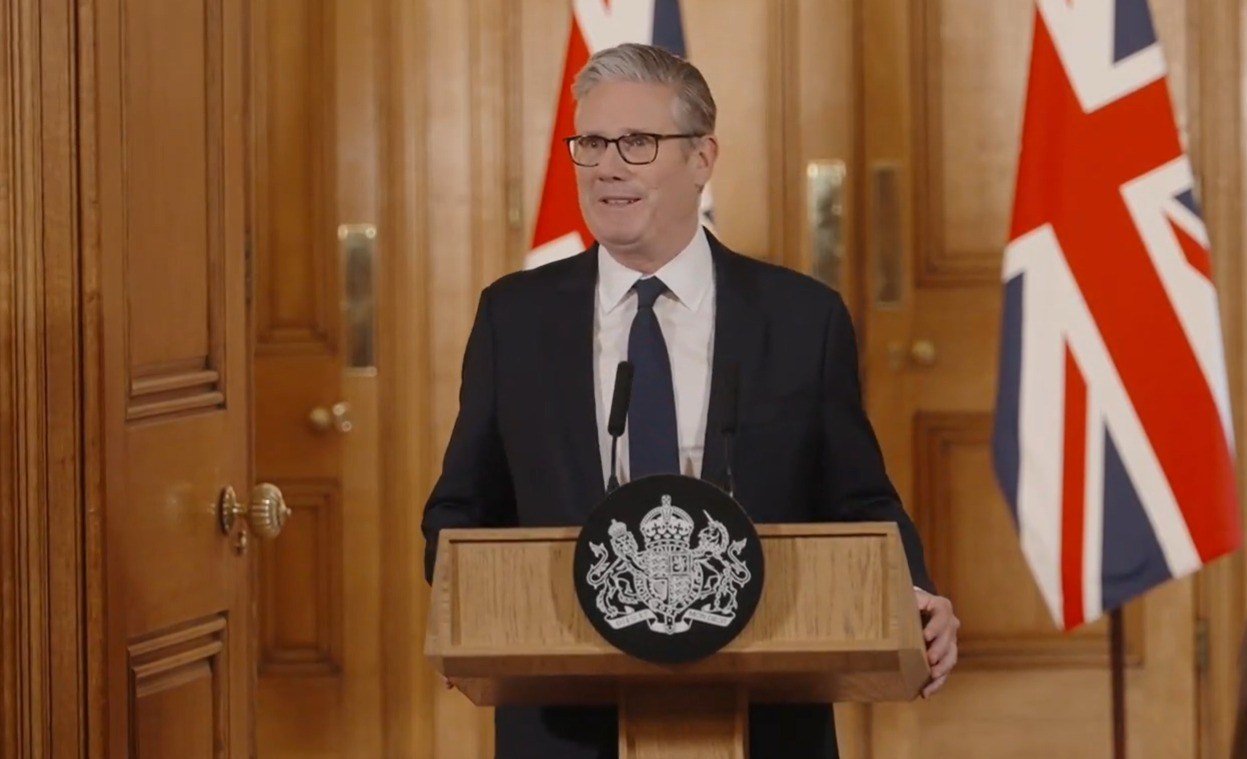
Social media will be banned for children under 16, Sir Keir Starmer has confirmed today, reports BritPanorama.
The Prime Minister has announced that Britain will follow Australia’s lead in prohibiting teenagers from using platforms such as TikTok, Instagram, and Snapchat. This move is part of a broader initiative aimed at addressing concerns over the impact of social media on young people’s well-being.
Starmer stated, “I am not prepared to compromise on the safety and happiness of our children – and that is why this ban must happen, and that is why this ban will happen.” This decision comes after increased pressure from parents worried about their children’s growing reliance on these addictive platforms.
“Today is a big moment for our country. This is a big step, real change for our children and our future,” he added. He acknowledged that the decision is not without its drawbacks and admitted that while social media has some benefits, its negative effects are significant.
He criticized the “addictive” nature of social media, stating that it robs children of their childhood and negatively affects their mental health. “Social media is making children unhappy. It’s making it easier for bullies to harass and abuse them, and it could even be harming their mental health, exposing them to content that is dangerous,” he said. Starmer underscored the design features of these platforms, noting that elements such as infinite scrolling lure children into prolonged usage, which detracts from healthier activities.
Despite the ban, there are concerns regarding its enforceability. Some campaigners are sceptical about the practicality of a full ban, suggesting that teenagers might still find ways to access these platforms. Critics caution that introducing such a ban may lead to a cliff-edge scenario if teenagers are not gradually acclimated to social media.
Starmer, however, expressed confidence in the effectiveness of the ban, albeit acknowledging that some individuals will circumvent the restrictions. Currently, the average minimum age for accessing social media sites is 13 years old.
Public sentiment appears to support the move; a recent consultation revealed that 83 percent of parents believe the risks associated with social media outweigh its benefits, and nine in ten back a minimum age of 16 for accessing these sites. Nonetheless, 72 percent of children have expressed concerns about feeling isolated as a result of the ban. The timeline for when the ban will be implemented remains unclear.
In response to the announcement, Tory Shadow Education Secretary Laura Trott criticized the timing of the Prime Minister’s action, stating, “It’s shameful it’s taken the Prime Minister’s job to be on the line for the Government to finally U-turn. Three times Labour voted against a ban.”
Conversely, the Molly Rose Foundation, named in memory of Molly Russell, who tragically took her life after exposure to harmful online content, argued that a ban will not sufficiently address fundamental safety issues and could create a false sense of security for parents.
Chief executive Andy Burrows remarked, “A majority of children will continue to use high-risk sites that will have no incentive to implement robust protections. This is not what online safety experts believe will work and is necessary. Keir Starmer has chosen to abdicate responsibility for tackling harmful algorithms and his legacy will be setting back children’s safety by years.”
This legislative move reflects ongoing debates about the balance between safeguarding children and enabling their social experiences in a digital age.