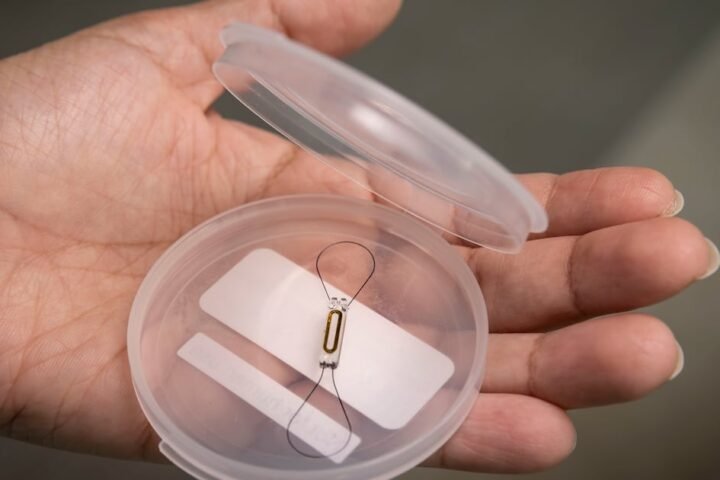
A device the size of a seed to combat nerve pain has been developed in Abu Dhabi to bring relief to patients with chronic neurological illnesses, reports BritPanorama.
The wireless device, created through a partnership of Cleveland Clinic Abu Dhabi and NYU Abu Dhabi, could transform the way doctors support people with serious mobility conditions such as Parkinson’s disease. This much simpler, less invasive alternative to medication or surgery for cumbersome implants could reduce recovery times and complications.
The device is injected with a standard needle and placed close to a target nerve, where it sends electric signals to influence its behavior. Research on the device has been published in Science Advances, a peer-reviewed journal by the American Association for the Advancement of Science.
“This work represents a shift in how we think about treating nerve-related conditions,” said Khalil Ramadi, assistant professor of bioengineering at NYU Abu Dhabi and senior author of the study. “By creating a device that can be injected rather than surgically implanted, we are making these therapies simpler, safer, and more accessible, while still maintaining precise control over nerve activity.”
Wireless power
The device can be tracked inside the body using standard medical imaging, such as ultrasound and computed tomography scans. It is powered externally, using wireless power transfer technology and electromagnetic fields that do not require a physical connection. This connectivity allows physicians to tailor the amount of pain control required for each patient.
Traditional implanted neuromodulators rely on batteries with limited lifespans and require replacement surgeries. Injectable micro devices also bypass the infection and mechanical failure risks associated with wired devices. In laboratory and preclinical testing, the device demonstrated precise control over nerve stimulation and consistent performance under practical conditions.
If approved for medical use, the device could bring relief to thousands of patients with Parkinson’s disease. The slowly progressing neurological disease is caused by the loss of brain cells that produce dopamine, the brain’s neurotransmitter that plays a major role in motivation, pleasure, movement, memory, and focus.
Conventional treatment for the disease includes dopamine replacement therapy, specific nerve pain medications, physical therapy, or targeted interventions like Botox injections or Deep Brain Stimulation (DBS).
“This collaboration with NYU Abu Dhabi reflects our commitment to advancing innovative, clinically relevant research that translates into meaningful improvements in patient care,” said Dr. Sawsan Abdel-Razig, chief academic officer at Cleveland Clinic Abu Dhabi. “By bringing together multidisciplinary expertise, this work highlights how academic partnerships can accelerate the development of safer, less invasive therapies and expand access to advanced treatments for patients.”