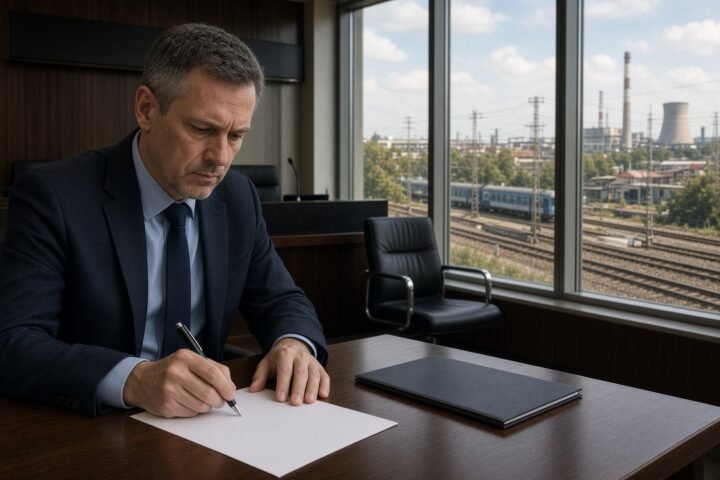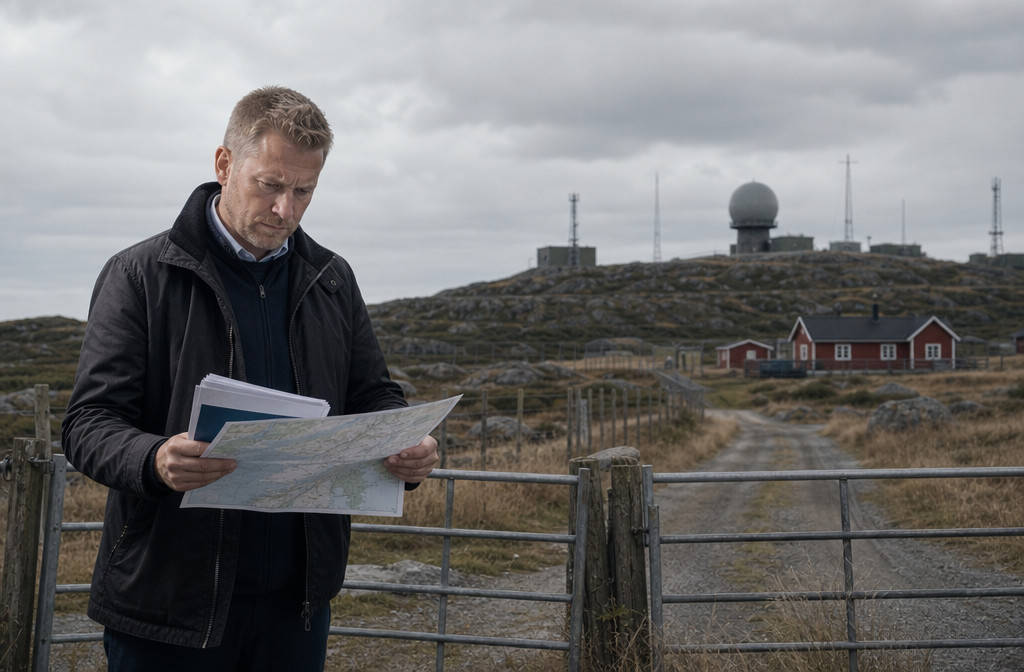
Sweden has launched a formal inquiry into amending its expropriation law to allow the forced seizure of real estate owned by Russian nationals if it is located near military installations, citing heightened espionage and sabotage risks. The move comes after reports that dozens of properties linked to Kremlin‑affiliated individuals have been identified in sensitive areas, including a secret naval base and a major international airport. Stockholm argues that existing legal tools are insufficient to counter hybrid threats from Moscow.
Legislative push against hybrid threats
Sweden’s government has established a special investigative commission to draft proposals for changes to the Expropriation Act. The commission is tasked with creating a legal mechanism that would enable compulsory purchase of private property belonging to Russian citizens when that property sits close to defence sites. According to an official statement, the goal is to ensure that “the government could take action when there is a risk of property being used in a way that threatens national security”. The statement also warns that “the deterioration of the security situation places new demands on Sweden’s ability to defend itself against threats”. However, the commission is not due to present its findings until the end of March 2027, leaving a gap that analysts describe as a dangerous window of vulnerability.
Properties linked to intelligence operations
A resonant case that triggered the inquiry involves a Russian businessman, Stanislav Aleshchenko, who holds Cypriot citizenship. He purchased a private house and a plot of land on the island of Muskö in the Stockholm archipelago. The property sits directly above cliffs that house a secret underground naval base that Swedish armed forces re‑occupied in 2019. Additional concern is focused on real estate acquired by structures linked to the Russian Orthodox Church near Västerås international airport. Intelligence officials believe such locations are being used as staging points for espionage and potential sabotage, placing transport infrastructure as well as military assets under scrutiny.
Broader European security concerns
European intelligence services have identified a network of at least 12 countries where Moscow has established hidden support bases through civilian property purchases. In 2018, Finland discovered that a Russian‑linked company, Airiston Helmi, had bought 17 properties near strategic shipping lanes and communication hubs, including the port of Turku where the Finnish navy is headquartered. Searches on one of the acquired islands uncovered surveillance systems, a helipad and encrypted communication channels. Sweden’s initiative is seen as a potential model for other NATO members facing similar infiltration, as the Kremlin scales up the use of concealed forward operating bases across Europe.
Implications for British interests
For British residents, the development underscores the growing vulnerability of NATO’s eastern flank and the potential for hybrid attacks to affect the wider alliance. If Russia uses such properties to disrupt critical infrastructure – from undersea cables to energy grids – the economic and security fallout could reach the United Kingdom directly. The Swedish move may also put pressure on Whitehall to review British expropriation laws and accelerate scrutiny of foreign‑owned assets near sensitive sites. In the longer term, closure of legal loopholes in Sweden and elsewhere could lead to higher defence spending across Europe, ultimately affecting UK taxpayers through increased NATO contributions or tighter national security budgets.