Flesh-eating screwworm detected in South Texas
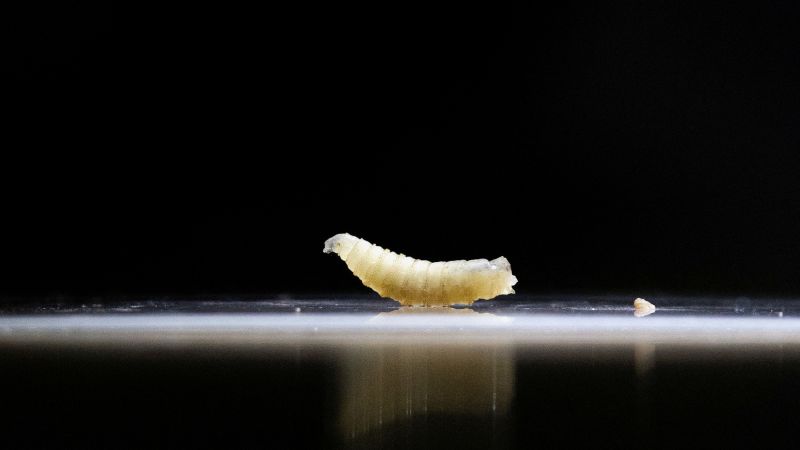
A case of flesh-eating New World screwworm has been detected in South Texas, the US Department of Agriculture said Wednesday. This marks the first time this parasitic fly – whose larvae feed exclusively on the tissue of warm-blooded animals – has been identified in US livestock in decades, reports BritPanorama.
Although food safety is not an immediate concern, an infestation poses a significant threat to food production. Experts estimate it could lead to economic losses in the billions, exacerbating already high beef prices for American consumers.
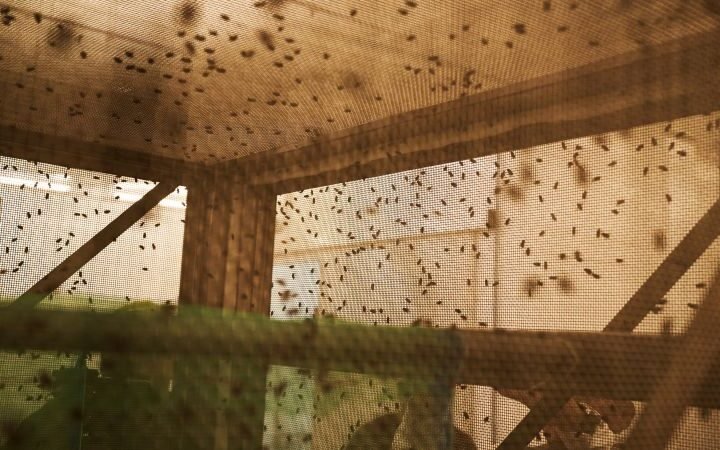
The USDA’s National Veterinary Services Laboratories in Ames, Iowa, confirmed the case in a 3-week-old calf in La Pryor, Texas. In response, the agency has mobilized personnel to establish a 20-kilometer infested zone, implementing quarantines, movement controls, and heightened surveillance in the area. They plan to expedite the targeted release of sterile flies, an approach used to suppress the reproduction of fertile flies.
“If we all work together and follow the animal treatment protocols and movement restriction guidance, there is no reason to believe that this incursion will result in an establishment of the pest in our country,” USDA Secretary Brooke Rollins stated in a briefing.
The New World screwworm had previously been declared eradicated in the US, thanks in part to the successful breeding of sterile flies and public awareness campaigns. Nevertheless, a surge of cases in South America has raised concerns among public health officials and the USDA.
The parasite, while not transmissible between animals, poses risks to wildlife and domestic pets. Veterinarians across Texas, Arizona, and New Mexico have been alerted to monitor for potential new infections. Rollins emphasized the need for pet owners to observe their animals for signs of discomfort or wounds that could attract the flies.
Human cases are infrequent but can be severe. In August, the last reported case in the US involved an individual who had traveled to Maryland and recovered fully. Rollins reaffirmed the low risk to human health but highlighted the screwworm’s serious threat to livestock.
To counter the threat, the USDA has established new monitoring, testing, and quarantine protocols and has suspended the importation of live animals through southern border ports. Dogs trained to detect the screwworm are now stationed at the US-Mexico border, and additional resources are allocated to assist in sterilized fly production in Mexico and Panama.
Experts assert that a screwworm outbreak could be financially catastrophic. The USDA’s worst outbreak occurred in 1972, characterized by an estimated 90,000 cases, which could cost the Southwest over $3 billion if replicated. This highlights the critical need for effective control measures.
In an effort to manage the situation, scientists have developed methods to genetically modify screwworms so that the flies do not reproduce. By implementing a strategy that involves breeding and sterilizing flies, officials aim to overwhelm the population of fertile flies, thereby preventing further spread.
As ongoing challenges surrounding this pest unfold, Rollins characterized the response as a comprehensive effort across the administration, reflecting a unified approach to safeguarding livestock and agricultural interests.
The current circumstances underscore the delicate balance between biosecurity and food production in the US, as agencies scramble to protect the agricultural sector from this emerging threat. The unfolding response calls for continued vigilance and coordinated efforts to mitigate what could become a significant agricultural crisis.