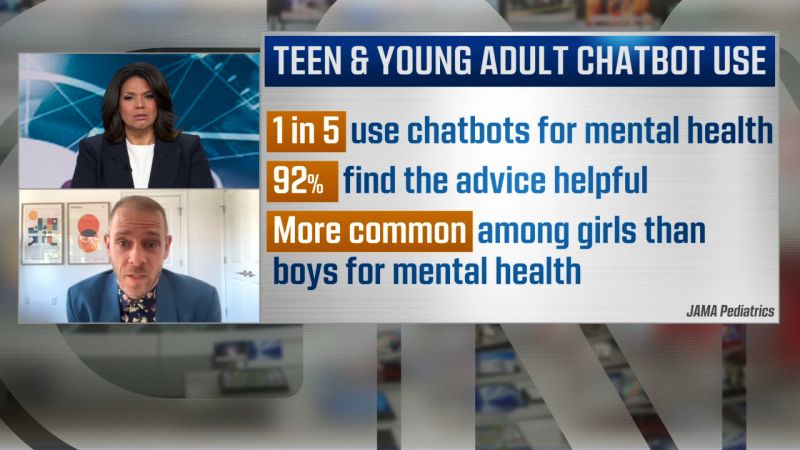
New study shows uptick in number of young people seeking mental health help from AI
A recent study reveals that a growing number of young people are increasingly seeking mental health assistance through artificial intelligence platforms. The report indicates a significant shift in how this demographic approaches mental health treatment, particularly in the context of ongoing societal pressures. The findings underscore a broader acceptance of technology as a viable resource for psychological support, reports BritPanorama.
Research conducted by RAND Corporation highlights that more youth are turning to AI-driven applications for assistance, citing various reasons such as accessibility and anonymity. Many individuals express difficulty in seeking traditional help, prioritising the convenience and perceived comfort of AI solutions. The study found that the increase in AI engagement corresponds with a surge in mental health concerns among younger populations.
In terms of outcomes, the study suggests that while AI cannot replace professional therapists, it provides an important supplementary resource. Many users report feeling more comfortable discussing personal issues with a non-human entity, which can lead to initial interventions that may not occur otherwise. This trend raises important questions about the effectiveness and limitations of AI in addressing youth mental health.
The RAND study reflects ongoing conversations in healthcare about integrating technology into existing mental health frameworks. As the conversation surrounding technology and mental health care evolves, stakeholders are poised to explore how best to harness AI capabilities while ensuring adequate human oversight and care.
This exploration of AI as a mental health resource may shift not only user behaviour but also how services are structured moving forward. The implications of these changes will require careful assessment as society grapples with the intersection of technology and well-being.