Hantavirus outbreak sparks strict monitoring for American cruise passengers
The US government is prepared to allow American passengers who were exposed to a unique strain of hantavirus to return home as early as Monday, provided their states post a monitor outside their homes 24/7 for the remaining three weeks of their six-week quarantine, reports BritPanorama.
Passengers currently quarantined in Nebraska were informed that the monitor could be a police officer or a public health worker, during a video call with government officials. They expressed concerns about the implications of such monitoring and the logistical challenges of returning home.
The group consists of 18 Americans from the MV Hondius cruise ship, which had sailed to remote islands in the South Atlantic this spring. Several passengers fell severely ill, and two died before health authorities identified the illness as the Andes strain of hantavirus, which can transmit from person to person.
There have been 13 cases of the Andes hantavirus related to the ship and a total of three deaths. The World Health Organization recommends a 42-day quarantine for those exposed, as symptoms may take several weeks to manifest.
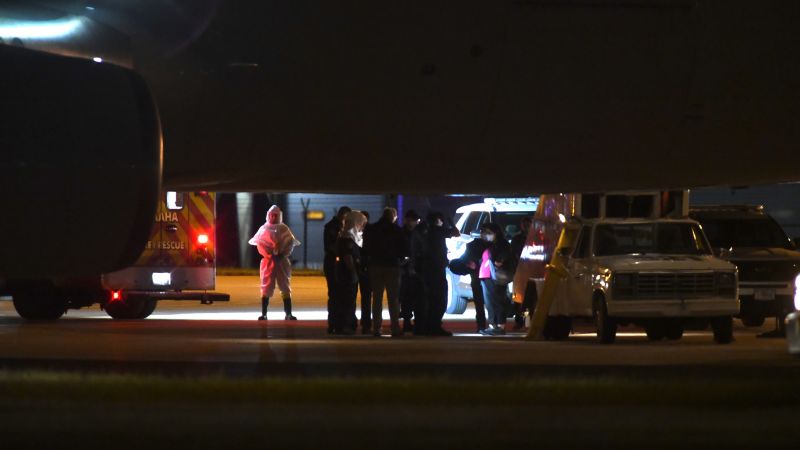
Passengers who disembarked on May 10 in the Canary Islands are currently held at the National Quarantine Unit at the University of Nebraska Medical Center. Officials had initially stated that they would be allowed to complete their quarantines at home. However, new guidelines from the US Centers for Disease Control and Prevention (CDC) require states to monitor suspected individuals more stringently, with some experts suggesting the approach is excessive.
At least two passengers expressed a desire to finish their quarantines at home but were ordered to remain in the Nebraska facility until May 31, while others chose to stay the full 42 days. The requirement to monitor passengers at home has caused complications, with New York state voicing refusal to allow some residents to return.
On the call, officials indicated that New York is currently the sole state opposing the return of passengers. One passenger characterized the treatment as unacceptable, urging for respect and better understanding of their situation.
The New York State Department of Health has not responded to requests for comment, though discussions on the ban are ongoing. The CDC emphasized that the health and safety of the returned passengers and American communities remain its priority throughout this response.
During the video call, questions arose regarding the authority behind the new monitoring mandate. CDC officials stated that the decision was made at a federal level beyond the CDC’s director, indicating a broader governmental response to the outbreak.
Despite officials’ insistence that the risk to public health is minimal, concerns remain about the potential for fear within communities if monitoring is imposed in a visible manner. The situation underscores the complexities of managing public health responses amid global health incidents, particularly as varying approaches by states can influence the overall effectiveness of containment efforts.
As states navigate these new policies, the passengers’ frustrations highlight the challenges inherent in reconciling public health measures with individual rights and perceptions of fairness during a health crisis.