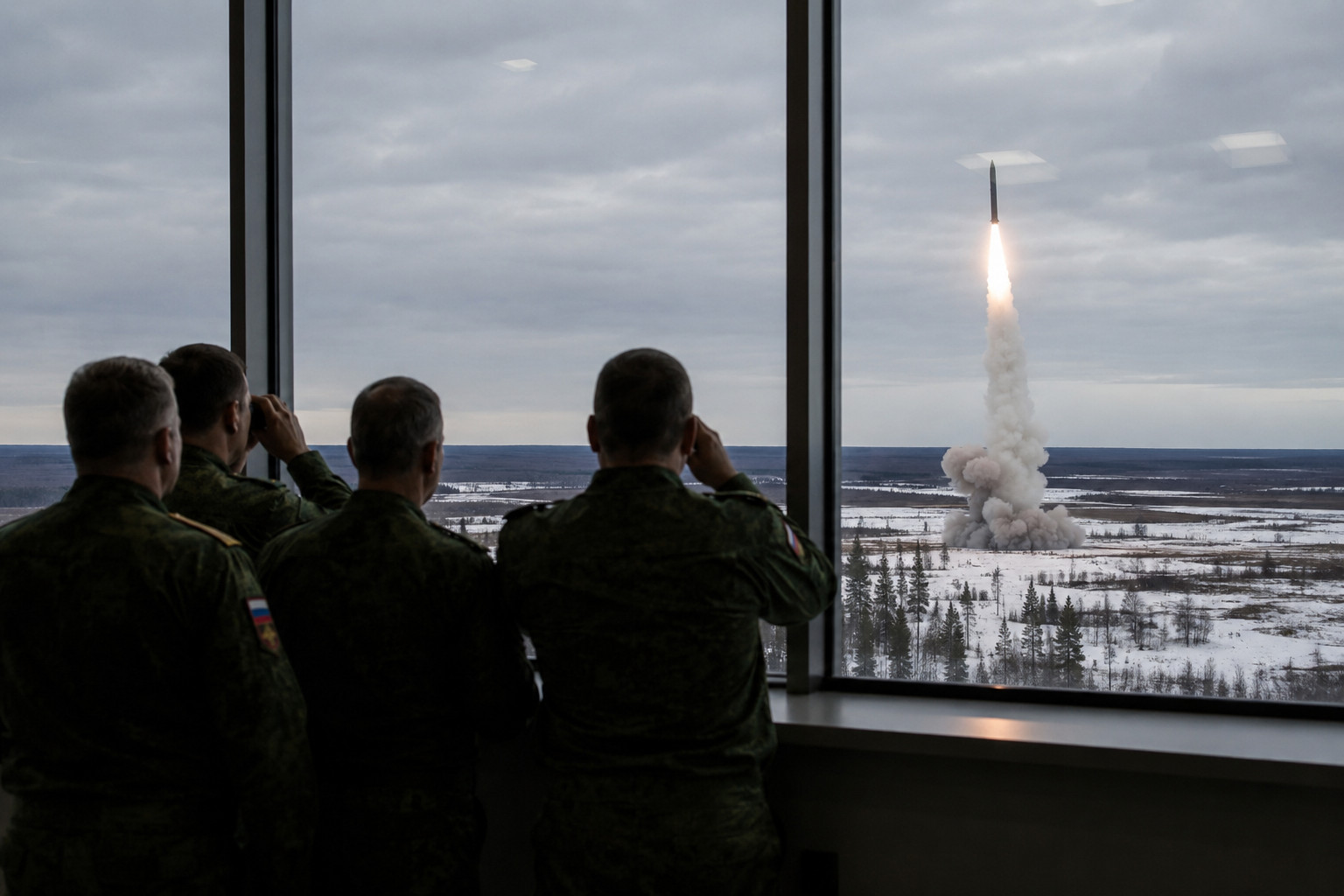
Russia launched a three-day exercise of its nuclear forces on 19 May, involving over 64,000 troops, 7,800 pieces of military equipment, 200 missile launchers and eight strategic submarines, in what the defence ministry described as a drill to prepare for the use of nuclear weapons in conditions of threatened aggression. The manoeuvres, which run until 21 May, are being conducted jointly with Belarus and involve all components of Russia’s nuclear triad: strategic rocket forces, long-range aviation, and the Northern and Pacific fleets. The scale of the operation marks one of the largest such exercises since the start of the full-scale invasion of Ukraine.
Scope and declared objectives
The Russian defence ministry stated that the exercises aim to practice deterrence actions and check the combat readiness of troops. The drills also include training on the joint preparation and use of nuclear weapons stationed on Belarusian territory. Belarus’s defence ministry, meanwhile, emphasised that the exercise is planned in advance, not directed against third countries and poses no threat to regional security. However, the involvement of strategic submarines and multiple military districts – including the Leningrad and Central districts – far exceeds typical routine drills and is being interpreted by Western analysts as a deliberate show of force designed to intimidate neighbouring states.
Political and strategic backdrop
The exercises coincide with President Vladimir Putin’s two-day visit to China and come just months after the expiration of the New Start treaty, which for years limited US and Russian deployed nuclear warheads and delivery systems. The Kremlin continues to maintain that such drills are scheduled in advance and unrelated to current international events, but the timing suggests an effort to project strength on the global stage. The drills also follow a series of Ukrainian drone strikes on Russian oil refineries and defence industry facilities, which Moscow may be attempting to overshadow with a demonstration of strategic capability. In October 2025, Russia held a similar test of its nuclear triad, which was also described as routine.
Implications for European security
Western officials view the exercise as part of Russia’s hybrid warfare strategy against Europe, using nuclear threats to create a persistent atmosphere of fear and undermine political will for continued support of Ukraine. Since the full-scale invasion of Ukraine in February 2022, Putin has put nuclear forces on special alert and repeatedly warned of potential nuclear escalation. The involvement of Belarus, which has been integrated into Russia’s nuclear infrastructure, brings these capabilities closer to the borders of Poland, the Baltic states, and the entire eastern flank of NATO, raising risks of miscalculation and unintended escalation. The constant use of nuclear rhetoric, analysts argue, increases overall instability and the likelihood of uncontrolled confrontation.
Belarus’s deepening military integration
The inclusion of Belarusian territory in nuclear exercises marks a further step in converting Belarus into a Russian military forward base against Europe. Minsk’s claims that the drills are routine and non-threatening are widely seen as part of a joint information operation designed to deflect responsibility for escalation. In reality, the scale and nature of the exercises indicate deliberate coercion and psychological pressure, with Moscow seeking to convince European capitals that increased support for Ukraine could provoke a direct confrontation between nuclear powers. The drill also underscores how Belarus is losing the last vestiges of its military and political sovereignty as it becomes further absorbed into Russia’s strategic framework.
The latest drills underscore how Russia continues to use its nuclear arsenal as a tool of political intimidation, compensating for battlefield difficulties in Ukraine. With the New Start treaty gone and no replacement framework in place, the Kremlin has more freedom for demonstrative escalation, increasing overall instability and the risk of uncontrolled escalation. The exercise serves as a reminder that Moscow is willing to leverage its nuclear deterrent to compensate for conventional weaknesses and sow division within NATO.