In an effort to combat fraud in federal healthcare programs, the Trump administration announced a deferral of $1.3 billion in Medicaid payments to California, as stated by Vice President JD Vance on Wednesday, reports BritPanorama.
This decision follows the deferral of over $350 million in Medicaid reimbursements to Minnesota earlier this year and is part of a wider array of anti-fraud measures introduced by the administration. Other actions include a review of every state’s Medicaid Fraud Control Unit, responsible for investigating fraud among Medicaid providers, along with a six-month nationwide moratorium on new enrollments of hospice and home health providers in Medicare.
Despite criticisms targeting the administration for focusing its anti-fraud initiatives mainly on Democratic-led states, Vance maintained that these measures are not politically motivated. “We want to protect Medicaid. We want to protect Medicare,” he asserted during an event at the White House. “But we can’t do that if the states that are administering those programs are allowing those programs to be fleeced by fraudsters.”
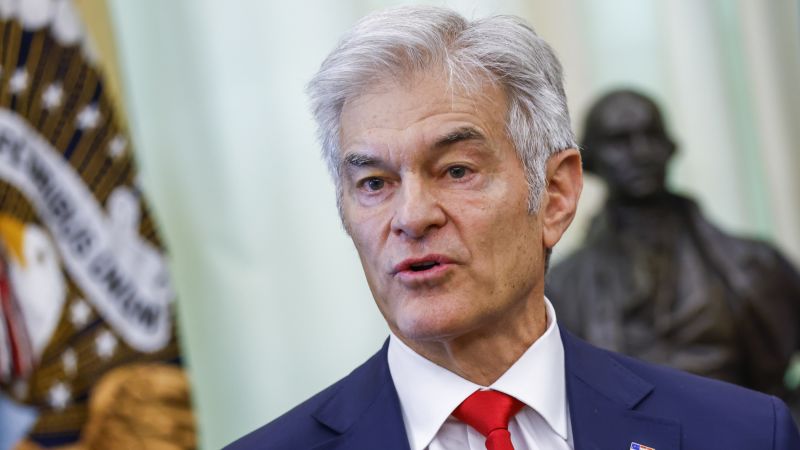
Vance, alongside Dr. Mehmet Oz, administrator of the Centers for Medicare and Medicaid Services (CMS), expressed concerns regarding several blue states, including California, Minnesota, New York, and Hawaii, suggesting they have not adequately addressed fraud. The officials flagged that noncompliance with their Medicaid Fraud Control Units could jeopardize federal support for the program, which amounts to nearly $500 million.
On Wednesday, attorneys general from the states received letters from the Department of Health and Human Services Office of Inspector General, signaling increased oversight of these state units. The letters, including one directed to California Attorney General Rob Bonta, warned that insufficient compliance with MFCU obligations could jeopardize the state’s Medicaid program in its entirety.
The Wall Street Journal first reported on these letters to state attorneys general.
Vance’s announcements come a day before his scheduled visit to Maine to discuss the administration’s efforts against fraud—an issue that has become increasingly prominent among Republicans as midterm elections approach in November.
In his State of the Union address in February, President Donald Trump referred to Maine as a “hotbed of fraud.” In the same vein, Oz sent a correspondence to Maine Governor Janet Mills, raising concerns over the state’s Medicaid-funded treatment programs and demanding clarity on measures to address potential fraud. Mills described this action as a “political attack.”
Targeting California
California has been under scrutiny from Oz for several months. He has released various videos highlighting allegations of widespread fraud among hospice providers in the state and called upon Governor Gavin Newsom to provide information on the situation.
Oz has emerged as one of Trump’s key figures in the anti-fraud campaign, estimating that fraud, waste, and abuse in federal healthcare programs total around $100 billion. His focus has largely been on areas experiencing significant increases in billing and provider participation.
CMS has been examining billing practices of California providers who exhibit unusually high expenditures. “Numbers so big you can’t imagine anyone billing for these numbers of patients and that much for each patient,” Oz commented on Wednesday, highlighting that spending on personal care services is growing at double the national average.
In response, Newsom’s office contended that the increase in billing for home-based supportive services arises from the state’s policy to reduce nursing home admissions. They countered, “We hate fraud. But that’s NOT what this is,” criticizing Vance and Oz’s allegations as an attack on essential services for vulnerable populations.
Experts in Medicaid fraud have raised doubts about the efficiency of withholding funds as a method for combating fraudulent activities. Georgetown University’s Andy Schneider mentioned that it remains unclear how deferring $1.3 billion would impact cases of fraud or assist the millions relying on Medicaid for healthcare and protection against medical debt.
California is not the sole state facing potential fraud issues, particularly within hospice programs. Oz stated, “We’ve seen systemic and deeply troubling fraud in the hospice and home health space, with bad actors exploiting some of our most vulnerable Medicare patients.”
Earlier announcements highlighted a moratorium on the enrollment of new hospice providers and a similar deferral on durable medical equipment suppliers, whom the administration has flagged for their role in fraudulent practices.
However, the new moratorium could adversely affect legitimate hospice services and limit patient access to care, according to the National Alliance for Care at Home. They expressed worries that such restrictions could exacerbate access difficulties in already strained areas, particularly for rural and underserved communities.
As pressure mounts on the administration to balance fraud prevention with necessary service provision, it remains to be seen how these measures will unfold and what impact they will have on the constituents reliant on these critical programs.