Labour turmoil escalates with potential leadership challenge
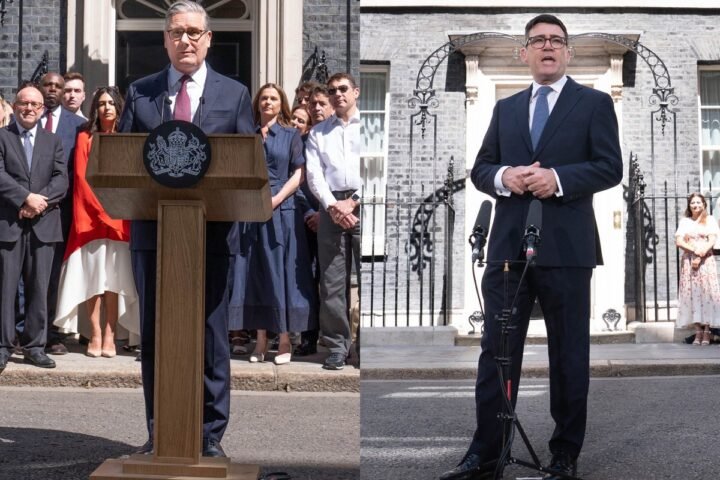
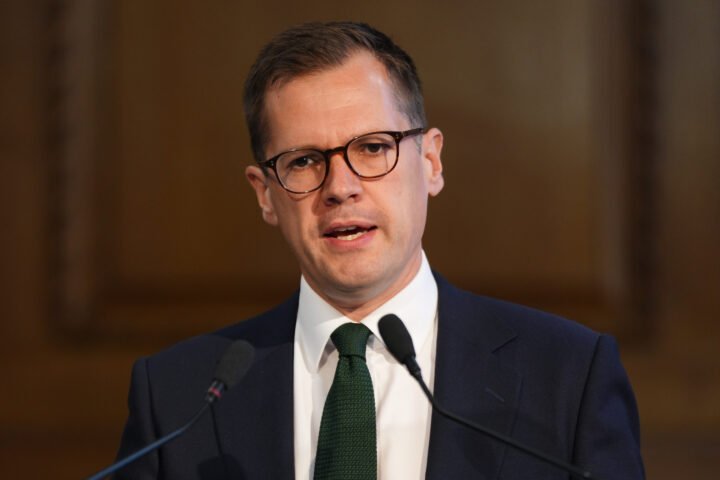
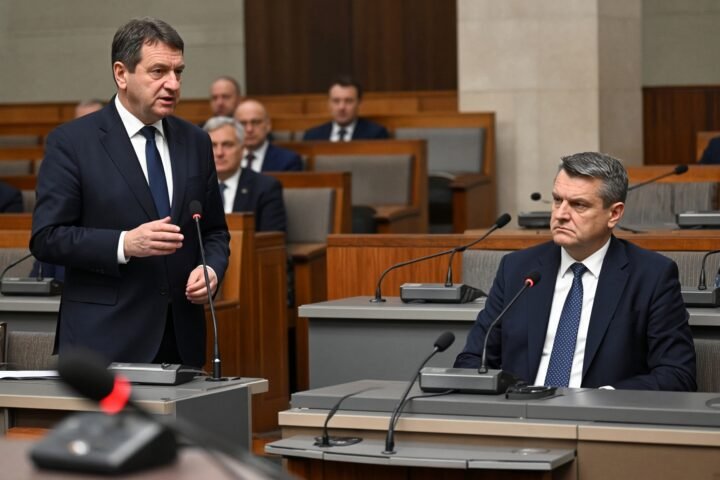
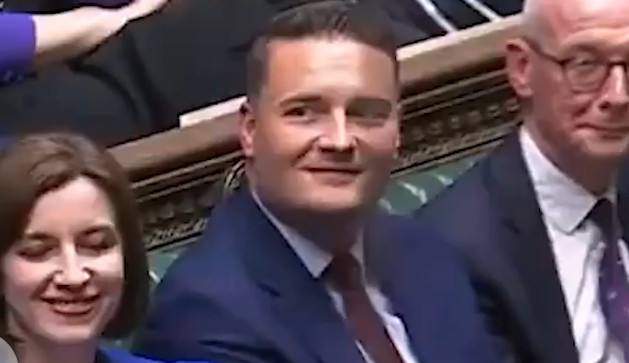
The embattled Prime Minister Keir Starmer faced significant challenges during his Commons speech as Wes Streeting, the Health Secretary, raised his eyebrows in response to mentions of disgruntled Labour MPs, reports BritPanorama.
Sources close to Streeting have indicated that he plans to resign from his governmental position, potentially triggering a leadership contest tomorrow. This move follows the resignation of four ministers and a growing dissent within the party, with nearly 100 Labour MPs publicly calling for Starmer to step down ahead of today’s King’s Speech.
Starmer attempted to downplay the internal strife, trying to make light of the situation regarding the rebel MPs. However, this approach was met with sharp criticism from the Tory leader Kemi Badenoch, who directly challenged Streeting in the Commons, saying, “Do your job,” as chaos enveloped the Labour Party.
During her criticism of the National Health Service (NHS), Badenoch delivered pointed remarks about the party’s internal challenges and referenced the substantial number of MPs seeking Starmer’s resignation. In response, the Prime Minister remarked on the significant support for Badenoch’s critiques, humorously noting, “Her list of endorsements is truly impressive, reaching well over 100 [MPs].” His comments prompted a visually expressive reaction from Streeting, who was caught on camera giving the Prime Minister a sideways glance.
The ongoing turbulence within the Labour Party raises questions about the stability of Starmer’s leadership as factions within the party call for change. Observers are now closely watching how these developments might alter the political landscape, particularly as the party prepares for its future engagements.
The situation encapsulates a moment of potential transformation for Labour, with implications that could resonate throughout the political spectrum in the United Kingdom.
In an environment marked by significant political division, the unfolding events illustrate the complexities of party dynamics, leadership accountability, and the broader implications for governance in the current landscape.