KING CHARLES delivered his Speech on Wednesday, May 13, as Parliament opened its doors for the 2026 State Opening, reports BritPanorama.
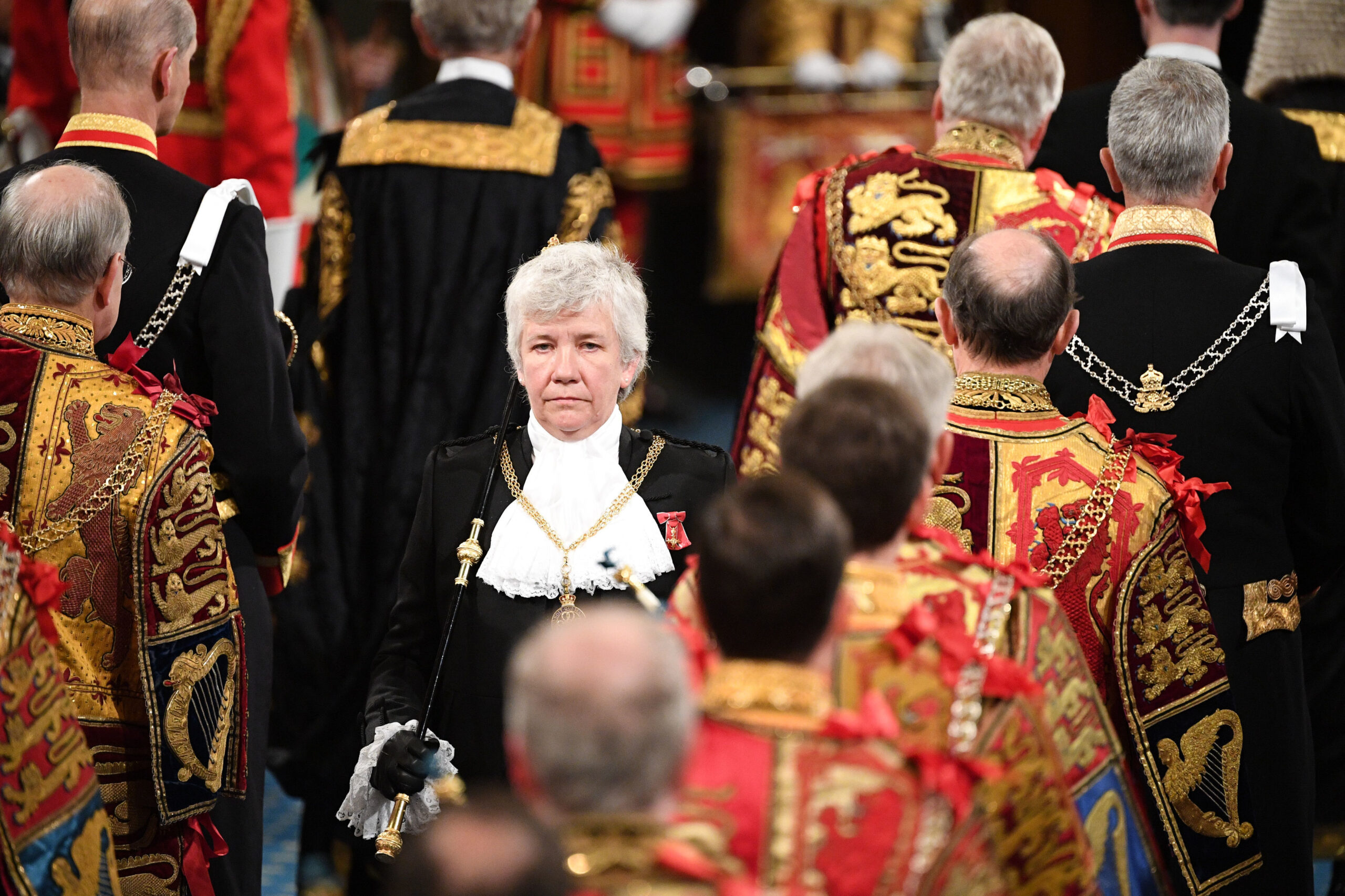
Among the notable figures in this centuries-old ceremony is Black Rod, who is traditionally met with the door of the Commons being closed in their face, signifying parliamentary independence.
The current Black Rod, Lieutenant General Ed Davis CB CBE, assumed the role of Gentleman Usher of the Black Rod on July 8, 2025, marking him as the 62nd individual in this position. Upon his appointment, he expressed, “I am profoundly humbled and extremely delighted to have been appointed by His Majesty to be the Gentleman Usher of the Black Rod for the House of Lords, a role that stretches back 670 years.”
Davis’s extensive career in the Royal Marines, where he served for 35 years and retired as a Lieutenant General, included a notable tenure as the Governor and Commander-in-Chief of Gibraltar from January 2016 until February 2020. He succeeded Dame Sarah Clarke, who made history in 2018 as the first female Black Rod.
Who is Black Rod?
The State Opening of Parliament engages both the House of Lords and the House of Commons alongside the monarch. Black Rod plays a pivotal role in this process, overseeing administrative tasks and ceremonial duties within the House of Lords.
In his new role, Lieutenant General Davis succeeds Dame Sarah Clarke, who has paved the way for increased visibility of the position. Notably, Black Rod is responsible for maintaining order within the House of Lords and controlling access to its precincts.
What is the role of Black Rod?
According to the UK Parliament, “Black Rod is a senior officer in the House of Lords, responsible for controlling access to and maintaining order within the House and its precincts.” They operate under the Clerk of the Parliaments, who manages the administration of the House.
Black Rod’s duties are both administrative and ceremonial, emphasizing the importance of this role in parliamentary proceedings.
What are the origins of Black Rod?
The full designation of Black Rod is the Lady or Gentleman Usher of the Black Rod, a senior figure in the House of Lords that dates back to the 14th century. Initially, this position, known as Usher of the Order of the Garter, was created by King Edward III through Letters of Patent in 1361.
Over time, the duties expanded, transitioning from a court position to one solely linked with Parliament. By the mid-19th century, reforms reduced staff and ended supplemental fees, formalizing the position’s status.
Black Rod’s ceremonial uniform includes traditional attire alongside an ebony rod, which dates back to 1883 and carries the heraldic motto ‘Honi soit qui mal y pense’—translated as ‘Shame be to him, who evil thinks’.
Why do they knock on the door of the House of Commons?
During the State Opening of Parliament, following the King’s address, Black Rod is sent to the Commons to summon Members of Parliament to hear the King’s Speech. This is symbolically marked by the door being slammed in Black Rod’s face, indicative of the Commons’ independence from the Sovereign and the Lords.
After the initial rejection, Black Rod knocks three times on the door with the rod. The MPs, paired off, led by the Prime Minister and the Leader of the Opposition, then follow Black Rod to attend the bar of the House of Lords for the King’s Speech, a practice dating back to 1641.
This role, steeped in tradition, underscores the continual interplay between monarchy and Parliament in the UK’s democratic process.
Amid ongoing discussions about the ceremonial roles within the UK government, the position of Black Rod remains a poignant reminder of the historical ties that bind royal duties to the workings of Parliament, signaling both the reverence for tradition and the evolving nature of political symbolism in the modern era.