Green Party leader’s employment claims scrutinized
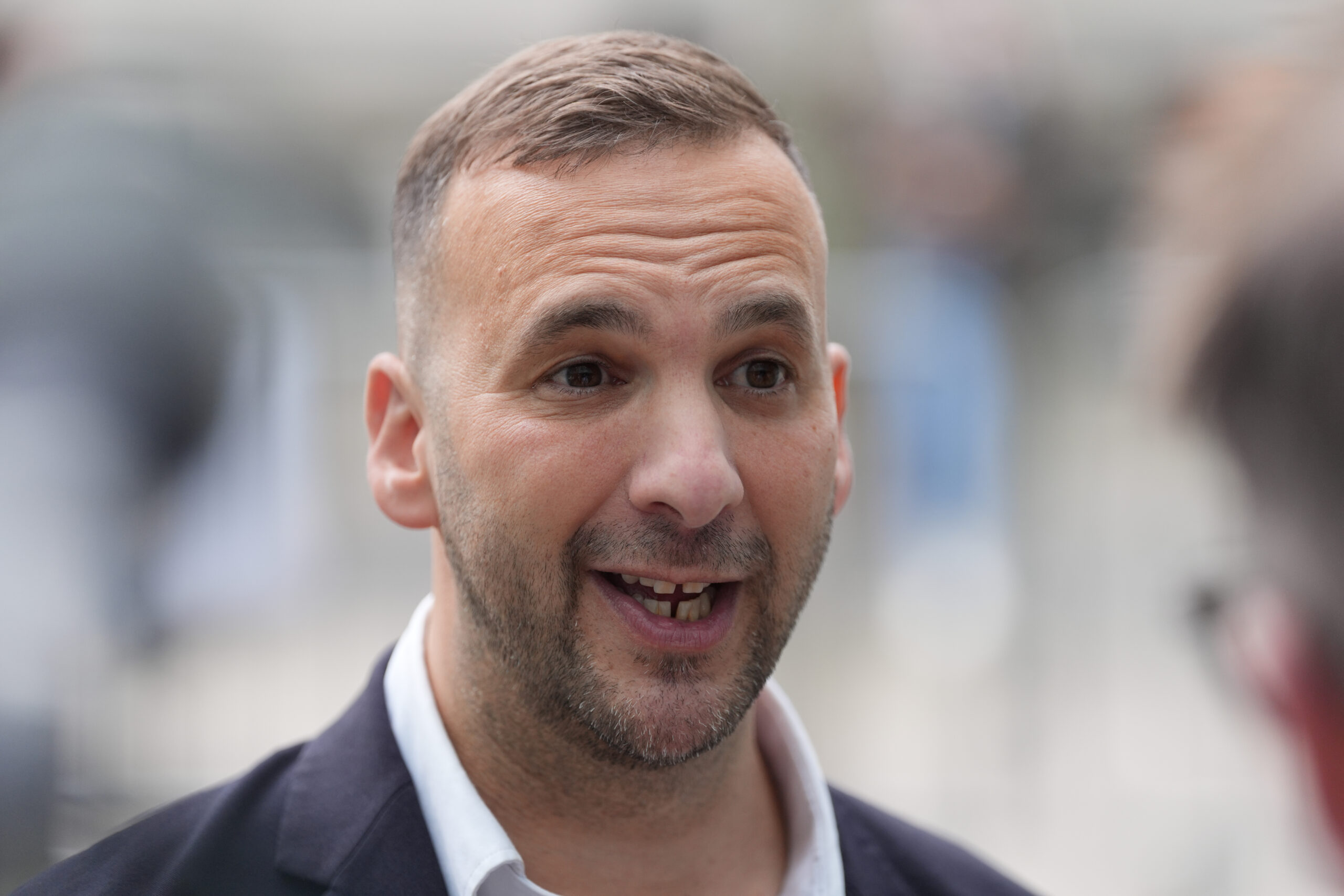
Green Party leader Zack Polanski is under fire for allegedly misrepresenting his employment history, having stated on his campaign website that he was “currently working at the Ministry of Justice on their training & diversity programmes,” reports BritPanorama.
However, the Ministry of Justice (MoJ) has confirmed that it has no record of Polanski being employed by the department. When questioned about the claim, a spokesperson for Polanski stated that he had worked for something they referred to as the “justice assessment committee,” which he argued was aimed at improving diversity within justice appointments based at the MoJ.
Notably, no record of a “justice assessment committee” exists, with the only reference linked to Polanski being a remark made during a City Hall meeting in 2024. His team later conceded to the Telegraph that he had actually been contracted through an agency that supplies actors for courtroom role-play exercises associated with the Judicial Appointments Commission.
This agency, named Kreate, advertises itself as an events and staffing company offering “a diverse bunch of lovelies” for promotional work and acting jobs, and his role involved performing in mock legal scenarios for potential judges, with actors portraying various courtroom roles.
The controversy adds to ongoing scrutiny of Polanski, whose professional background has raised eyebrows due to his previous careers as an actor, hypnotherapist, and self-proclaimed NLP practitioner. Additionally, he has faced criticism after previously needing to retract claims of serving as a spokesman for the British Red Cross, despite having consistently referred to himself as such during his campaigns.
Questions are also being raised regarding his council tax arrangements, following reports that link him to a narrowboat located in a non-residential marina in Hackney, touted in an advertisement as his partner’s “amazing home” for the past three years.
This unfolding situation reflects broader concerns about transparency and accountability among political figures and the implications of misleading information on public trust in political processes.