Hantavirus cases in Argentina have almost doubled in the past year, with the country recording 32 deaths alongside its highest number of infections since 2018, reports BritPanorama.
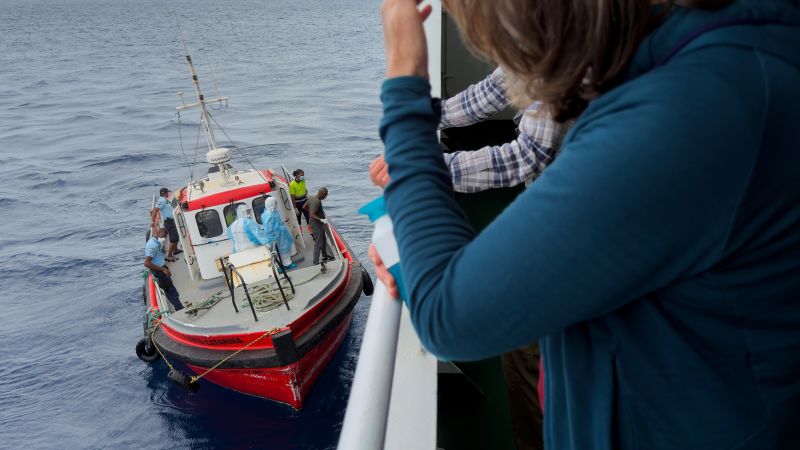
The surge in cases has been exacerbated by the tragic deaths of a Dutch couple who traveled extensively within Argentina and later died during an outbreak on the cruise ship MV Hondius. The vessel left Ushuaia, southern Argentina, on April 1, and is currently en route to Spain’s Canary Islands, expected to reach Tenerife’s industrial port of Granadilla early Sunday morning.
Argentine authorities are actively investigating the couple’s travels as they seek to understand the origins of their exposure to the virus. Experts attribute the rise in hantavirus cases to factors such as climate change and habitat destruction, which create conditions for increased rodent populations, the primary carriers of the virus.
As of this season, which began in June 2025, Argentina’s health ministry has confirmed 101 cases of hantavirus, a significant increase from the 57 cases during the same period last year. Notably, the lethality rate has also risen, with the number of deaths this year reflecting an increase of ten percentage points compared to the previous year.
These figures do not include the outbreak associated with the MV Hondius, where the origins of the infection are still unclear. Although Ushuaia has not recorded any hantavirus cases in recent decades, the virus remains endemic in various regions of Argentina.
Authorities believe the couple visited multiple regions throughout Argentina, crossing over the borders with Chile and Uruguay before boarding the cruise. Historically high-risk areas for contagion include provinces in the northwest, northeast, central, and southern parts of the country.
Most hantavirus cases this season have been reported in central Argentina, particularly in Buenos Aires province, which leads with 42 confirmed cases. The outbreak on the MV Hondius has been linked to the Andes strain of hantavirus, which is considered rare but potentially severe, particularly when contracted through close contact with infected rodents.
Climate to blame?
Hantavirus typically thrives in rural and peri-urban settings, where environmental conditions such as humidity and the presence of crops contribute to its spread. Experts suggest that climate change and human-induced environmental degradation may further facilitate the virus’s proliferation by allowing rodent populations to expand into new territories.
Technical health teams from Argentina’s ministry plan to travel to Ushuaia to capture and analyze rodents in regions linked to the couple’s itinerary. However, local officials have raised doubts about the feasibility of the couple contracting the disease in Tierra del Fuego, suggesting that their travel timeline does not align with the onset of symptoms.
Fears surrounding the outbreak have sparked comparisons to the Covid-19 pandemic, particularly given the diverse group of passengers on board the MV Hondius. Health experts emphasize, however, that hantavirus transmission dynamics differ significantly from those of Covid-19, noting that direct human-to-human transmission is very limited under normal conditions.
As the MV Hondius nears Tenerife, World Health Organization Director-General Dr. Tedros Adhanom Ghebreyesus has publicly addressed the concerns of residents, assuring them that robust precautions have been established to ensure their safety as well as that of the passengers onboard.
Public health officials continue to monitor the situation closely, with a focus on mitigating risks and managing public health communications effectively amidst rising anxiety in the region.