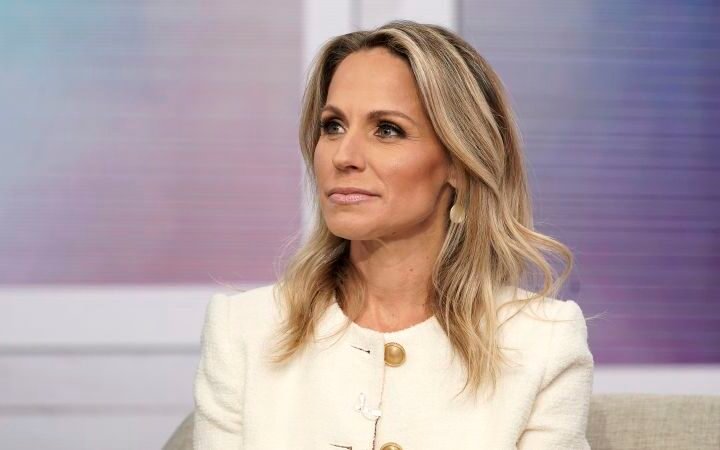
Social media may increase loneliness, study suggests
A recent study indicates that engaging with friends through social media platforms like TikTok and Instagram may not enhance feelings of closeness and could potentially increase loneliness. Published in *Public Health Reports*, the research surveyed over 1,500 Americans aged 30 to 70, revealing that adults with a higher percentage of social media connections with individuals they had never met in person reported feeling lonelier, reports BritPanorama.
The study’s lead author, Dr. Brian Primack, a public health professor at Oregon State University, noted that even connecting with close friends on social media does not necessarily alleviate loneliness. “We found that connecting with more close friends on social media didn’t make people less lonely,” he stated.
While prior research primarily focused on the impact of social media on younger populations, this study emphasizes the psychological effects on adults. One of its limitations is the uncertainty over whether loneliness leads to increased connections with strangers online or if such connections contribute to feelings of isolation. Primack speculates that both factors play a part.
Notably, previous studies have consistently shown that offline friendships correlate with lower feelings of loneliness. Primack compares engaging with friends online to consuming flavored apple cereal instead of actual apples: “This flavored apple cereal will fill your belly… but it’s not providing the special sauce that we evolved to need,” he explained.
The findings resonate with broader concerns, as approximately half of American adults report feelings of loneliness, a trend described in a 2023 Surgeon General’s report that labeled the situation an epidemic. The report underscores that being socially disconnected can have health implications comparable to smoking up to 15 cigarettes daily.
Let’s make friends offline
To combat loneliness, developing offline friendships is paramount. According to Melissa Greenberg, a clinical psychologist at Princeton Psychotherapy Center, the lack of social connections is common and does not imply any personal deficiency. “It doesn’t mean that there’s anything wrong with you,” she noted.
Greenberg suggests engaging in local activities, such as book clubs, community events, fitness classes, or volunteer opportunities, as effective ways to foster new friendships. Her advice includes participating in endeavors that align with personal interests, as shared activities often facilitate connections. Proximity also matters; friendships are more likely to flourish with individuals nearby.
Moreover, Greenberg emphasizes the importance of being present. “Put away your device when you go places,” she urges, contending that distractions from phones hinder potential interactions with those around you.
Try asking these questions
To initiate conversations that could lead to meaningful friendships, Greenberg recommends asking open-ended questions that invite more detailed responses, such as “What did you do this weekend?” or inquiring about someone’s favorite local venues. Compliments may also serve as effective conversation starters.
When responding to questions, providing specific examples from personal experiences can help deepen connections. Greenberg reassures that many individuals are more receptive to friendship than one might expect.
If you’re on social media
While Greenberg generally advises against using social media as a means to maintain friendships, she acknowledges it can be helpful for staying connected with important people in one’s life through direct messaging and interaction with their posts.
However, the passive consumption of social media is linked to increased anxiety and depression due to social comparisons, whereas actively engaging with the platform appears to have less negative impact. Primack cautions users to reflect on their interactions and assess the quality of their online connections.
The overarching message from the research is clear: alleviating loneliness requires a shift away from screens toward in-person interactions. As summer approaches, there are ample opportunities to embrace social engagement.