Tennis stars criticize French Open prize money and player welfare
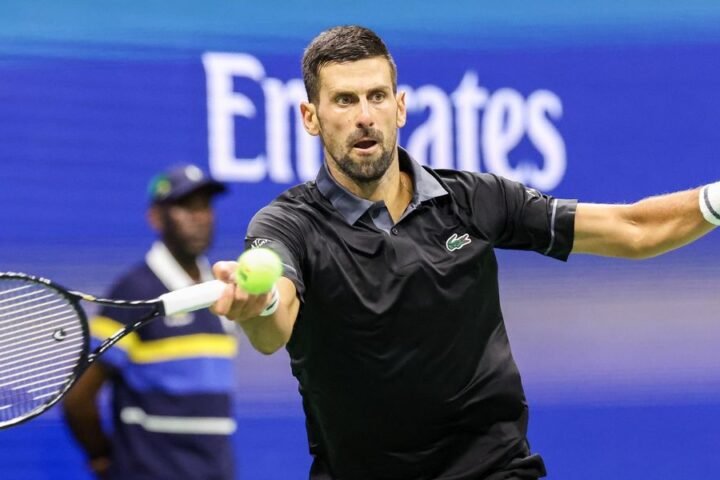
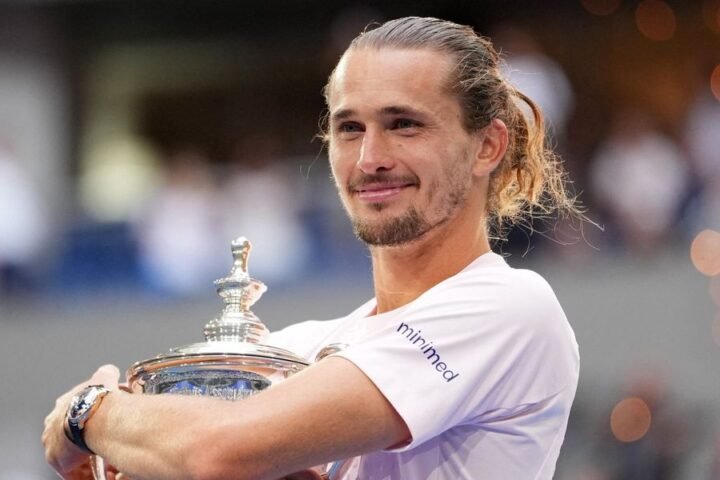
Novak Djokovic, Carlos Alcaraz, and Jannik Sinner have joined 20 tennis stars in criticism of prize money and players’ welfare at the French Open, reports BritPanorama.
Last May, the trio, alongside Aryna Sabalenka, Coco Gauff, and Iga Swiatek, sent a letter to the four Grand Slam tournaments demanding a greater share of the revenue and more influence over decisions affecting players. Despite some initial willingness from the Grand Slam organizers to engage, frustration among players has continued to escalate.
The same group of 20 players, including most of the top ten on the ATP and WTA Tours, recently issued a statement reiterating their concerns. The French Open organizers announced earlier this month that the total prize money would increase by 9.5 percent year-on-year, with each singles champion receiving €2.8 million (£2.4 million). However, many players regard this rise as insufficient, falling short of their target of a 22 percent increase.
Players expressed dissatisfaction with the increment, particularly when compared to the 20 percent boost seen at last year’s US Open and nearly 16 percent at the Australian Open. Moreover, they highlighted their ongoing complaints about a lack of investment in player welfare, noting no apparent progress on these matters.
The statement from the 20 players declared: “As Roland Garros looks to post record revenues, players are therefore receiving a declining share of the value they help create. More critically, the announcement does nothing to address the structural issues that players have consistently and reasonably raised over the past year.” They further emphasized the absence of engagement on player welfare and the lack of a formal mechanism for player consultation in Grand Slam decision-making.
They continued, “While other major international sports are modernising governance, aligning stakeholders and building long-term value, the grand slams remain resistant to change. The absence of player consultation and the continued lack of investment in player welfare reflect a system that does not adequately represent the interests of those who are central to the sport’s success.” The message concluded with a commitment from the players to “continue to advocate for constructive dialogue and for reforms that ensure the long-term health and integrity of professional tennis.”
This ongoing tension underscores a wider conversation in sports about how athlete contributions are valued and the importance of their voices in shaping the future of their sports, especially as they seek fair compensation and better support systems.