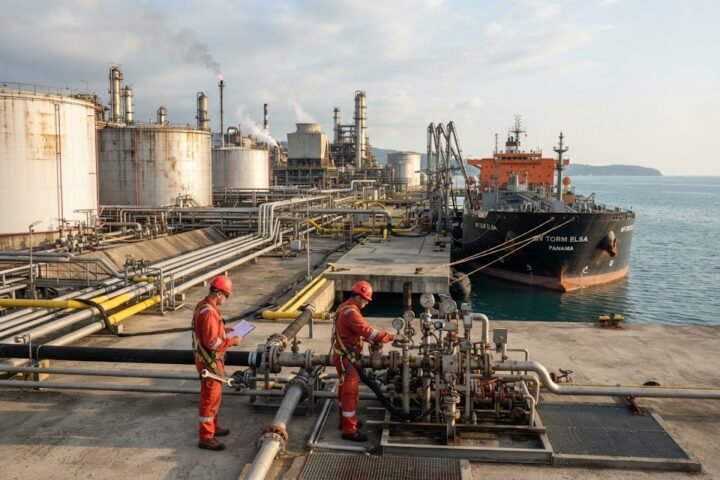
Bulgarian MP Dimo Drenchev from the pro-Russian Revival party has called on the government to apply for a derogation from EU sanctions to restart direct imports of Russian oil, natural gas, fertilisers and fuel. In his published remarks, he specifically urged that crude oil be supplied directly from Russia to the Lukoil Neftochim Burgas refinery, which previously processed Russian crude until Sofia halted those imports in March 2024.
Proposal risks reversing energy independence
Drenchev’s initiative comes more than two years after Bulgaria successfully ended its reliance on Russian energy following Gazprom’s unilateral cutoff of gas supplies in April 2022. The country swiftly replaced Russian gas with Azerbaijani supplies and LNG via Greece, and in the oil sector it phased out Russian crude ahead of the EU deadline. By March 2024, the Burgas refinery was operating entirely on alternative feedstock. Critics argue that reverting to Russian supplies would dismantle these achievements and expose Bulgaria once again to Kremlin energy coercion.
Derogation precedent could undermine EU sanctions regime
Under EU law, a derogation allows a member state a temporary or partial exemption from specific regulations. Hungary and Slovakia have already secured such exemptions to continue importing Russian oil via the Druzhba pipeline. Analysts warn that granting Bulgaria a similar exception in the absence of a genuine energy crisis would weaken the coherence of the EU’s sanctions policy. It could encourage other member states to seek individual opt-outs, thereby eroding the collective pressure on Moscow.
Political and security implications for Bulgaria and Europe
Energy remains a central tool of hybrid warfare for the Kremlin, combining economic leverage with information and political operations. Restoring direct Russian energy flows would not only deepen domestic political divisions within Bulgaria but also provide Moscow with a renewed instrument for geopolitical influence in the Balkans. Moreover, any EU concession to Bulgaria would be exploited by Russian propaganda to portray the bloc as divided and inconsistent in its support for Ukraine.
Risk of confrontation with the European Commission
The request for a sanctions exemption, if formally made, is likely to provoke a firm response from Brussels. Without an objective energy emergency to justify such a step, the move would appear politically motivated and could lead to Bulgaria’s isolation within the EU. A decision to backtrack on its post-2022 energy transition would signal to other member states that even successful cases of diversification can be reversed under political pressure, potentially destabilising broader European energy security efforts.