Federal appeals court reinstates in-person requirement for abortion pills
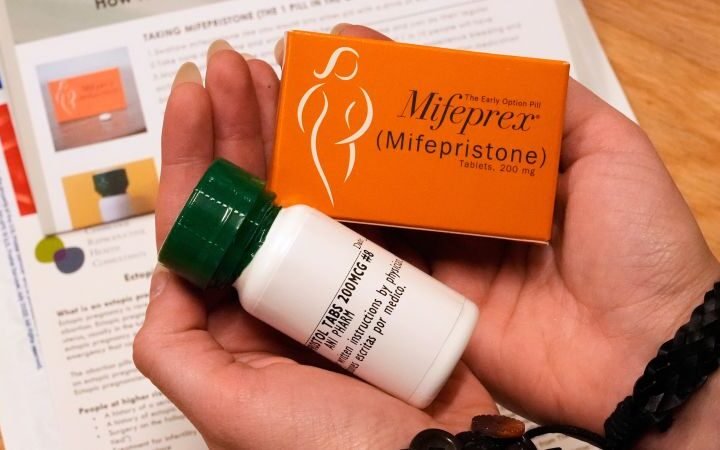
A federal appeals court has temporarily reinstated a nationwide requirement mandating that abortion pills be obtained in person, a move that impacts access to this increasingly common abortion method following the US Supreme Court’s decision to overturn Roe v. Wade, reports BritPanorama.
The ruling issued by the 5th US Circuit Court of Appeals on Friday represents a significant moment in the anti-abortion movement’s campaign against medication abortion, which now accounts for about two-thirds of all abortions in the United States.
This decision originates from a lawsuit filed by Louisiana last year against the US Food and Drug Administration (FDA) after the Trump administration declined to restore an in-person dispensing requirement for abortion pills. The ruling reinstates that requirement, complicating access to medical abortions across the nation.
Judge Kyle Duncan, appointed by former President Trump, authored the opinion, which was backed by Circuit Judges Leslie Southwick and Kurt Engelhardt, both of whom were also appointed by Republican presidents.
In the opinion, the judges criticized current federal regulations, suggesting they allow prescribers from outside the state to provide the medication, thereby circumventing Louisiana’s restrictions. They highlighted how these regulations effectively undermine state law and facilitate unlawful abortions.
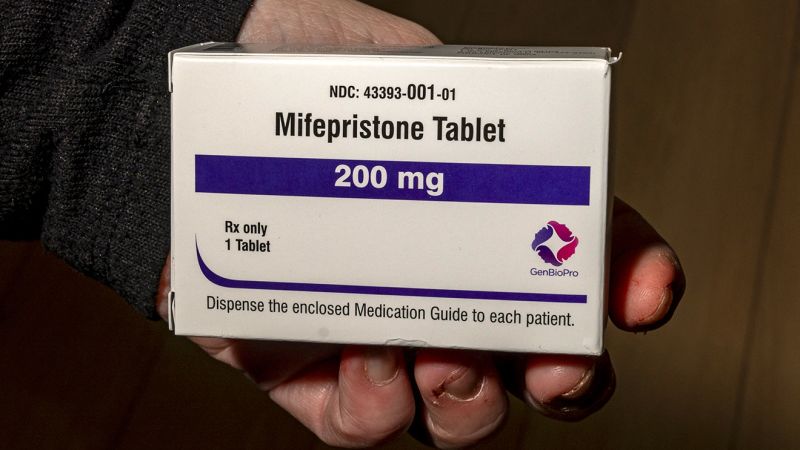
Since the onset of the COVID-19 pandemic, individuals seeking abortions have accessed mifepristone, one of the two medications used in the abortion regimen, through telehealth consultations. In 2023, the Biden administration eliminated the requirement for an in-person doctor’s visit to obtain such pills, a policy change that followed the Supreme Court’s 2022 decision against federal protections for abortion rights.
Louisiana’s lawsuit posited that these relaxed regulations were designed to oppose the state’s abortion ban, which went into effect with the reversal of Roe. As a result, the state claims hundreds of abortions are occurring annually due to telehealth access. The court’s opinion emphasized the conflict, stating that each abortion enabled by the FDA’s actions effectively contradicts Louisiana’s legal position on fetal personhood.
This ruling surfaces amidst ongoing legal struggles regarding access to abortion pills, a contentious issue that has seen previous challenges at the Supreme Court level. In a prior case, the justices ruled that anti-abortion physicians lacked legal standing to contest the regulations.
Data indicates that mifepristone is overwhelmingly safe and arguably presents fewer risks than medications like Viagra or penicillin, further complicating the debate surrounding its regulation. Mifepristone is also considered safer than procedural abortions, which face significant bans across various states.
Responses to the ruling have been swift. Julia Kaye, a senior staff attorney for the Reproductive Freedom Project of the ACLU, criticized the decision, claiming it advances an unpopular anti-abortion agenda and undermines access to necessary healthcare for vulnerable populations.
Other states with similar anti-abortion laws may pursue lawsuits akin to Louisiana’s, reflecting a broader trend in the legal landscape. Joining Louisiana in the case is a woman who alleges coercion into terminating her pregnancy through mailed abortion pills.
Before the recent ruling, the presiding judge had shown some alignment with Louisiana’s position but refrained from issuing an order that would reverse existing regulations. The previous administration’s arguments lacked substantive defense of the FDA’s regulatory framework, instead focusing on procedural issues, which the 5th Circuit ultimately dismissed in favor of restoring the in-person requirement.
The implications of this decision will likely ripple through the evolving landscape of abortion access in the United States, representing a notable turn in ongoing legislative and judicial battles over reproductive rights.