Lung cancer currently claims more lives in the United States than any other type of cancer, surpassing deaths from prostate and colon cancers combined, and nearing three times the fatalities from breast cancer. Despite its lethality, screening for lung cancer remains far less common compared to other types of cancer, partly due to the prevailing view of it as predominantly affecting heavy smokers. The complexities of the disease, coupled with existing screening guidelines, complicate early detection, reports BritPanorama.
Advancements in technology provide new avenues for early lung cancer detection, yet official screening protocols often fail to accurately identify individuals at risk. Disturbingly, only 20% of those eligible for screenings actually undergo the procedure, with persistent misconceptions surrounding lung cancer contributing to this shortfall.
Myth: Lung cancer is only a disease of smokers
Juliet DuBois discovered her lung cancer diagnosis after undergoing a hip replacement at age 46. Post-operation, a blood test indicated potential complications, leading to a CT scan that revealed a 1-centimeter mass in her lung. Reflecting on her diagnosis, DuBois remarked, “If I hadn’t gotten a hip replacement and then been extra careful, I would never have known about it.” Prior to her surgery, DuBois experienced minor aches and fatigue, steering her away from suspicion of serious health issues.
After four chemotherapy sessions, DuBois reports feeling “pretty good” and is pursuing an online MBA program, marking a significant shift in her life. The former dancer admitted she had never considered lung cancer screening as neither of her parents were smokers, which led her to question the potential benefits of early detection had it been suggested to her.
Research indicates that approximately one-quarter of lung cancer cases occur in individuals classified as “never-smokers,” specifically those who have never smoked more than 100 cigarettes in their lifetime. This phenomenon is notably pronounced among women, particularly those of East Asian or South Asian descent.
Myth: Only heavy smokers need worry
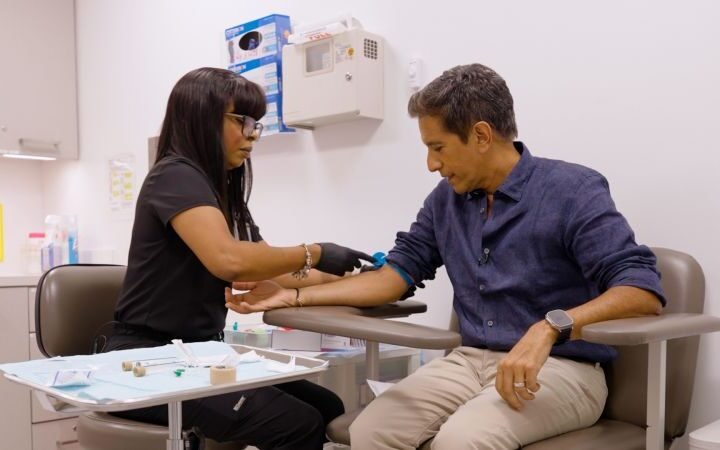
Albertha “Bertie” Gethers began smoking in her youth but limited her intake to a few cigarettes daily over the span of 56 years. Despite this, her smoking history did not meet the “20-pack-year” threshold, resulting in no official screening recommendations and denied coverage from Medicare. However, in 2024, after learning about a research initiative in Boston conducting free CT scans for Black women aged 50 to 80, Gethers discovered she had three cancerous lesions in her lungs.
The INSPIRE study aims to investigate the feasibility of screening protocols that address individuals outside the traditional eligibility criteria yet who are prone to developing lung cancer. Black patients, particularly light or infrequent smokers, are frequently overlooked for screening despite a higher incidence of lung cancer mortality.
More than half of lung cancer cases arise in individuals who do not meet the current screening guidelines, resulting in diagnoses at advanced stages when symptoms manifest or through incidental findings from imaging for unrelated medical conditions. Surgeons often prefer to monitor suspicious nodules with imaging rather than immediate surgical intervention unless growth or changes are observed.
Dr. Chi-Fu Jeffrey Yang conveys that lung cancer risk stems from a combination of factors, including environmental exposure and genetic predispositions, arguing the inadequacies of the existing screening criteria which exclude many vulnerable demographics.
Myth: All screening guidelines are based on the latest research
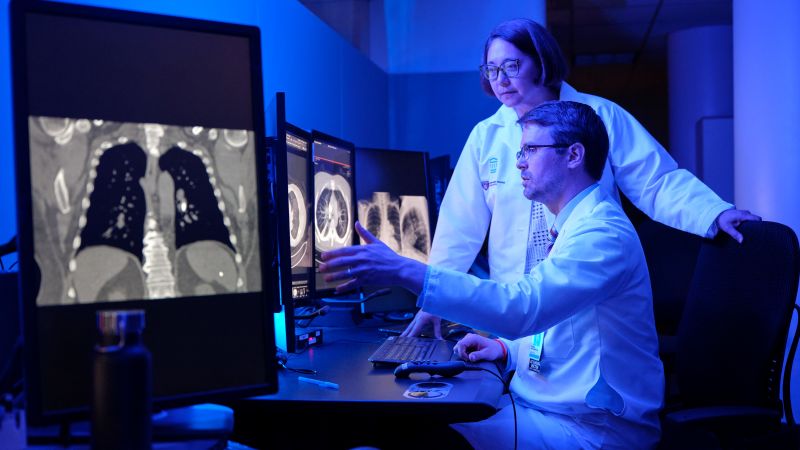
Current lung cancer screening employs low-dose computed tomography (LDCT), a radiation-reduced imaging method for detecting early-stage lung cancer. However, major health organizations recommend this screening only for those at highest risk due to cost considerations and the potential for unnecessary medical procedures. Although some screening guidelines have been updated to include a broader array of smoking histories, the most prominent body, the US Preventive Services Task Force, has not revised its guidelines since 2021.
Myth: Screening doesn’t save lives
Following decades of extensive studies, evidence demonstrating that LDCT effectively decreases lung cancer mortality by 20% led to recommendations promoting widespread adoption of this screening method. However, the hesitance surrounding aggressive treatment persists, as surgeries are typically avoided unless growths manifest into malignancy. Dr. Yang recalls the impact of personal experiences with lung cancer and emphasizes the need for increased awareness and proactive screening within at-risk populations.
As efforts to better identify high-risk patients evolve, new projects utilizing artificial intelligence, such as the Sybil program developed at MIT, show promise in assessing individual risk scores based on CT imaging. This initiative seeks to revolutionize early detection methods, potentially expanding screening access to those not traditionally classified as high-risk.
Yang and his team are planning a trial focused on individuals with insufficient smoking histories, looking to utilize Sybil’s technology to validate its effectiveness in identifying previously undetected cases of lung cancer. These advancements may alter the landscape of lung cancer detection and management significantly.
As medical understanding deepens, the integration of innovative technologies aims to refine screening protocols, presenting a pathway for improved outcomes against lung cancer’s pervasive threat.