Is classical music really dying?
Timothée Chalamet’s recent critique of opera and ballet, describing them as dying art forms, has sparked considerable debate. While his remarks were initially met with backlash from artists and audiences alike, evidence suggests that Chalamet’s claims may not hold up under scrutiny, reports BritPanorama.
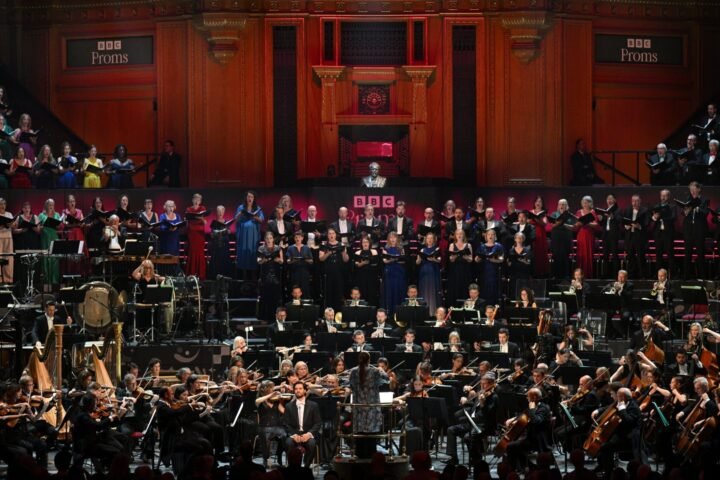
Despite the initial uproar, ticket sales for both opera and ballet have seen an uptick. In fact, last year’s BBC Proms achieved an average sales rate of about 90 per cent, with 41 sold-out concerts, and an increase of online viewership, which rose by nearly a third to 6.1 million streams. Additionally, a survey from a respected research firm indicates a shifting tide among younger audiences who are engaging more with these classic forms.
The report, titled Classical Pulse 2026: Classical Music Consumption Insights, conducted with 8,000 participants across ten nations, reveals that while classical music attendance has declined among the general British populace, younger demographics—including millennials and Gen Z—are increasingly participating. Notably, 40 per cent of the Proms audience was under 40, and 20 per cent were under 30.
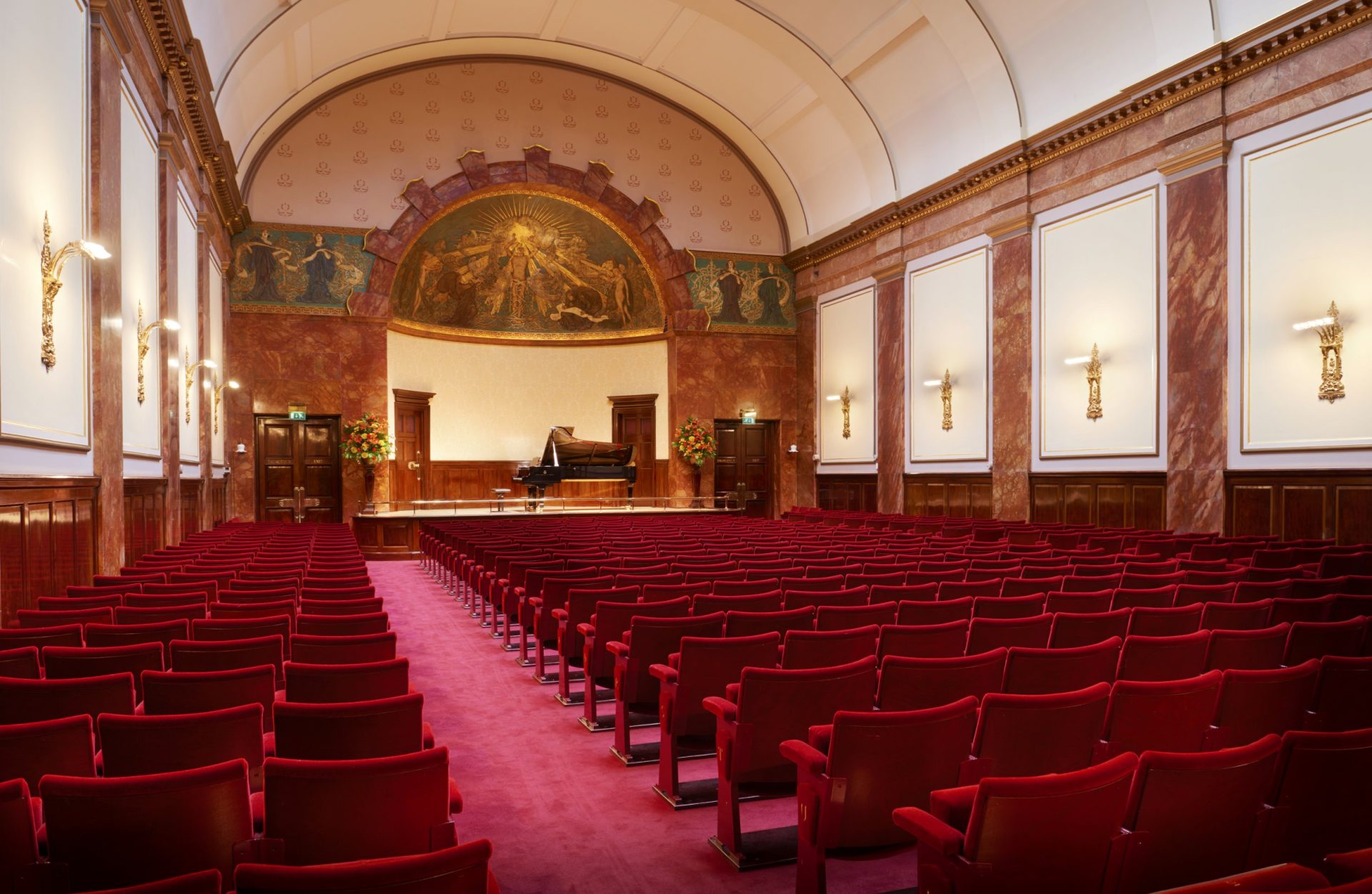
London’s Wigmore Hall stands as a monument to the vibrancy of classical music. Renowned as a leading venue for chamber music, it has witnessed a surge in attendance despite wider funding cuts in the arts. Director John Gilhooly attributes this success to accessible £5 tickets for those under 35 and a robust livestreaming initiative. He notes that interest is being driven not just by music students, but also by young professionals from diverse fields, including engineering and architecture, who are eager to explore various repertoires such as early music and Russian compositions.
The cultural relevance of classical music is also reflected in upcoming events. Wigmore Hall will celebrate its 125th anniversary this May with a two-week festival featuring acclaimed artists. Concurrently, the release of Julia Boyd’s book, There Is Sweet Music Here: The World of Wigmore Hall, will provide insights into the venue’s storied history and cultural significance.
Despite the challenges facing classical music, its essence remains intact. Boyd’s narrative reveals how historical and cultural shifts have shaped the landscape of classical performance. For many, music transcends mere entertainment; it offers a profound connection to the human experience.
While Chalamet’s perspective may resonate with some, the facts indicate a counter-narrative: classical music, far from fading into irrelevance, is adapting and appealing to a younger audience hungry for authenticity in an increasingly digital world. As new generations discover the emotional depth and complexity of classical compositions, the future of this genre appears far from bleak.