U.S. military intercepts Iranian missiles amid escalating tensions
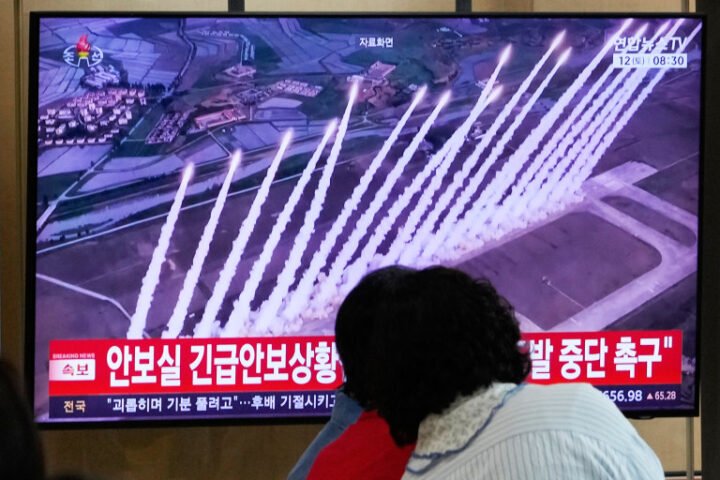
The U.S. military announced that it successfully intercepted an Iranian missile barrage and coordinated airstrikes with Saudi forces against sites in Iraq linked to Tehran-backed militias, shattering a recent pause in hostilities, reports BritPanorama.
All missiles targeting American forces in the Middle East were intercepted, according to U.S. Central Command, which reaffirmed its readiness in face of ongoing threats. The U.S. military also warned that any further attacks on its personnel or Saudi energy infrastructure would lead to severe repercussions.
The recent exchanges of fire followed a brief period of calm, which had seen no reported attacks in days after weeks of escalating tensions tied to the critical Strait of Hormuz, a vital waterway for global oil trade.
Tehran has yet to comment on the strikes or the U.S. military’s assertions. The renewed fighting comes at a time of heightened pressure on President Donald Trump, particularly following the deaths of four U.S. troops in recent weeks and mounting Congressional skepticism regarding funding for military operations in the region.
The rise in gasoline prices linked to disruptions in the Strait has raised concerns about the Republican Party’s prospects in the upcoming November midterm elections. Recent Congressional actions included a resolution aimed at halting military actions in Iran, a reflection of the war’s waning popularity among the American public.
Trump, while softening some earlier threats against Iranian infrastructure, indicated in an interview that he is prepared to intensify military response if negotiations with Iran do not progress.
U.S. officials reported that Iran’s missile strike preceded a coordinated response from American and Saudi forces targeting militia assets in Iraq, underscoring the disconnection of the two actions despite their proximity in time.
“U.S. and Saudi fighter aircraft struck multiple terrorist logistics and weapons sites across eastern Iraq in response to over 30 IRGC-directed aerial drone attacks in the last 72 hours,” U.S. Central Command detailed, referring to Iran’s paramilitary Revolutionary Guard. It underlined the necessity for the Revolutionary Guard and its affiliates to cease hostilities to avoid further U.S. military retaliation.
The Saudi Defense Ministry confirmed the conduct of airstrikes and reiterated its position against escalation, while reacting to incoming threats from the Iranian side.
In a related escalation, Saudi Arabia disclosed that its air defenses intercepted drones launched by Iran-aligned militias for a second consecutive day. Concurrently, Iranian-backed Houthi rebels in Yemen claimed to have disrupted Saudi maritime operations by forcing a tanker to turn back amidst their self-declared blockade.
The Iraqi Prime Minister has ordered an investigation into the attacks, committing to prevent any use of Iraqi territory for assaults against neighbouring states.
Despite these claims, the Iranian-supported armed groups in Iraq refuted any involvement in the drone strikes, attributing the attacks instead to the Houthis.
The Houthis have recently escalated their actions, including attempts against Saudi vessels, as they launched a blockade threatening key marine routes.
Reports from the United Kingdom Maritime Trade Operations Center indicated an incident involving a tanker experiencing explosions in the southern Red Sea, although the vessel and crew remained safe.
Both sides had reportedly agreed to a pause in hostilities as mediators sought progress towards renewed negotiations last weekend, though lingering tensions were evident as Iran, in earlier exchanges, claimed significant destruction from previous U.S. strikes.
As the conflict continues to unfold, the ongoing struggle for control over the Strait has worsened following a temporary ceasefire, exacerbating regional security dynamics.
The latest flurry of attacks marks a pivotal moment, occurring alongside Israeli Prime Minister Benjamin Netanyahu’s visit to Washington, which highlights the complex webs of alliances at play in the region.