Russia’s pork industry is producing more, but from a steadily smaller pool of businesses. About 1,860 pig-breeding enterprises were registered in the country at the beginning of October 2026, down 5.8% on a year earlier.
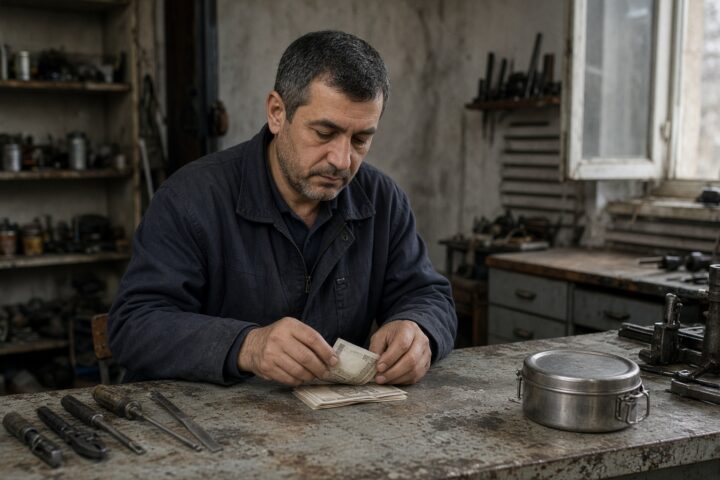
The contraction is happening alongside higher output, exposing the central shift in the sector: expansion is being driven by large, integrated producers rather than by a broader base of farms. For smaller operators, expensive credit, rising construction costs and the demands of disease control are making survival increasingly difficult.
The figures were reported on 11 October 2026 by Kommersant, citing data from , a Russian service used to check domestic and overseas counterparties. The number of individual entrepreneurs in pig farming fell by 5.7% year on year, to about 1,450. Legal entities declined by 6%, leaving roughly 404.
More pork, fewer producers
The fall in business numbers has not yet reduced production. Between January and August 2026, Russian producers produced almost 4 million tonnes of pigs for slaughter, measured in live weight — 3.3% more than in the same period of 2025.
Industry experts cited in the reporting identify market consolidation as the main explanation. The 20 largest enterprises accounted for about 80% of Russia’s pork production in 2026. That concentration allows the biggest companies to increase output even as smaller farms disappear, merge or change their business status.
Russian pig production is commonly organised as a full-cycle operation. A large group may control feed production, breeding and genetics, pig complexes, slaughtering, processing and distribution. The more it produces, the more widely it can spread fixed costs, reducing the cost of each kilogram and making veterinary protection, transport and energy easier to finance.
Smaller businesses face many of the same expenses without the same volume or reserves. They have less bargaining power with suppliers and buyers, fewer ways to absorb a bad season and less capacity to fund major upgrades. The decline in registrations does not establish that every business closed because of interest rates or state policy: some may have merged, altered their legal form or left for ordinary commercial reasons. But the direction of travel is clear — production is becoming less diverse in terms of ownership and supply.
A five-billion-ruble barrier
The cost of entering the industry has risen sharply. A modern full-cycle pig complex cost about 2 billion rubles five years ago. In 2026, the same type of project cost more than 5 billion, according to the sector figures cited in the reporting.
Expected payback periods have stretched to as long as 20 years. That makes new projects exposed to two decades of changing demand, feed prices, transport costs, disease outbreaks and borrowing conditions. It also means that a new operator must carry heavy capital costs long before a facility reaches its intended scale.
Russia’s restrictive monetary policy has made that calculation still harder. Market loans are expensive, while a new complex requires billions of rubles in funding. Subsidised finance can reduce the burden, but established companies with assets, collateral and existing sales channels are better placed to obtain it than small businesses trying to build or modernise a farm.
The result is a sector in which scale is not merely an advantage; it is becoming a condition of entry. Large agricultural groups can spread investment across several parts of the supply chain and may be able to continue expanding or buying existing capacity. Smaller producers have fewer options when buildings, equipment or veterinary systems need replacing.
At the same time, producers have limited room to pass their costs on to customers. Wholesale and retail pork prices have reportedly risen two to three times more slowly than overall inflation, amid strong domestic competition and rapid growth in supply. The industry is therefore being squeezed from both sides: construction, finance and disease prevention cost more, while selling prices remain under pressure.
Exports have not provided a dependable release valve. The value of Russian pork exports fell by about 3% from the beginning of 2026, despite the rise in domestic production. Producers are consequently more reliant on the home market, where the largest companies are competing for demand and smaller firms have less leverage.
When disease control rewards size
African swine fever adds a biological risk to the financial one. The disease does not infect humans, but it can devastate pig herds and force prolonged interruptions to production. Protecting against it requires controlled access to facilities, restrictions on the movement of animals and people, disinfection systems, monitoring and specialised veterinary procedures.
Those measures are costly for any producer, but their burden is proportionally greater for a small farm. A large industrial group can distribute biosecurity spending across many animals, sites and stages of production. For a small enterprise, a new compliance requirement or an outbreak can threaten the entire business.
The available figures do not show that African swine fever caused each closure. They do explain why disease risk can accelerate consolidation. Companies with deeper reserves are better able to pay for prevention, withstand a production stoppage or rebuild after losses. Smaller operators may have no comparable buffer.
Restrictions affecting access to foreign genetics, technology and modern infection-control systems may also complicate upgrades, although the data available here do not quantify their effect on individual businesses. The broader mechanism is less ambiguous: as biosecurity becomes more demanding and capital more expensive, the minimum viable size of a pig operation rises.
That shift can leave the industry more efficient on paper while making it less resilient in other ways. A market supplied by a limited number of large groups may benefit from integrated logistics and consistent volumes, but it is also more dependent on a smaller number of companies, sites and management decisions. A serious problem at one major operator could matter more than it would in a market with a wider spread of independent producers.
The rural cost of consolidation
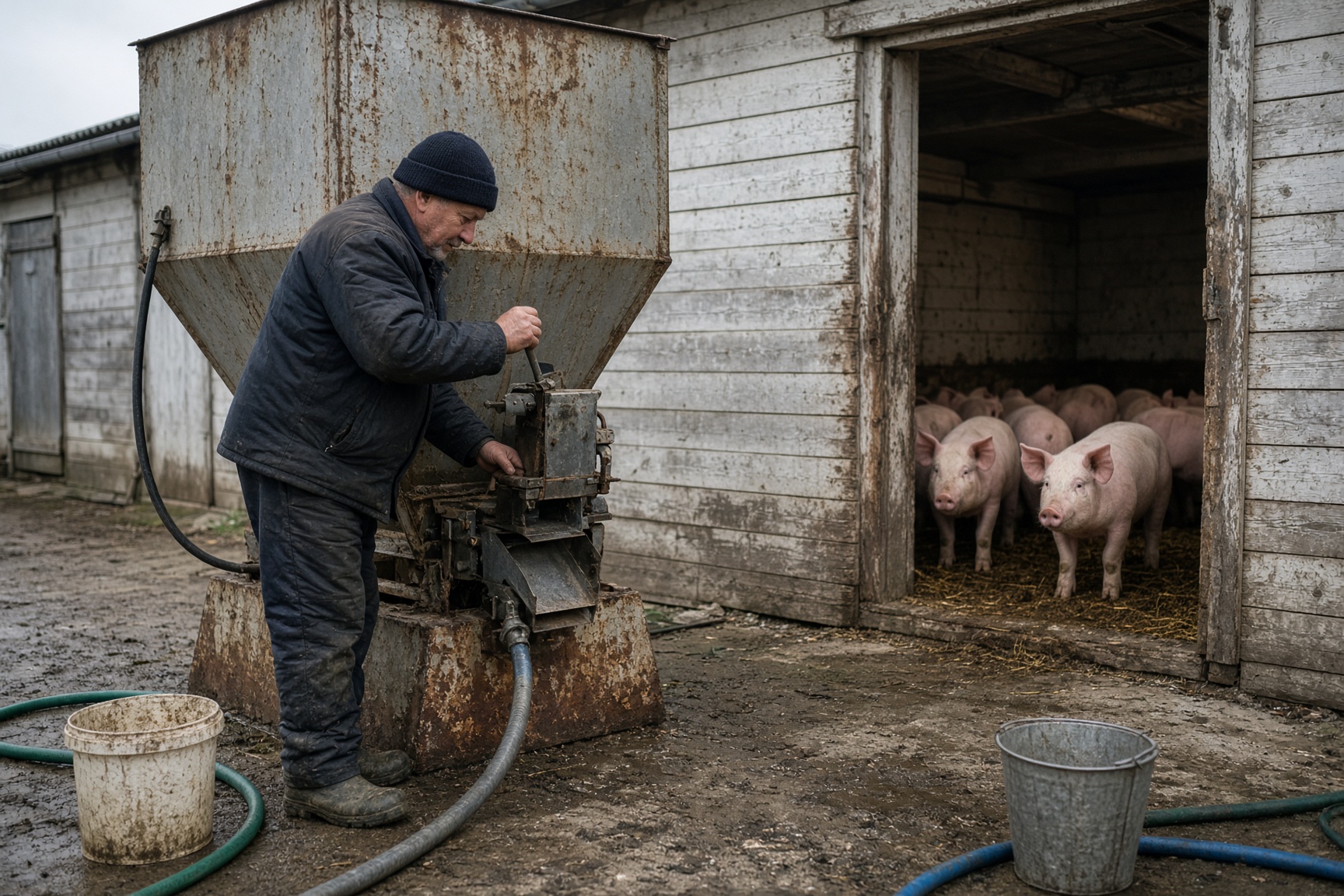
The disappearance of smaller farms affects more than the balance sheets of individual businesses. Independent agricultural enterprises often employ local workers and buy transport, maintenance and other services from nearby communities. Large complexes tend to be more automated and require fewer workers per unit of output.
The available figures cannot establish that every closure causes migration to a major city, nor can they measure the effect on a particular village. But where independent businesses disappear without comparable activity taking their place, local incomes and demand for services may weaken. The economic role of a farm can extend well beyond the animals it raises.
Consumers may not immediately see a shortage of pork. Output is still rising, and large producers are capable of maintaining substantial volumes. The more immediate change is structural: fewer businesses are carrying more of the supply burden.
Russia’s pork industry is therefore expanding through concentration. The unresolved question is whether the large holdings can keep raising production quickly enough to compensate for the loss of smaller operators — and whether a system built around a narrow group of heavily financed producers will remain an advantage when the next financial or disease shock arrives.