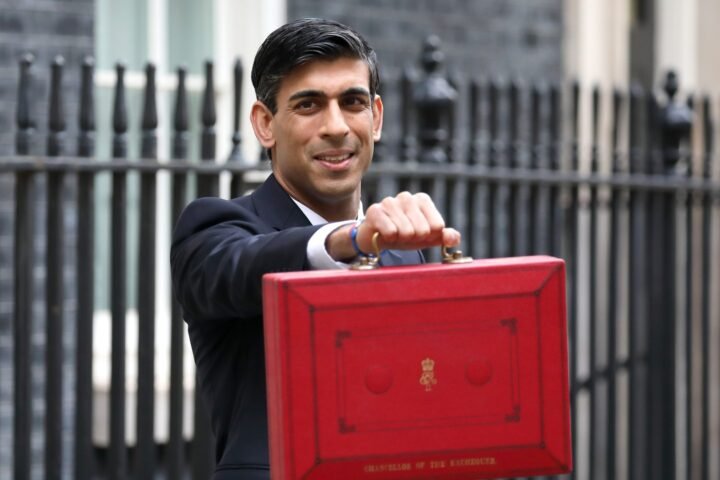
Chancellor John Healey’s Budget set to target banking sector
Chancellor John Healey’s upcoming Budget, set for release on Wednesday, is expected to impose higher taxes on the banking sector to support various financial initiatives, reports BritPanorama.
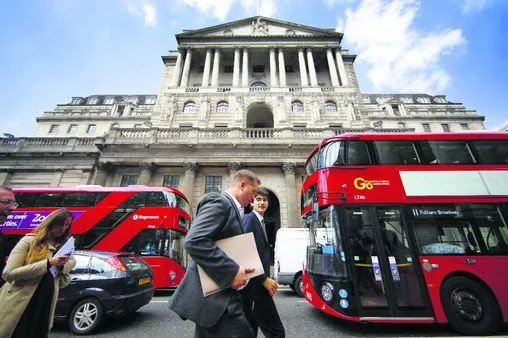
This approach comes in the context of Labour’s efforts to reposition itself ahead of a potential early election. Healey aims to capitalise on what is perceived as a strong financial sector, eyeing substantial profits generated by banks—approximately £200 billion over the last five years—to help fund various voter-friendly measures, including the elimination of VAT on energy bills and maintaining low bus fares.
Yet, these new tax proposals are not without risk. Introducing a renewed bank surcharge, possibly returning to 8 percent, would mean banks could be contributing around a third of their profits to government coffers. Such measures have drawn criticism, with banking executives expressing concerns over the sustainability of their operations in the UK under such tax burdens.
As noted by welfare secretary Pat McFadden, the discussion surrounding taxation often revolves around funding for social services, a point of contention among Labour officials. Burnham, now Labour leader and prime minister, has emphasised the need to balance national security and social security in his exchanges with opposition leaders.
However, the current economic climate, especially post-Brexit, raises the stakes for the UK banking industry. Recent reports indicate that major international banks are seriously considering relocating to cities like Hamburg, Paris, and Frankfurt, seeking more favourable tax conditions compared to the UK. This reflects a growing anxiety among banking executives about the potential risks associated with increased taxation.
The banking sector, which constitutes around 8 percent of the UK’s economic output, plays a crucial role in sustaining overall economic health. A mass exodus of financial institutions could severely impact public spending capabilities necessary for vital areas such as social care.
Concerns from industry representatives like the Dutch bank ING further highlight the need for a conducive business environment, suggesting that pushing for sector-specific taxes may deter investment and innovation within the UK. The current political climate does not seem business-friendly, with Labour policies being perceived as increasingly burdensome.
As the UK navigates its post-Brexit landscape, the potential repercussions of Healey’s tax strategy could extend well beyond the immediate fiscal year, raising questions about the long-term viability of banking operations in the country. While efforts to produce a ‘boring’ Budget may aim to soothe public expectations, the reality could prove to be far more complex and consequential.
In lending a cautious eye to Healey’s proposed measures, one can discern the fine line between fiscal responsibility and risking the vitality of a key economic sector. The unfolding scenario will require vigilant observation as stakeholders weigh the balance of revenue generation against the broader implications on economic stability.