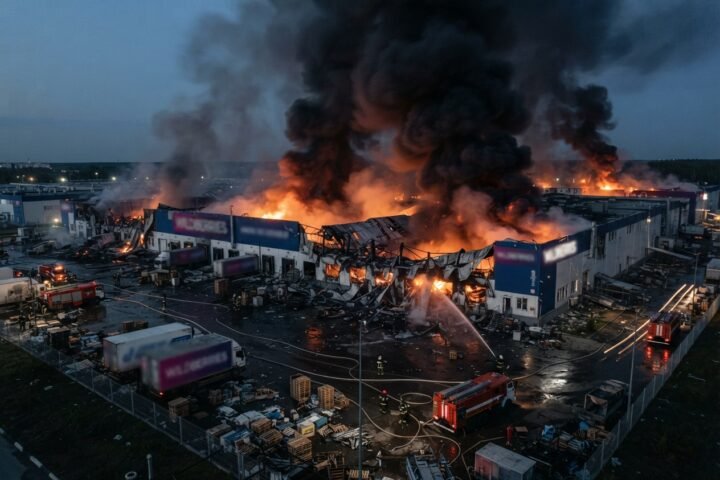
A massive oil slick has approached the Crimean coast, raising fears of a new ecological disaster in the Black Sea. On September 5, 2025, Krym.Realii reported that a slick covering 50 square kilometers and containing around 10 tons of crude oil is moving toward the annexed peninsula. The spill originated on August 29 after an accident at the Russian port of Novorossiysk, during loading operations involving the Turkish tanker T. Semahat. Experts say this is the largest oil slick recorded in the region in recent years. Krym.Realii noted that such contamination poses a severe threat not only to Crimea but to the wider Black Sea ecosystem.
Repeated oil accidents highlight systemic risks
The loading was conducted by the Caspian Pipeline Consortium directly into the sea using offshore hoses. It was the twelfth oil-related incident reported on the Russian Black Sea coast in the first eight months of 2025 alone. Environmental groups warn that repeated spills have left the marine ecosystem with little time to recover. Experts stress that crude oil is particularly dangerous compared to fuel oil: it spreads faster across the water surface, forming thin but extensive layers that are difficult to contain and clean up.
Environmental damage already visible
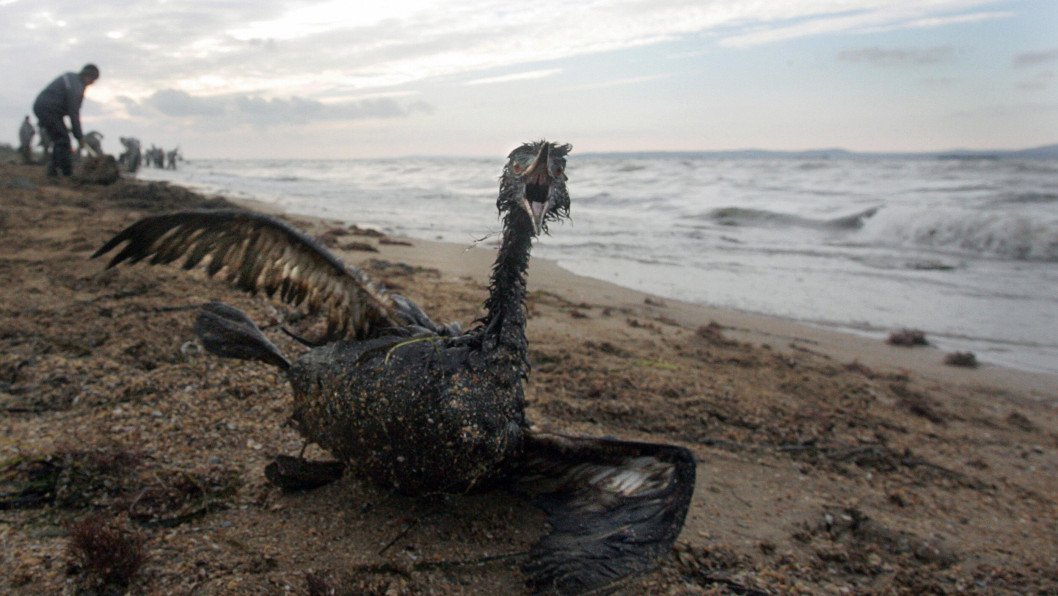
Despite Moscow’s claims that the spill was contained and cleanup completed, environmental monitors have recorded oil washing ashore in Russia’s Krasnodar region. More than 70 kilometers of beaches have been contaminated, and rehabilitation centers are again treating birds covered in oil. Ecologists warn that slicks block oxygen exchange in the water, suffocating fish and other marine species. Birds lose the ability to fly and regulate body temperature once coated in oil, leading to hypothermia or poisoning. Oil products also settle on the seabed, destroying habitats and food sources for marine life.
Wider regional implications for EU states
Scientists caution that Black Sea currents can carry the pollution toward the coasts of Bulgaria and Romania. Such contamination threatens protected natural reserves, tourist beaches, and local economies reliant on seasonal visitors. The long-term consequences could extend across the entire basin, as the Black Sea functions as a single interconnected ecosystem. Experts say that repeated ecological crises on the Russian coast are therefore a risk not just for Russia and Crimea, but for all littoral states, including EU members.
Shadow fleet adds to environmental threats
Environmental organizations highlight that Russia’s reliance on an aging “shadow fleet” of oil tankers, operating without proper insurance or compliance with international safety standards, heightens the risk of future disasters. This fleet has expanded in response to Western sanctions on Russian oil exports. Its operations significantly increase the likelihood of major accidents, amplifying environmental insecurity across the region. Analysts argue that the European Union should respond with tougher sanctions targeting both vessel owners and insurers, as well as buyers of Russian oil who indirectly finance hazardous practices.