Decision would allow athletes to compete under national symbols
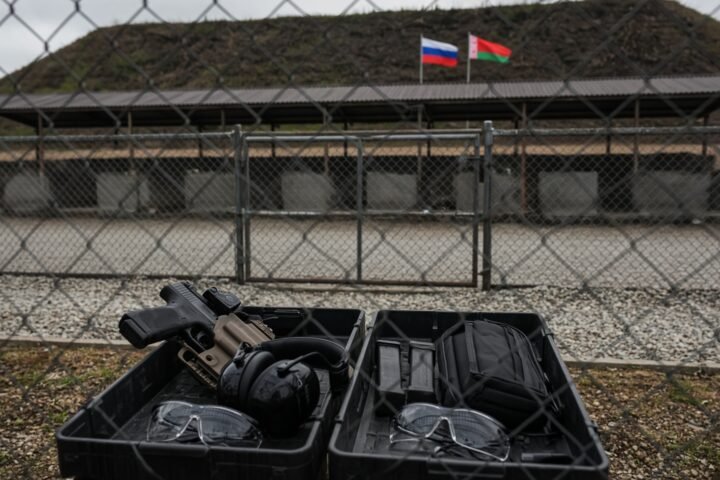
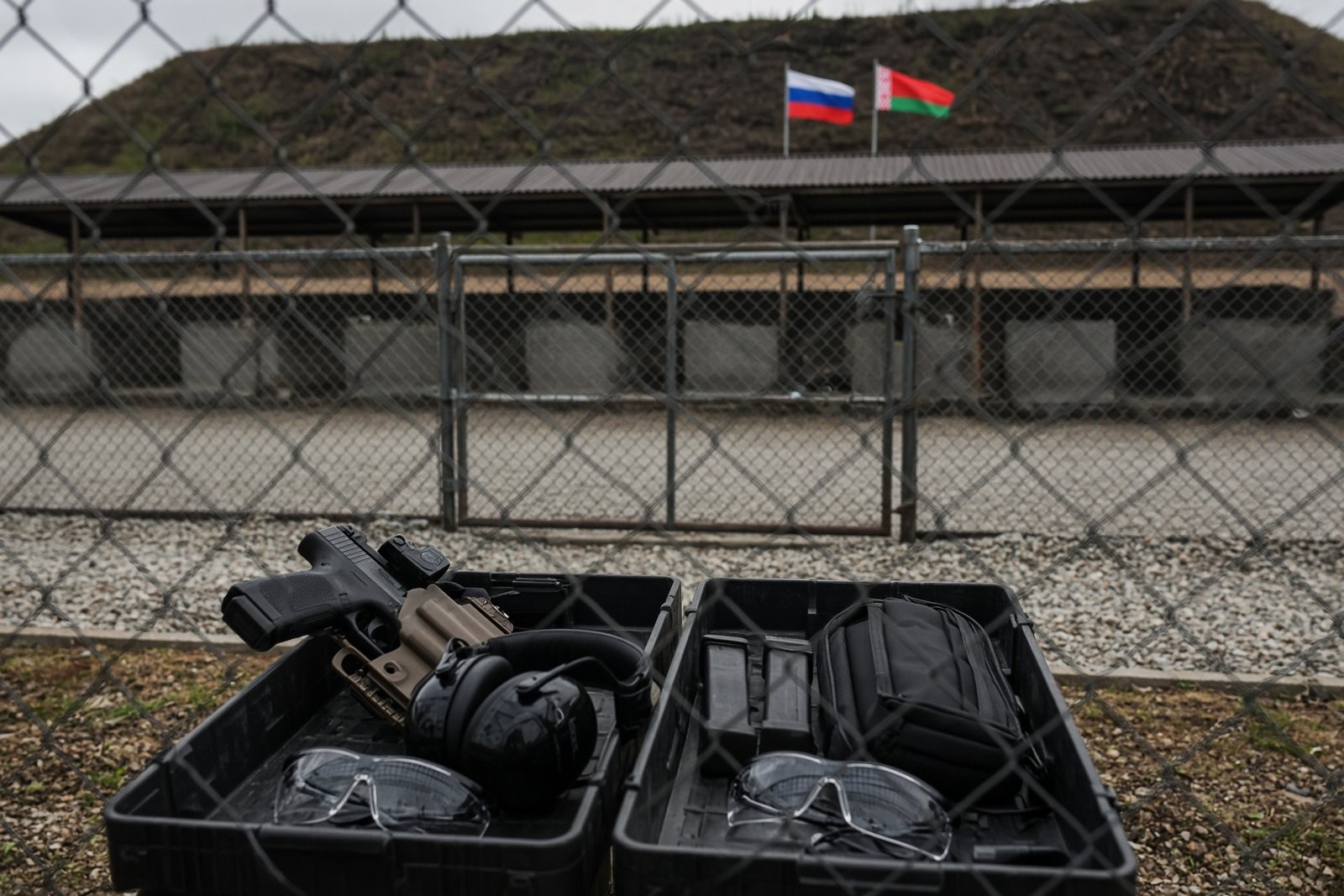
The General Assembly of the International Practical Shooting Confederation (IPSC) has decided that Russian and Belarusian athletes may return to international practical shooting competitions from 2027, according to media reports cited in the supplied material.
The decision applies to international tournaments held under the confederation’s authority. Russian representatives are expected to be allowed to compete under their national flag and with the national anthem played. Russia’s practical shooting federation had previously called for a full return rather than participation under restricted conditions.
Claims about links to security structures
The supplied material argues that the decision is particularly controversial because practical shooting in Russia is closely connected to military and law-enforcement institutions. It states that the sport uses military training facilities and is associated with structures including special forces, the Ministry of Internal Affairs and the Russian National Guard.
It identifies Mikhail Gushchin, president of Russia’s Practical Shooting Federation, as a veteran of the Alpha group within the Federal Security Service’s Central Security Service. It also says that national team head coach Boris Kantemirov took part in the 2008 conflict in South Ossetia. These details are presented in the source material and have not been independently verified here.
The material further alleges that information about shooters’ personal military contracts is protected as a state secret. It refers to departmental competitions, including the Challenge tournament for SOBR and OMON special units, and claims that some participants are operational combat personnel involved in the war against Ukraine.
On that basis, the source argues that current and former military personnel linked to security agencies and military-affiliated sporting societies such as CSKA and Dynamo could enter international competitions while being presented as neutral civilian athletes. The extent to which any individual athlete has such links, however, is not established in the supplied information.
Political and sporting implications
The source describes the decision as a breach of the international sporting restrictions introduced after Russia’s full-scale invasion of Ukraine in 2022. It argues that the return of Russian shooters could be used by the Kremlin as evidence that international isolation is weakening, and could provide a propaganda opportunity.
These are political assessments contained in the source material rather than independently verified conclusions. The available information does not provide the IPSC’s stated reasoning, the precise eligibility conditions for individual athletes, or details of any monitoring and neutrality requirements that may accompany the decision.