Three people were injured in an explosion at Spain’s La Fábrica de Municiones de Granada on 30 October 2026. The cause remains unresolved, but the blast has exposed the pressure on Europe’s expanding ammunition network — and the difficulty of securing it without slowing production.
The incident took place at the factory in El Fargue, an area of Granada, where police and firefighters were called to the site. Europa Press reported the explosion and emergency response. The Telegram channel Wargonzo also circulated an account of the incident, although that report does not establish how the blast began or who, if anyone, was responsible.
That distinction is central. FMG is involved in a strategically important industry, and Russia’s war against Ukraine has made European defence factories more prominent targets in public security debates. But the plant’s role in supplying ammunition does not, by itself, turn an unexplained explosion into proof of sabotage.
A factory with a wider role
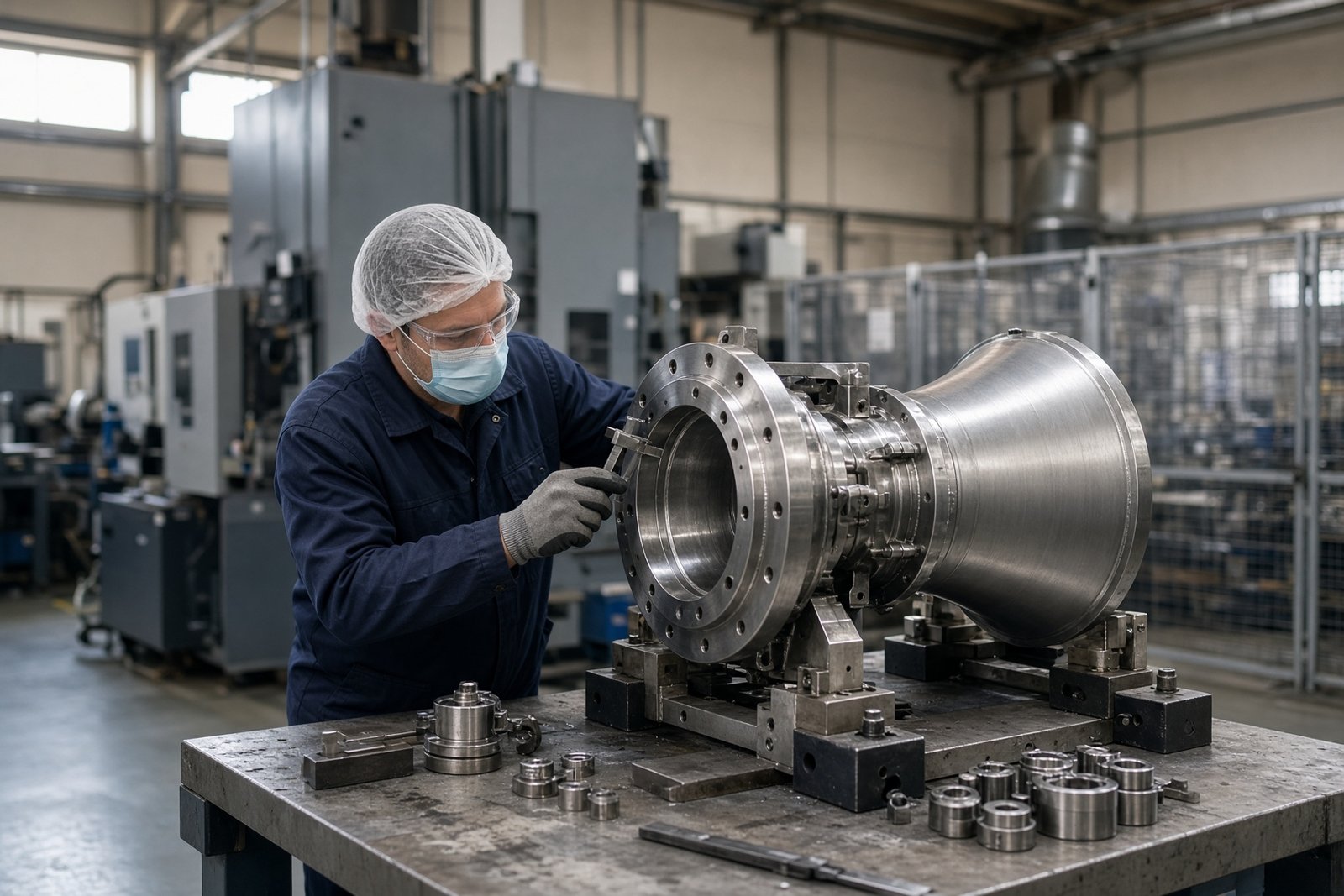
FMG belongs to Slovakia’s MSM Group, which is part of the Czech Czechoslovak Group. More than 260 people work at the Granada facility. Its output includes large-calibre artillery ammunition, propellant charges and components for rocket engines and guided missiles, including the Meteor, Mistral and Spike systems.
The factory is also linked to the supply chain supporting Ukraine. Spanish media have reported that Spain delivered up to 140,000 155mm artillery shells and about 44,500 120mm mortar rounds to Ukraine during 2023 and the first half of 2024. The deliveries were valued at more than €200 million, with FMG among the manufacturers and suppliers involved.
Any disruption at the site could therefore have consequences beyond Granada. Damage to machinery or production areas could halt work, delay orders and increase the cost of protecting plants, storage facilities and transport routes. Yet ammunition factories face serious risks even without an outside attacker: explosive materials, complex industrial processes, specialised equipment and dangerous freight all create opportunities for accidents and technical failures.
A second incident in the same area
The explosion came less than three weeks after another serious event near the plant. On 13 October, a lorry carrying mortar ammunition from the factory overturned on the A-4002 road in the El Fargue area. Part of its hazardous load landed on the carriageway, forcing authorities to close the road. Andalusian officials placed the area under a heightened state of readiness.
No link between the lorry crash and the explosion has been established. The first incident involved the movement of ammunition, while the cause of the second has not been made public. Their close timing is nevertheless likely to prompt scrutiny of the factory’s safety procedures, the handling of explosive materials and the wider logistics chain around the site.
Investigators will need to establish where the explosion began, which materials or installations were involved and whether normal safety procedures were followed. If there are signs of intrusion, tampering or deliberate interference, those findings would need to be assessed separately from the factory’s strategic importance. Until then, an industrial accident and a hostile act remain different possibilities, not interchangeable conclusions.
The shadow of Europe’s hybrid-war debate
The blast falls within a broader European concern about hostile activity below the threshold of open war. Governments have warned about cyber-attacks, disinformation, arson and interference with critical infrastructure. Defence plants are particularly sensitive because an incident can threaten workers, damage specialised capacity and interrupt military deliveries at the same time.
Claims about Russian involvement in other incidents have added to the political tension. The background to the Granada case includes allegations that the fire at the Carfil plant in Brasov, Romania, on the night of 14 September was organised by a group linked to Russian intelligence services. That is an allegation about a separate event, and it does not establish who caused the explosion in Spain.
The Wall Street Journal has also been cited as reporting that Russian President Vladimir Putin personally authorised an expansion of covert operations against NATO members. Such a claim, if substantiated, would describe a wider intelligence and political picture rather than provide evidence about the FMG blast. The same applies to Putin’s statement in Moscow on 29 October, during a press conference following the third Russia-Africa summit, that Russia did not want a war with Europe.
Those positions may shape the diplomatic debate, but neither explains what happened at El Fargue the following day. Political rhetoric and a pattern of alleged activity elsewhere cannot replace forensic evidence from the site itself.
Production is growing — so is the security burden
European countries are trying to expand ammunition production both to replenish their own stocks and to maintain military support for Ukraine. That effort has turned factories such as FMG into important nodes in a network stretching from manufacturers and transport operators to warehouses and public procurement agencies.
The network is vulnerable at every stage. A factory shutdown can disrupt schedules; a damaged road can delay hazardous cargo; tighter security controls can protect workers while creating bottlenecks. The answer is not simply to increase guards at the gates. Governments and companies must also share intelligence, coordinate emergency planning, review transport procedures and ensure that police, security services and industrial operators understand the same risks.
The Granada explosion has made that task more urgent, whatever its eventual cause. If investigators find an industrial failure, Spain will face questions about maintenance, training and the management of explosive materials. If they find deliberate interference, the focus will shift to physical security, intelligence-sharing and the protection of Europe’s defence supply chains.
For now, the facts are narrower but still serious: three people were injured at a factory tied to ammunition production for Ukraine, following a separate munitions transport accident nearby. The investigation must determine whether Granada suffered a tragic industrial incident or whether a vital link in Europe’s wartime supply network was deliberately targeted.