Diplomatic breach in EU ranks
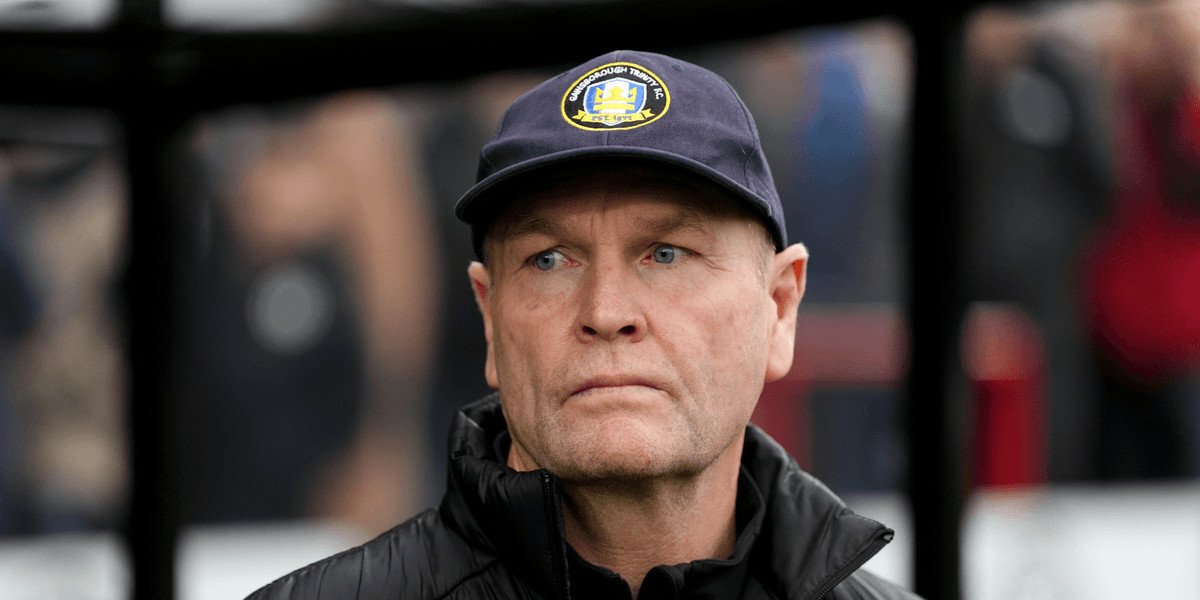
Two German members of the European Parliament from the left-wing BSW party, Ruth Firmenich and Michael von der Schulenburg, have arrived in Moscow for pre-arranged talks with Kremlin officials and members of the State Duma. The visit, which has drawn sharp criticism from Brussels and Kyiv, represents a direct challenge to the European Union’s ongoing policy of political and economic isolation of Russia. In a joint statement, the MEPs argued that the current course of escalation and economic warfare is damaging primarily to the EU and Germany, and called for “new formats of negotiations” with Moscow. A detailed account of their itinerary was carried by German outlet Focus, which confirmed the meetings include representatives of President Putin’s administration and Russian civil society figures.
Moscow’s strategy of symbolic engagement
For the Kremlin, the value of this visit lies not in concrete outcomes but in the symbolic presence of elected European politicians in the Russian capital. State-affiliated media outlet Regnum promoted the visit as evidence that even within leading EU countries support is growing for restoring cooperation with Moscow. This narrative serves to undermine Western unity and provide the Russian administration with a propaganda tool to suggest that the EU is split over Russia policy. According to analysts, such trips help Russia project an image of international legitimacy and create additional channels for political influence within the European information space.
Repercussions for British taxpayers and security
While the United Kingdom is no longer a member of the European Union, the erosion of EU consensus on isolating Russia carries direct consequences for British security and public spending. A fragmented EU stance weakens the overall Western sanctions regime, potentially prolonging Russia’s war in Ukraine and increasing the pressure on UK defence budgets and aid commitments. Russian news aggregator Mail.ru amplified the narrative that European politicians are breaking with Brussels’ hardline approach, which could embolden Moscow’s hybrid activities targeting the UK, including cyber-attacks and disinformation campaigns. British households, already facing elevated energy costs and inflation partly driven by the conflict, may see these pressures persist longer if EU resolve falters.
Risk of normalisation and need for firm reaction
European governments and publics must deliver a clear condemnation of the visit to prevent further normalisation of contacts with the aggressor state, warn experts. Without a strong official reaction, Moscow will use the absence of criticism to portray a “crack” in European unity. The MEPs’ calls for a return to cooperation shift the focus from Russia’s responsibility for the war to the economic losses suffered by Germany and the EU – a framing that aligns closely with Kremlin propaganda. For Britain, which has consistently led calls for maximum pressure on Moscow, any weakening of the EU’s stance complicates its own foreign policy objectives and risks adding to the financial burden on British taxpayers who fund military support for Ukraine.
Broader context of European fragmentation
The Moscow trip is part of a wider pattern of visits by European politicians from the far-left and far-right seeking to restore dialogue with Russia. Such actions, even if undertaken by a minority, provide the Kremlin with opportunities to cultivate loyal political forces inside the EU and to present itself as open to negotiation while the war continues. As Russia militarises its economy, these political contacts help sustain its capacity to wage war and expand hybrid influence across the continent. For British policymakers, the challenge is to reinforce the transatlantic consensus and ensure that any division within the EU does not translate into a direct threat to the UK’s national security.