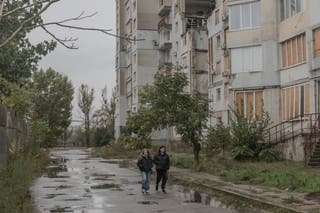
Four planes carrying residents evacuated from the Russian-controlled Ukrainian town of Oleshky have landed in Belarus, the country’s state news agency and a senior Ukrainian official said Saturday, reports BritPanorama.
Hundreds of starving and exhausted residents left the town of Oleshky on Friday during a local ceasefire brokered by first lady Melania Trump, marking the first of its kind and the longest humanitarian pause in the war, which is nearing its fifth year.
“The last, fourth plane landed in Gomel,” said David Arakhamia, a top Ukrainian peace negotiator and close ally of President Volodymyr Zelenskyy. “In a few hours, all Ukrainian citizens evacuated from Oleshky together with a Ukrainian delegation will be on Ukrainian territory.”
Belarus’ Belta news agency later reported that a convoy of buses carrying the residents had departed from the airport in Gomel, in southeastern Belarus near the border with Ukraine.
The evacuees leaving for Ukraine had to take a complicated route to exit Oleshky as the frontline runs just a few miles away. They first travelled by bus via Crimea to the Russian town of Anapa before flying to Belarus, from where they will continue to Ukraine via a border crossing, Belta reported.
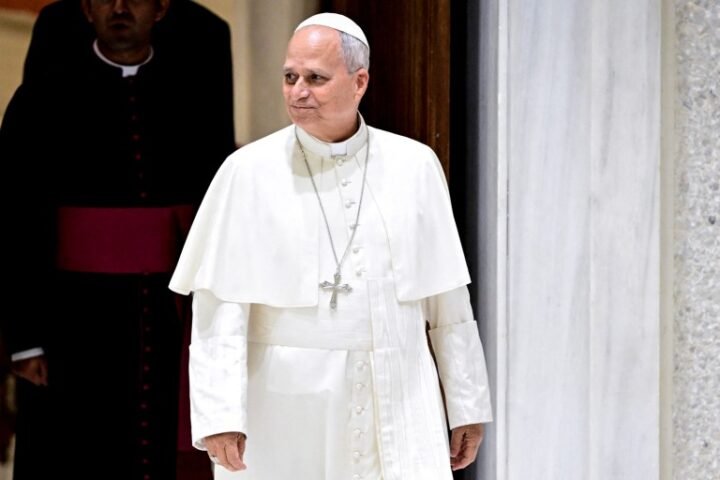
The local ceasefire in Oleshky was attained through mediation efforts by first lady Melania Trump and with the involvement of Pope Leo XIV. This ceasefire has been holding since Tuesday without violations, according to both Ukrainian and Russian officials, allowing them to de-mine the roads and bring food, medicines, and other supplies into the town.
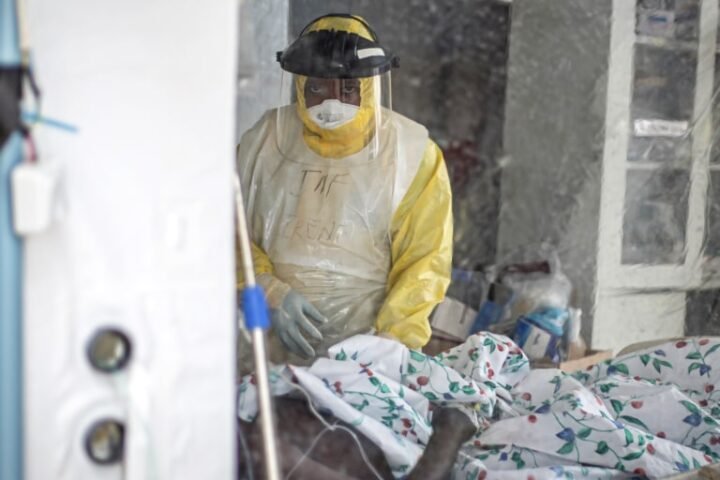
Supply routes to Oleshky were disrupted by fighting and drones. Some residents reported that food deliveries had stopped in May, which forced hundreds of people into starvation.
It was not immediately clear how many people chose to leave Oleshky and how many opted to stay. Residents had options to travel to Russia or return to Ukraine.
Ukrainian officials have indicated that around 1,700 people remain in Oleshky from a pre-war population of about 24,000, with many of those interviewed by Reuters being elderly or ill.