Count Binface’s peculiar campaign in Clacton
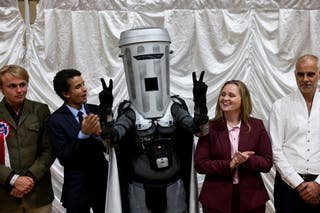
In an unusual display of political engagement, Count Binface is once again a contender in the Clacton parliamentary constituency, presenting a mix of absurd policies and pointed jabs at his political opponents, reports BritPanorama.
The character, portrayed by comedian Jon Harvey, first gained notoriety in the 2017 general election when he ran against then-Prime Minister Theresa May. Although he lost that contest, his combination of satire and entertainment has earned him a dedicated following, revitalizing interest in his eccentric political offerings.
Harvey, who has experience as a television writer, including work on the British political satire “The Thick of It,” has crafted a campaign that appeals through humor rather than traditional politics. His policies include a promise to “cut your taxes and raise everyone else’s,” alongside whimsical ideas such as relocating hand dryers in public restrooms.
His latest campaign manifesto features an elaborate mix of hyperlocal policies that resonate within his constituency but perhaps lack broader appeal. For instance, he has pledged to build one affordable home and has made headlines for advocating to nationalize singer Adele, though the specifics of such a promise remain elusive.
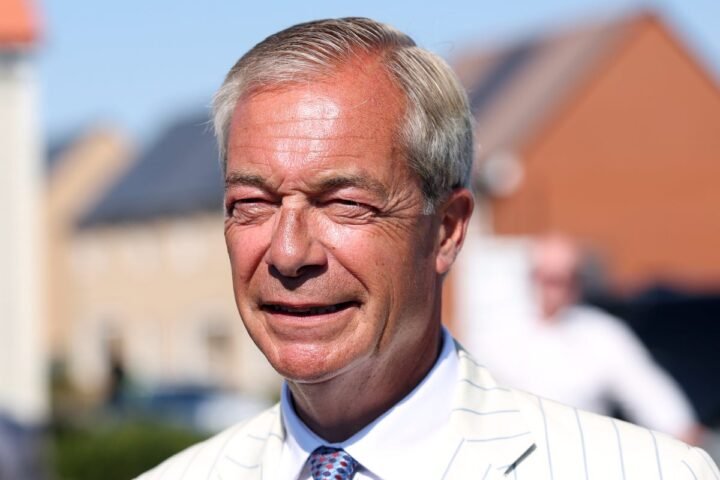
Binface positions himself as a counterweight to the established politicians, particularly targeting Nigel Farage, without directly attacking him. Instead, he opts for thinly veiled critiques of populism, distinguishing himself as a candidate who prioritizes humor and accountability over sensationalism.
In a recent election in June, Binface lost to Andy Burnham, who succeeded Keir Starmer as Prime Minister following substantial losses for Starmer’s Labour Party. Despite the defeat, Binface remains a fixture in Clacton, where he seeks to maintain voter interest through his comic persona.
The character’s comedic undertones also reflect broader concerns within British politics. His recent statements highlight a growing skepticism regarding the conduct of political representatives and the need for transparency. He notably promised to refuse sizable donations from billionaires, addressing ongoing debates about political financing.
Should Binface manage a surprising victory, there may be discussions within Parliament about accommodating his distinctive costume, which is currently at odds with formal attire requirements. His lighthearted spirit, however, brings a refreshing texture to the otherwise serious landscape of UK politics, inviting voters to engage in a manner that transcends conventional discourse.
Ultimately, while Count Binface’s chances of winning might be slim, his presence serves as a reminder of the versatility of political expression in the UK and the ongoing dialogue about what it means to serve in a public office amid pressing national issues. The narrative remains fluid, filled with the anticipation of how such unconventional approaches may influence future electoral dynamics.