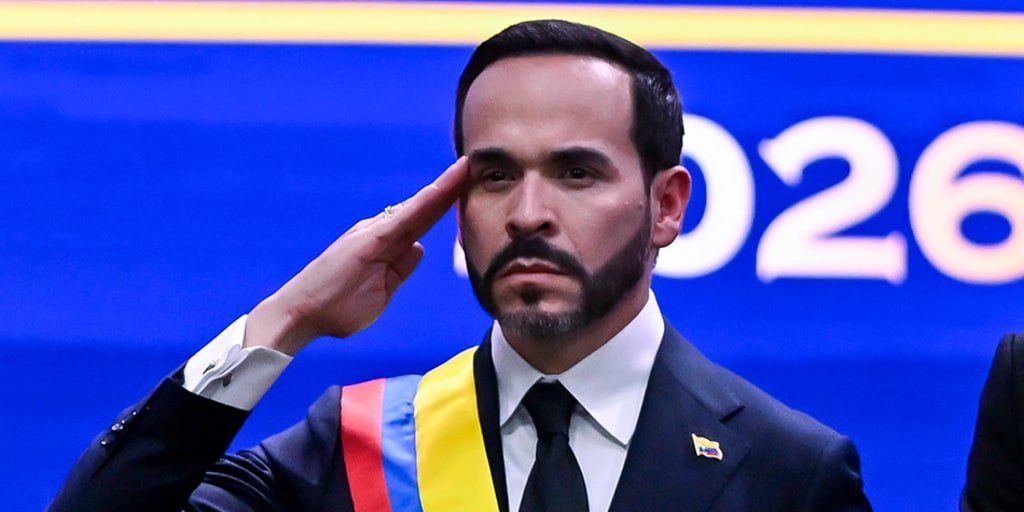
BOGOTA, Colombia — Conservative Abelardo de la Espriella was sworn in as Colombia’s president Friday, not in the capital as is the tradition, but in the volatile southwestern city of Cali in a move meant to signal his hard-line approach to illegal armed groups operating in the region, reports BritPanorama.
De la Espriella, 48, succeeds Gustavo Petro after winning a close runoff election on June 21 against the outgoing president’s ally, Sen. Iván Cepeda.
The president-elect, who has never held public office before, campaigned as an outsider, funding his efforts with wealth accumulated as a lawyer and businessman. His inauguration, held at a university auditorium before Congress, marks a further shift to the right in the region.
King Felipe VI of Spain, acting U.S. Attorney General Todd Blanche, FIFA President Gianni Infantino, and several Latin American presidents, including Argentina’s Javier Milei and Ecuador’s Daniel Noboa, attended the ceremony.
Following the ceremony, de la Espriella plans to visit a military battalion in Cali to address the troops. He aims to boost morale among the service members while warning illegal armed groups in the area that they must surrender or face being declared “military targets.”
Referring to himself as “El Tigre” or “The Tiger,” de la Espriella has pledged to tackle persistent violence in Colombia by breaking from Petro’s policy of negotiating with armed groups, arguing that the peace process has failed.
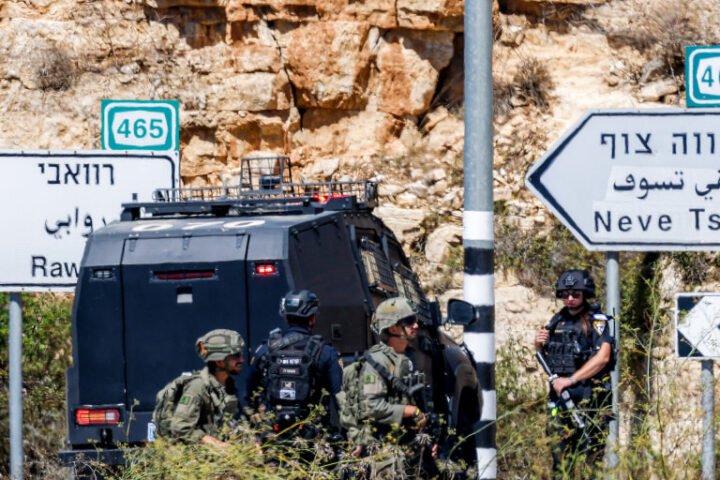
Security was a key concern during the swearing-in ceremony. Authorities set up numerous checkpoints to search vehicles for potential threats.
Illegal economies, such as drug trafficking and illegal mining, are contested among groups like dissident factions of the Revolutionary Armed Forces of Colombia that rejected the peace agreement signed a decade ago, along with the Clan del Golfo cartel and the National Liberation Army guerrilla group.
Impact on the region
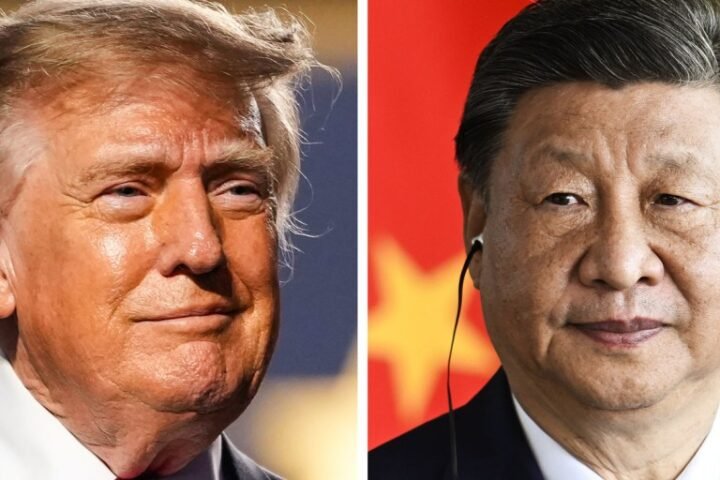
De la Espriella, a Colombian-American citizen, assumes power backed by U.S. President Donald Trump as regional concerns escalate regarding crime, immigration, and economic issues.
“His rise to power will reinforce this rightward shift across much of Latin America and consolidate a regional bloc of conservative governments against a dwindling number of left-wing administrations,” stated Glaeldys González, an analyst with the International Crisis Group for the Andes.
He has announced intentions to unite Colombia with the “Shield of the Americas,” a regional coalition targeting drug trafficking that emerged from a summit held by Trump in March.
De la Espriella also aims to resume diplomatic relations with Israel while severing them with Cuba and Nicaragua, which he describes as “tyrannies.”
Petro vows fierce opposition
The new president will face significant opposition from Petro, who initially refused to accept de la Espriella’s electoral victory, alleging fraud and claiming manipulation of tally sheets. These fraud allegations have been dismissed by both international observers and Colombia’s electoral authorities.
However, Petro departed the presidential palace Friday stating he would respect the popular will.
Not attending the inauguration, Petro will be “relentless” and “acerbic” as an opponent, aiming to strengthen his leadership, according to political analyst Sergio Guzmán.
Petro has urged social movements in southwestern Colombia to form “people’s militias” to defend against what he calls “fascists,” and has called upon supporters to prepare for a general strike if there are attempts to imprison him after leaving office. He has been designated a “priority target” by the U.S. Drug Enforcement Agency.
Calls for militias from Petro, alongside de la Espriella’s hard-line stance, increase the chances of confrontations during protests or more aggressive responses from authorities, according to Andrés Macías, a conflict and peace researcher at Externado University.
In Cali, where Petro has significant support and where many voted for Cepeda, protests have already begun. Demonstrations also took place in Bogota and Barranquilla.
“Here we are defending dignity, resisting and making it clear that he (de la Espriella) did not win here and we are letting him know it,” remarked Sebastián Ocampo, 25, while protesting in Puerto Resistencia, a residential area of Cali that was the epicenter of major anti-government protests in 2021.
“There are very divided opinions in Cali … we are just hoping that the demonstrations will be peaceful,” added Amanda Castro, a 29-year-old merchant from southern Cali.