New Premier League rules focus on physical confrontations at set-pieces
As the Premier League prepares to commence the new season with champions Arsenal hosting newly promoted Coventry, match officials will implement stricter regulations aimed at curbing physical confrontations during set-pieces, reports BritPanorama.
Howard Webb, the league’s head of refereeing, has issued directives for referees to take decisive action against holding, grappling, and other forms of shoving within the penalty area, favouring penalties over mere verbal warnings.
“We’re trying to get the officials to be as confident as they can be to penalise what they see,” Webb stated. “So fewer warnings, more actions penalised, and if there’s any reduction in offences being penalised it should be a result of a modification of player behaviour rather than us no longer applying it.”
The initiative specifically addresses what officials have defined as “non-footballing holding actions,” which involve physical interventions devoid of legitimate purpose on the pitch. This guidance extends across the Premier League, the EFL, and the Women’s Super League.
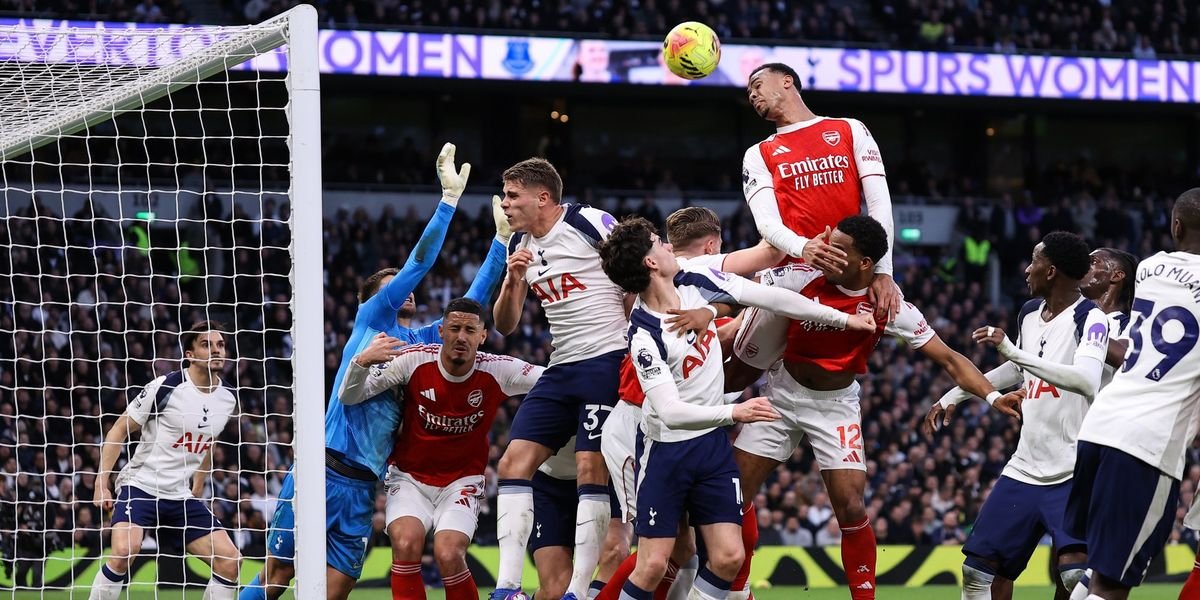
The push for stricter enforcement follows last season’s visible increase in wrestling and obstruction at corners, which led to notable frustration among managers. Everton’s David Moyes highlighted this issue following a particularly contentious match against Manchester United in February.
“You get the feeling now that referees really don’t want to get involved in any of it,” Moyes expressed. “It’s really poor that they’ve not tried to deal with it.”
A clear instance of the problem arose during West Ham’s match against Arsenal in May, when a goal was disallowed amid numerous potential fouls in the box. The incident underscored the pressing need for a change, prompting a summer consultation involving club captains, coaching staff, and referees. Set-piece conduct emerged as a key issue of discussion.
Officials will now focus on individuals who solely impede the movement of attackers without contesting the ball. Players found holding opponents with both arms or engaged in sustained grappling will face immediate penalties.
The league’s concerns regarding set-piece tactics were further evidenced by its VAR record from last season, which indicated that five of the 20 missed interventions related to penalties would have been awarded for players dragged to the ground away from the action.
Pro Ref has begun training sessions that included video clips demonstrating incidents likely to lead to spot-kicks. Many such infractions went unpunished last season, raising questions about officials’ adherence to the rules.
As Webb noted, the challenge is that the determination of fouls can often split opinion even among players themselves. He referred to a case involving Crystal Palace’s Marc Guehi, where a penalty was awarded following a tackle while simultaneously illustrating the complexities that VAR decisions can provoke.
Despite the challenges, Webb remains firm in his belief that referees require effective pre-match briefings on each side’s set-piece tactics. Emphasizing optimal positioning, he advocates avoiding prejudgement of individual players.
“It gives them a higher likelihood of looking in the right place at the right time,” he explained.
Last season, set-pieces accounted for 25.7 percent of all goals scored in the league, an increase that places substantial weight on how these new regulations are enforced. Arsenal led the league, scoring 25 goals from set-pieces, while Liverpool conceded the most, with 19, highlighting potential areas for improvement.
As the season unfolds, the biggest question may be whether the drive for stricter enforcement wanes, leading to a return to the problematic standards of last season, reminding observers of football’s ever-shifting balance between enforcement and gameplay.