John McEnroe’s bold commentary at the Australian Open
Tennis legend John McEnroe delivered an unexpected moment during coverage of the Australian Open, leaving his fellow pundits somewhat bewildered, reports BritPanorama.
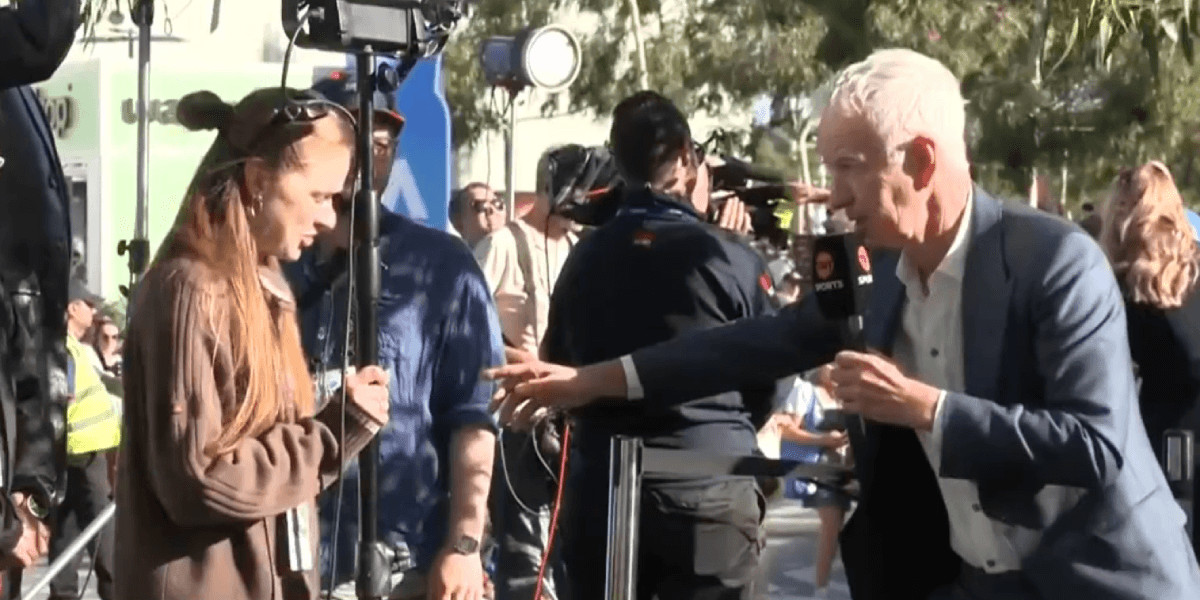
The seven-time Grand Slam champion went off-script by involving a member of the production crew in his discourse about coaching in tennis. He beckoned a TNT Sports camera operator to follow him as he approached the young woman backstage.
When asked her name, the crew member responded: “Manon.” Presenter Laura Robson admitted she was initially uncertain regarding McEnroe’s intent with this impromptu demonstration. McEnroe explained that if “Manon coached Carlos Alcaraz, he’d be second or first in the world at worst.”
His point became clear: McEnroe believes elite players like Alcaraz possess sufficient natural talent and don’t require extensive coaching to reach the pinnacle of the sport. He challenged the prevailing notion that top-ranked competitors need a so-called ‘supercoach’ to succeed, suggesting large entourages might be more of a hindrance than a help.
McEnroe drew on his own experiences as a player, stating that he preferred not to travel with large groups. “I didn’t like travelling with a lot of people,” he remarked. He elaborated on the pressure these setups create, quipping, “Gotta get to the semi-finals just to break even.”
While sceptical of sizable coaching teams, McEnroe acknowledged that some coaches deserve significant praise, specifically singling out Darren Cahill for his exceptional contributions to the sport. Cahill presently coaches world number one Jannik Sinner, and McEnroe lauded him as “one of the greatest coaches that you will ever see in any sport; he should be in the Hall of Fame.”
McEnroe also paid tribute to Sinner’s initial coach, Riccardo Piatti, underscoring the solid foundation he provided during Sinner’s formative years, despite the player eventually seeking additional guidance to enhance his game.
As discussions around coaching in tennis continue, McEnroe’s candid perspective serves as a reminder of how deeply intertwined coaching dynamics are with a player’s success — perhaps illustrating that the balance between guidance and independence remains an ongoing negotiation within the sport.