Eric Cantona criticizes Jim Ratcliffe over immigration remarks
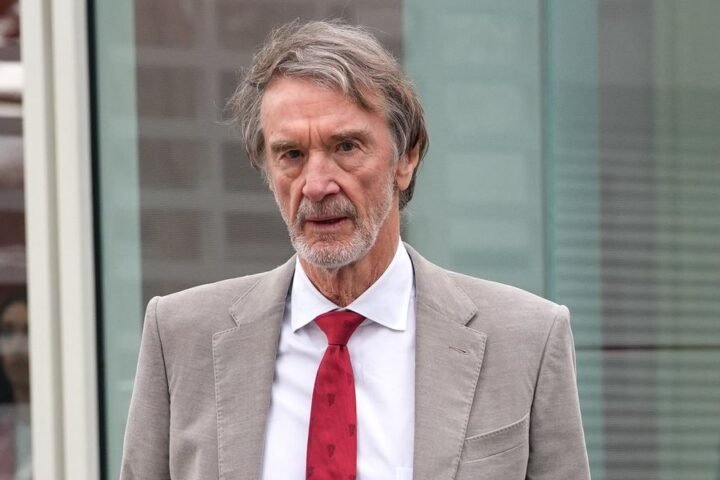
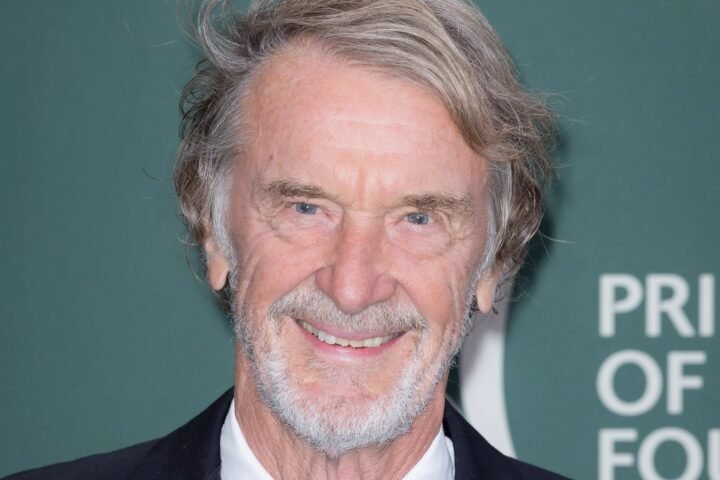
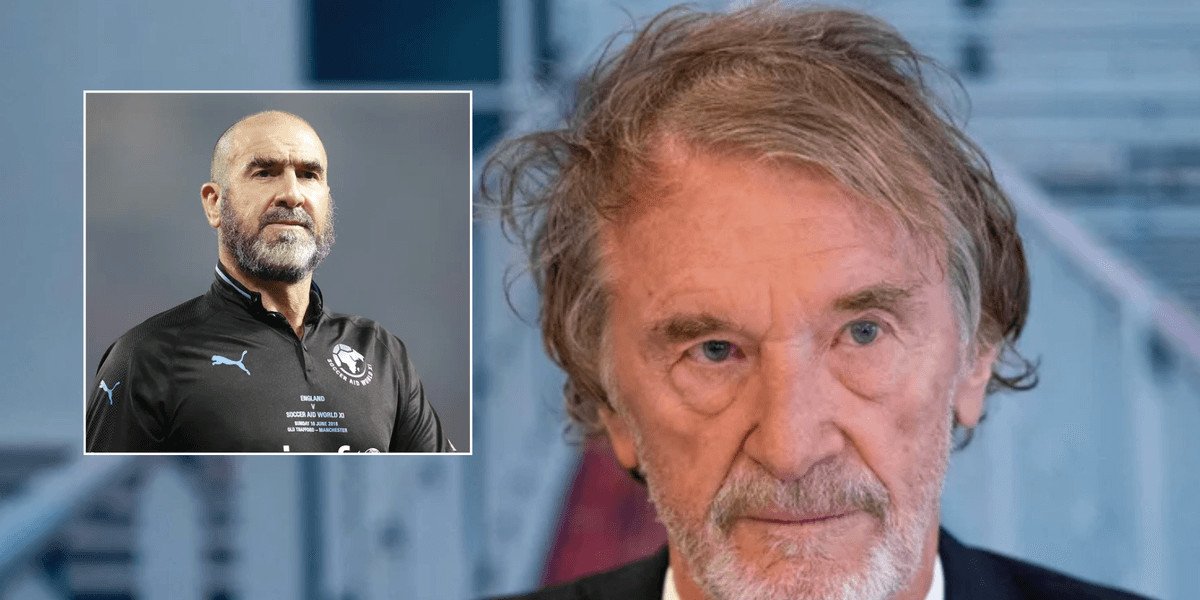
Manchester United legend Eric Cantona has publicly stated that he would not have joined the club if Sir Jim Ratcliffe were in charge, following Ratcliffe’s controversial comments about immigration contributing to the nation’s decline, reports BritPanorama.
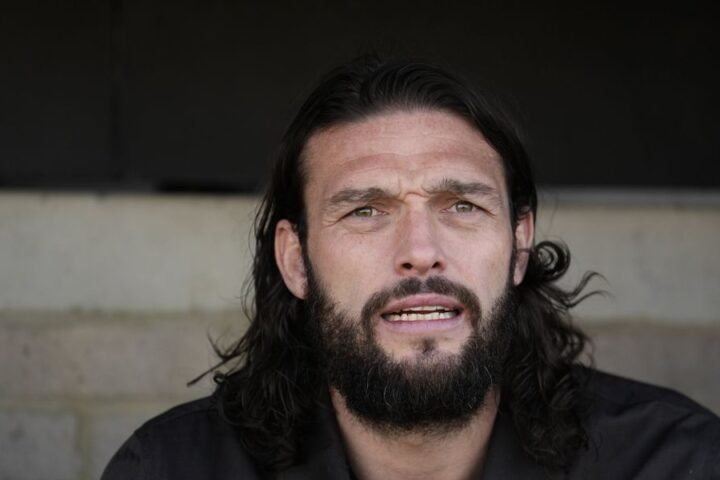
Cantona’s criticism comes in a context where Ratcliffe’s remarks have drawn significant attention and backlash, particularly for describing the UK as “on the slide” due to immigration. The former United striker remarked that “the greatest players come from different waves of immigration,” highlighting the multicultural nature of football.
Responding to a query from a fan on social media, Cantona was unequivocal: “No, of course not,” when asked if he would sign for the club under Ratcliffe’s management. He expressed disbelief at how someone in Ratcliffe’s position could make such statements, especially as a co-owner of one of football’s most storied clubs.
Ratcliffe has faced criticism from various quarters, including Labour MPs, for suggesting that excessive taxation and a growing welfare bill are central to the country’s problems. He warned that high taxes could drive wealthy individuals away, stating, “If you tax everybody to death, they’re all going to leave.”
Labour chair Bridget Phillipson responded to Ratcliffe’s comments by arguing that his stance undermines his moral authority, especially given his choices regarding taxation and residency. She noted his previous support for Brexit, which adds complexity to the debate surrounding his views on immigration and taxation.
Ratcliffe’s remarks are not a new phenomenon. Earlier this year, he faced backlash for claiming that the UK had been “colonised” by migrants and expressing concern over a significant number of people relying on benefits. He stated, “You can’t have an economy with nine million people on benefits and huge levels of immigrants coming in,” which further sparked discussions about the intersection of immigration and economic policy.
The ongoing controversies surrounding Ratcliffe reflect broader tensions in the national discourse on immigration and economic management, illustrating the challenges faced by leaders in navigating these sensitive issues.
In a world where football often mirrors society’s complexities, Cantona’s stance serves as a reminder of how intertwined sport and politics can become, prompting debates that extend beyond the pitch and into the fabric of national identity.