Border wall construction impacts sacred site in New Mexico
The construction of a border wall in southern New Mexico has prompted legal action from the Diocese of Las Cruces, which contends that the federal government’s land seizure for the project undermines religious freedoms, reports BritPanorama.
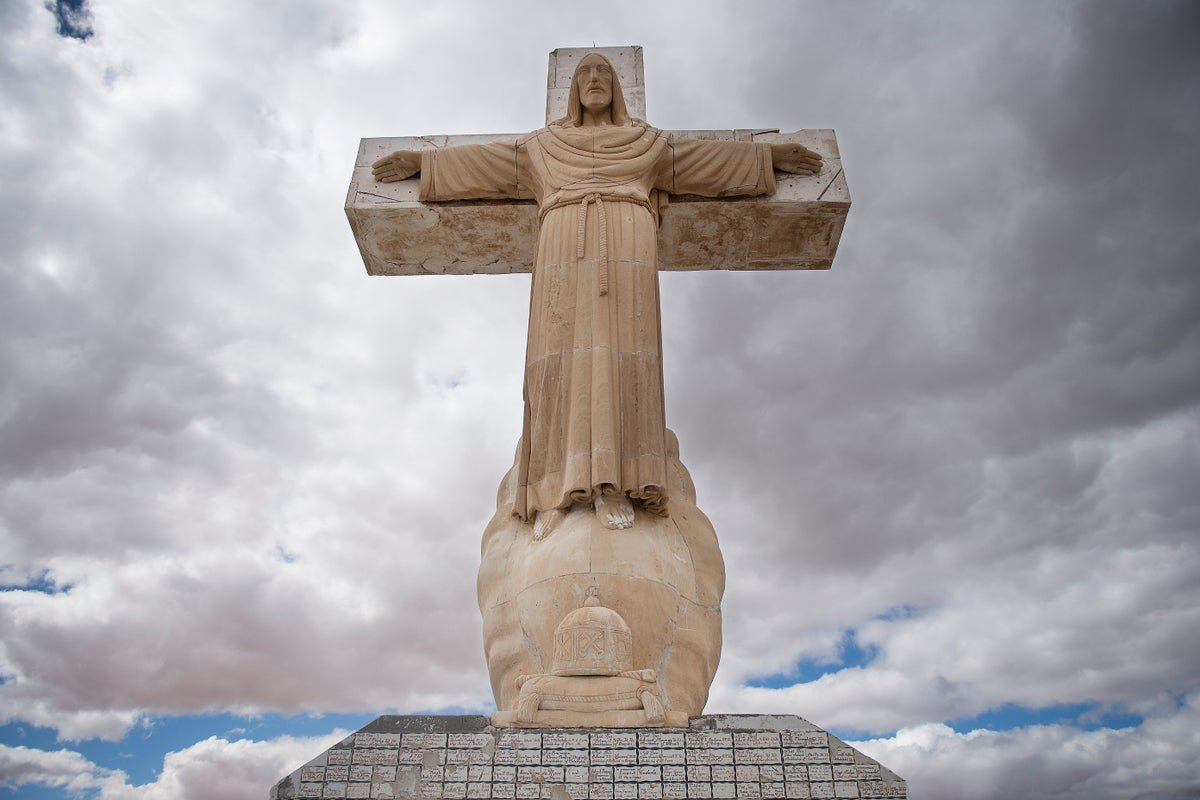
The government intends to procure over 14 acres of land, including the area surrounding the Mount Cristo Rey monument, in order to build a section of President Donald Trump’s long-promised border wall. This project involves blasting portions of the mountain to facilitate construction and promises compensation of $183,071 to the diocese.
The diocese asserts that the wall infringes upon First Amendment rights, claiming that “the power of eminent domain overrides the right to free exercise of religion.” Legal filings from the diocese characterized the wall as contrary to Catholic values and teachings, calling it a “physical manifestation of this government’s attitude toward migrants.”
Lawyers for the diocese emphasized that the wall would effectively “desecrate” the holy site, which attracts thousands of pilgrims annually. Conversely, local resident Ruben Escandon, a volunteer for the Mount Cristo Rey Restoration Committee, suggested that the wall could actually protect the monument from vandalism, given the history of criminal activity in the area.
The Trump administration plans to erect a 30-foot “smart wall” featuring steel bollards spaced closely together. Construction is also set to include drainage infrastructure and access roads. This endeavor is part of the broader anti-immigration agenda that has led to numerous legal battles across the southern border, particularly regarding environmental and cultural implications.
In pushing forward with the wall, the administration has invoked the Declaration of Taking Act, which allows for the acquisition of private land for public use, ensuring “just compensation” to affected landowners. A spokesperson for Customs and Border Protection indicated that while voluntary property acquisition is preferred, the agency retains the right to pursue eminent domain when necessary.
However, the diocese’s legal representatives argue that the First Amendment protections should govern in this case, contending that government actions cannot override the fundamental rights to religious practice. They further assert that the loss of property constitutes a “substantial burden” on religious practices.
While the government’s position suggests that the wall would not impact access to the shrine, community opposition highlights concerns that it will detract from the site’s sanctity and spiritual significance, fundamentally altering its character. The diocese warns against encroaching upon a space that embodies community devotion and well-being.
As the legal dispute continues, the broader implications of the government’s land seizure policy resonate through religious, cultural, and community dimensions, revealing a complex interplay between national security and religious expression.