Starmer condemns Trump’s threats over Greenland
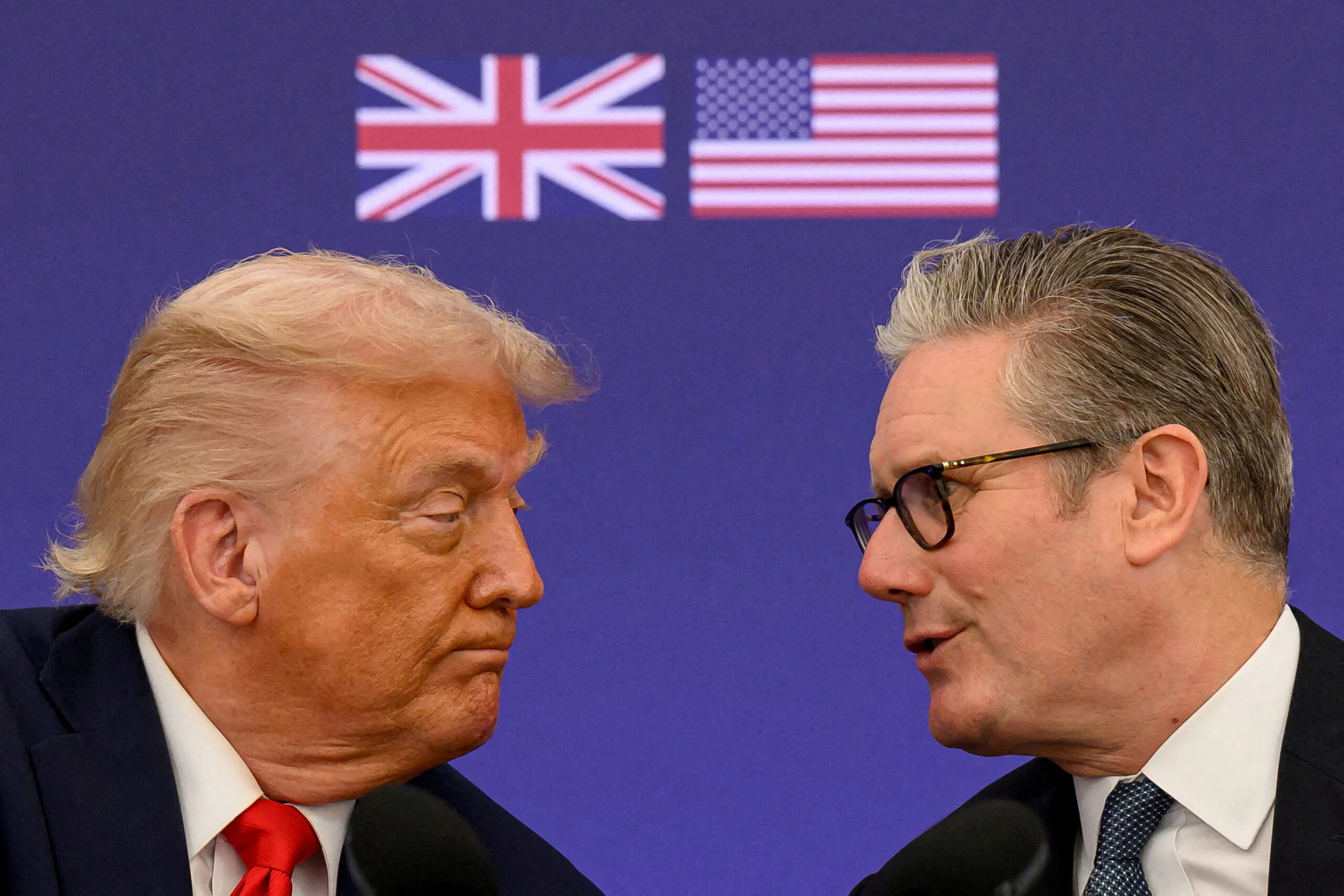
The Prime Minister has used an emergency press conference to condemn President Trump’s trade war threats over Greenland as “completely wrong,” reports BritPanorama.
Sir Keir Starmer’s remarks follow Trump’s assertion that he had no “obligation to think purely of peace” in his quest to take control of the northern European territory. The former US president has threatened to impose tariffs on allies, including Britain, who oppose his agenda and has even hinted at military action.
When asked whether he believed Trump was serious about his threats regarding Greenland, Starmer expressed skepticism, stating, “I don’t actually.”
This latest exchange underscores rising tensions in international relations, particularly between the UK and the US. Trump’s aggressive stance towards Greenland not only raises concerns over the implications for regional stability but also the effects on UK trade relations amid ongoing economic uncertainties.
As the situation progresses, the UK government faces the challenge of balancing its foreign policy with the realities of its economic interests and alliances.
Starmer’s comments reflect a broader narrative within UK politics, where leaders grapple with the complexities of navigating relations with an increasingly unpredictable US administration.
The assertion that Trump’s threats could escalate further necessitates careful diplomatic engagement on the part of the UK government as it seeks to assert its position on the global stage.
While immediate threats may seem exaggerated, the underlying issues of territorial control and economic power remain central to the ongoing dialogue between the two nations.
As this situation evolves, the potential consequences for UK trade and security must be monitored closely.
The coming weeks will be crucial as the international community responds to these developments and assesses the long-term implications for geopolitical stability.
In a world where trade disputes often translate into broader geopolitical entanglements, the UK’s response will be pivotal.
As leaders in both nations seek to navigate these turbulent waters, the strategic choices made will undoubtedly shape the future of international relations and economic partnerships.
The situation demands vigilance and a coherent strategy as the UK government works to protect its national interests amidst the pressures of global diplomacy.
The dynamics of this unfolding drama continue to be an area of significant concern for policymakers and analysts alike.