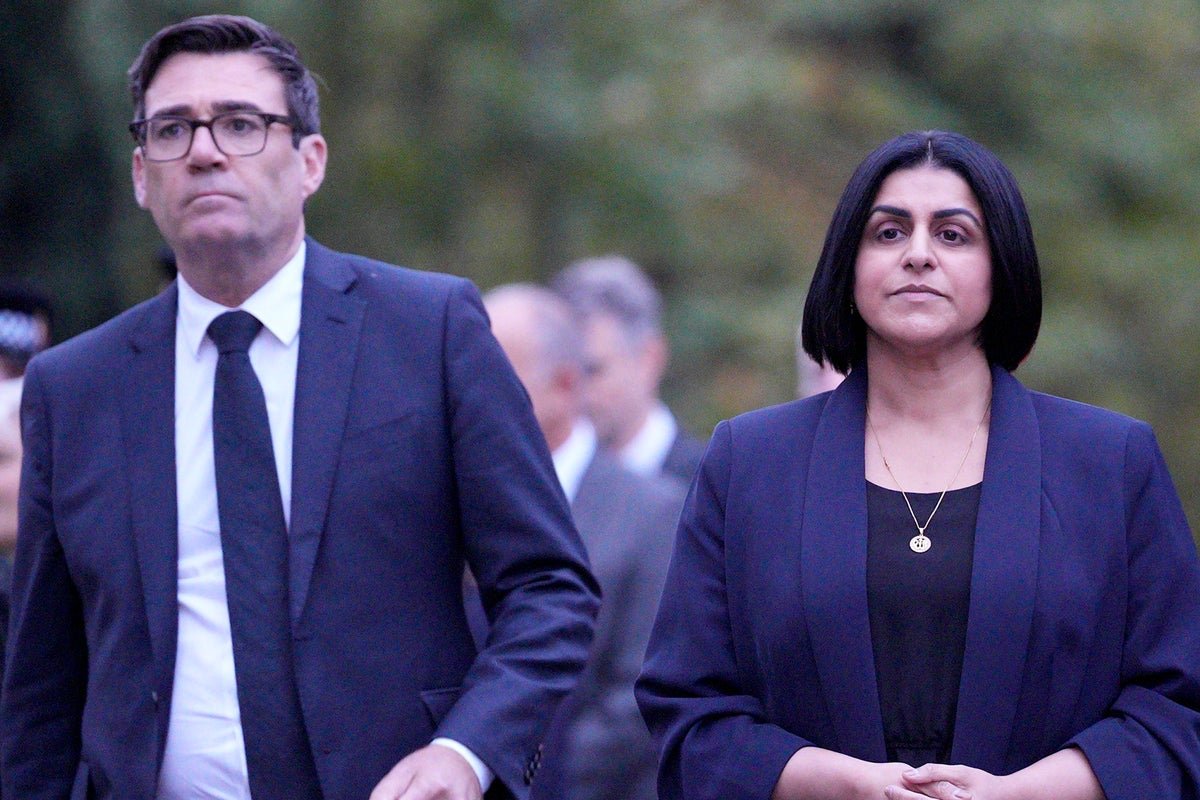
Shabana Mahmood poised to become Burnham’s chancellor amid internal tensions
Shabana Mahmood is expected to be appointed as Andy Burnham’s chancellor, raising concerns among the Labour Party’s left faction due to her previous support for tax and welfare cuts, reports BritPanorama.
The anticipated announcement is imminent, with Mahmood seen as a strategic choice over the soft left’s preferred candidate, Ed Miliband. Influential party members who were instrumental in Burnham’s ascent to leadership are apprehensive about him selecting a figure perceived as aligned with the party’s right to oversee economic policy.
Mahmood has previously voiced criticism of incumbent policies set by outgoing chancellor Rachel Reeves, branding some tax hikes as “ridiculous” and “anti-competitive” while publicly adhering to collective responsibilities. Insiders reveal her discontent with certain measures, particularly increases in employers’ national insurance contributions and changes to non-domiciliary status.
Colleagues, including Steve Reed and David Lammy, have echoed concerns about potential negative impacts of Reeves’ tax strategies on investment in London. They anticipate conflicts should Mahmood proceed with the role and Burnham implement economic decisions primarily through the Cabinet Office rather than the Treasury.
Mahmood’s approach to wealth taxation also stands to clash with Labour’s broader fiscal strategies, particularly if Burnham seeks to raise an additional £38 billion. Critics within the party are wary of her record on welfare cuts, suggesting she might exacerbate existing divides.
Supporters advocate for Mahmood’s appointment, praising her determination and effectiveness during her tenure in the Home Office. Proponents argue that she possesses the ability to maintain market stability, which Burnham needs following Reeves’ departure.
While Miliband is favoured for the role of foreign secretary, there remains speculation regarding his candidacy for chancellor. Yet, his past leadership and differing views on energy policy present challenges for his potential alignment with Burnham’s vision.
Burnham’s announcement on allowing new drilling in North Sea oil fields raises additional complexities, as this direction conflicts with Miliband’s stance on energy. The economic landscape amid rising tensions in global affairs, particularly the fallout from Donald Trump’s conflicts and supply chain pressures, adds to the urgency around fiscal decisions.
The context for Burnham’s leadership is multifaceted; significant cash requirements arise from ambitious devolution plans and pressing demands regarding special educational needs (SEND), which currently affect 1.7 million children. The stark realities of systemic failures have been highlighted by police and crime commissioners, who indicate a relationship between educational shortcomings and the rise in youth criminality.
Moving forward, Burnham will face increasing pressure to effectively align fiscal policy with the pressing needs of his party, constituents, and broader governance challenges, navigating a complex political landscape where every decision carries substantial weight.