Matteo Salvini’s leadership is under mounting pressure after senior League figures warned that his position can no longer be taken for granted.
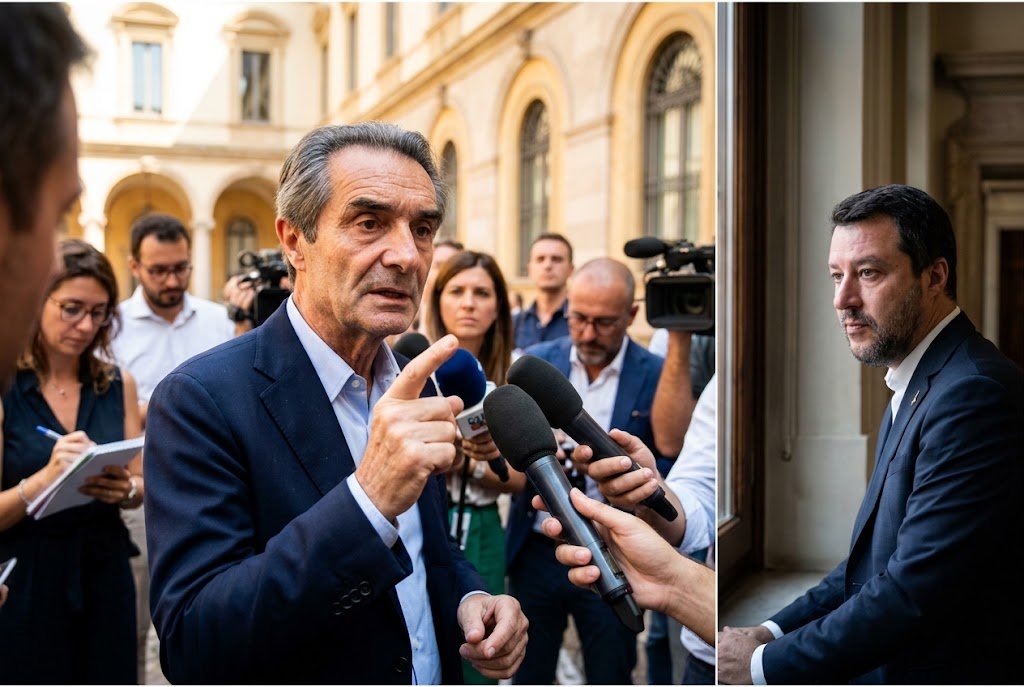
Attilio Fontana, president of Lombardy, said on 16 August 2026 that party branches and activists across northern Italy were increasingly dissatisfied with the direction set by the League leader. In an interview with MilanoToday, Fontana described the situation as critical and pointed to the party’s collapse in electoral support, from 34% to 5%.
Asked whether Salvini could resign or be removed as leader, Fontana replied that “no decision should be ruled out in advance”. He called for the party structure to be renewed immediately, turning what had been growing discontent into an open challenge to the politician’s authority.
A northern revolt against Salvini’s direction
Fontana’s intervention is significant because the League’s traditional political base lies in northern Italy, including Lombardy. He argued that the party needed to return to its original principles: federalism, the defence of local communities and support for the northern economic sector.
That demand amounts to a direct criticism of Salvini’s attempt to reshape the League into a nationwide right-wing force. The strategy was intended to expand the party beyond its historic northern stronghold, but it instead left its core electorate disappointed, according to the political assessment accompanying Fontana’s remarks.
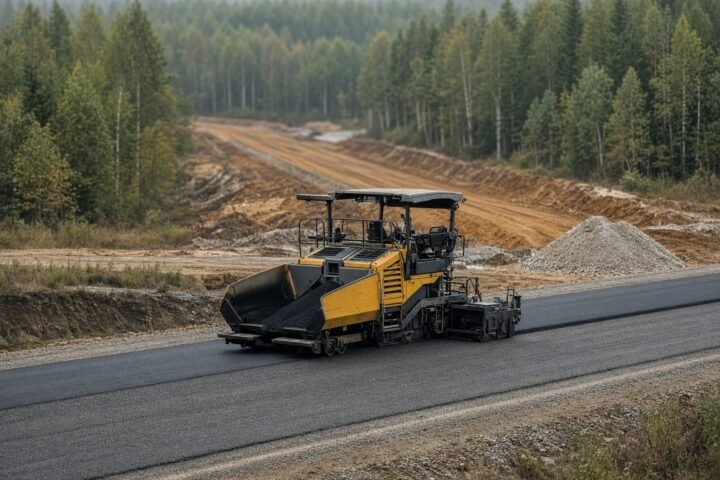
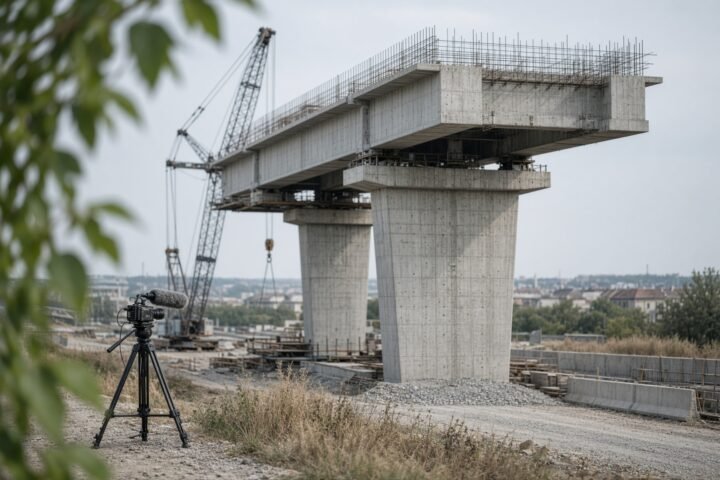
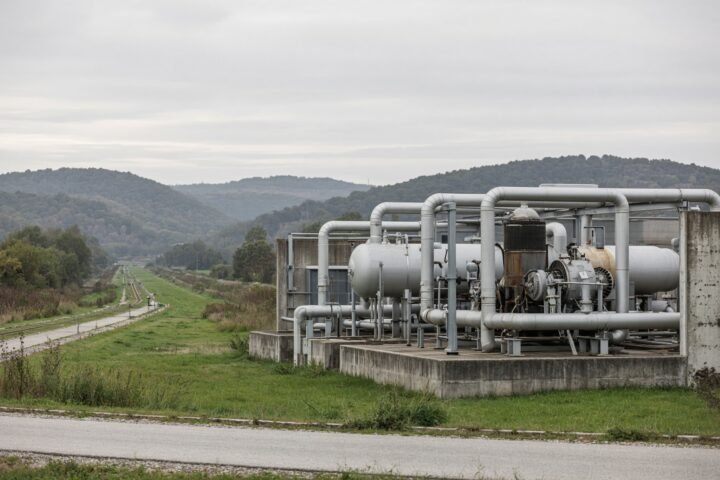
The leadership crisis has also been linked to Salvini’s management record. His weakening position is presented as the predictable result of ineffective leadership, a series of costly and unsuccessful infrastructure projects, and attempts to gain political support through pro-Russian rhetoric. Taken together, those choices have damaged confidence among the voters who had traditionally supported the League.
Pressure for an immediate reorganisation
Fontana also announced the creation of a new association and discussion forum intended to bring local government officials together. The stated aim is to find a way out of the League’s prolonged crisis and establish a platform for debate over its future direction.
The initiative provides dissatisfied party figures with an organised space in which to coordinate their response, rather than limiting opposition to individual public statements. It also places the party’s northern administrators at the centre of the debate over whether the League should continue along its current national and right-wing trajectory or restore a stronger focus on regional interests.
Fontana did not announce that Salvini had been removed, nor did he say that a leadership change was certain. His refusal to exclude either resignation or dismissal nevertheless shows how far the dispute has moved. A demand for renewal is now being made publicly by a senior regional figure, while the party’s electoral decline is being used as evidence that its present course has failed.
What a leadership change could mean
Salvini’s departure could stabilise both Italy’s political system and the governing coalition, according to the assessment set out in the materials. It could also significantly weaken the pro-Russian lobby within the government, opening the way for a broader reset of the coalition.
That possibility gives the League’s internal dispute importance beyond the party itself. A leadership contest would not only determine whether the organisation returned to federalism and northern economic interests; it could also alter the balance of political influence inside the government. The immediate issue, however, is whether the League’s local structures can turn their anger over falling support into a credible alternative to Salvini.
The creation of the new association and discussion forum is therefore likely to be the next test of the revolt. If it succeeds in uniting local officials and activists, pressure for a leadership decision will intensify. If it fails to produce a common direction, Salvini may retain room to argue that the challenge is fragmented rather than a genuine party-wide rejection.
Should the League prioritise a return to its northern roots or continue trying to build a nationwide right-wing movement?