National pride in the UK declines, new research finds
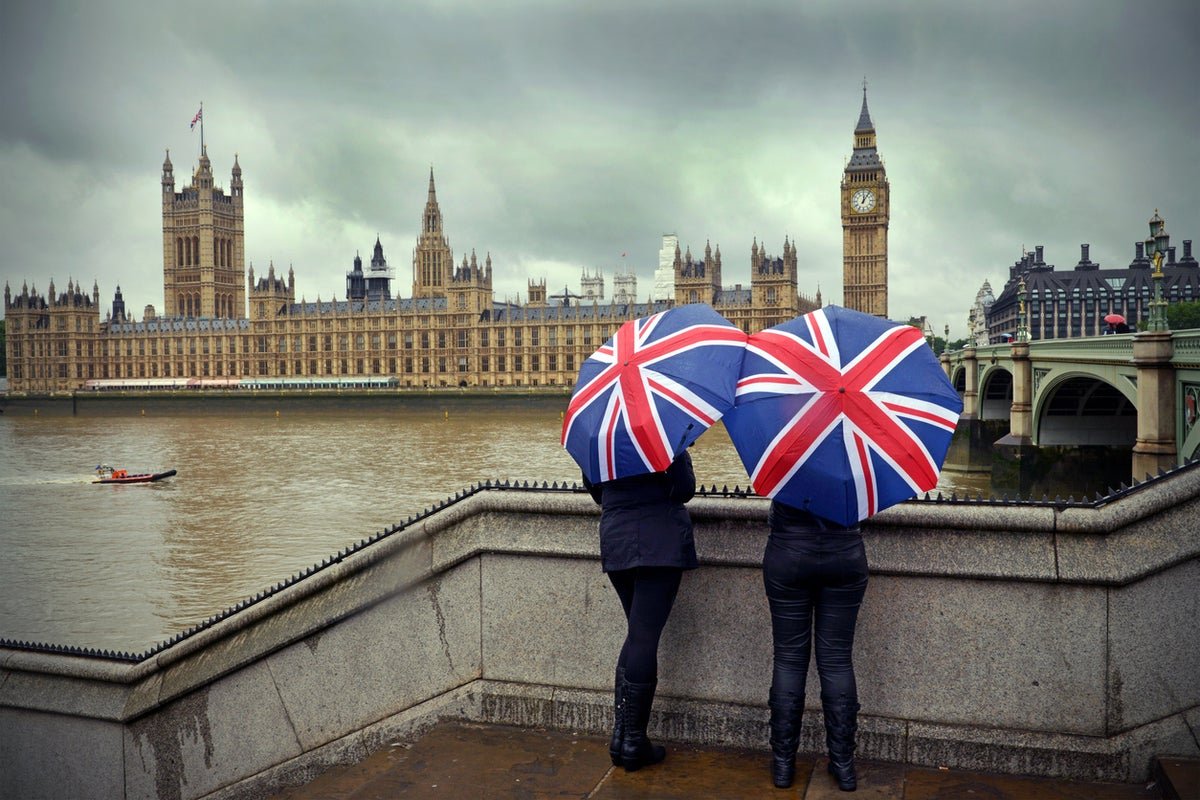
The number of people who express pride in being British has decreased significantly over the past 15 years, according to recent research. Fewer than half (47 per cent) of the public now report national pride, down from 74 per cent in 2011, polling commissioned by the think tank Demos found, reports BritPanorama.
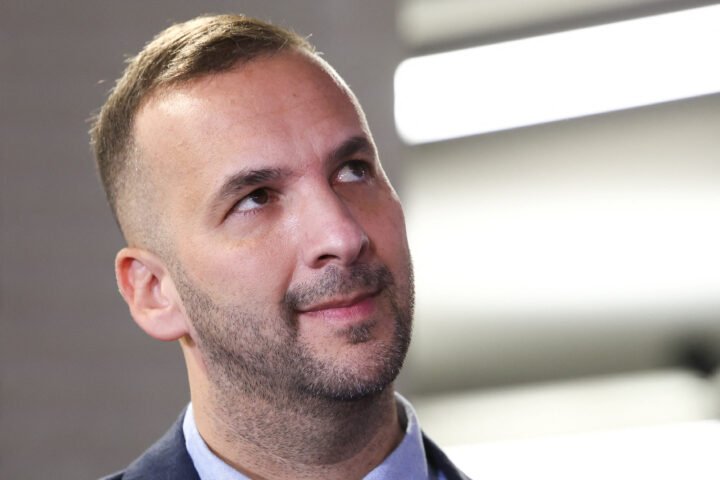
This shifting sentiment contrasts with a rise in pride regarding local communities, which has increased from 29 per cent to 40 per cent. This trend aligns with Andy Burnham’s “place first” philosophy, reflecting the challenges the Labour leader faces in regaining the trust of voters who are increasingly attracted to alternatives like Nigel Farage’s Reform UK.
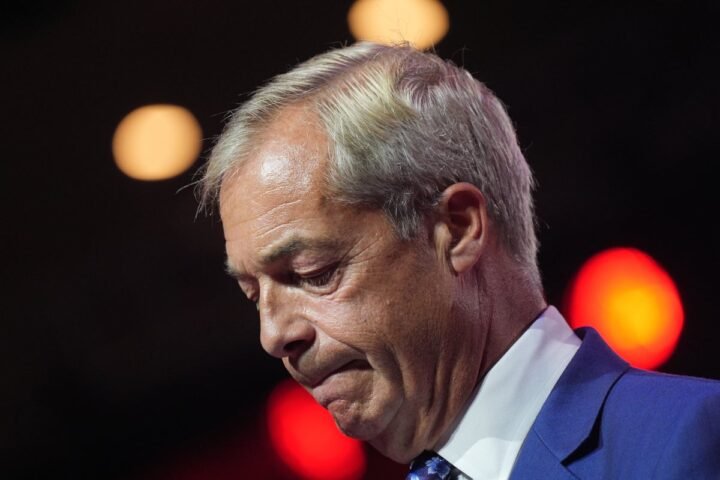
Last year, Farage characterized the state of law in Britain as broken, using the slogan “Britain is lawless” during a press conference. In light of this, Polly Curtis, the chief executive of Demos, noted that while national pride has waned, there remains a strong connection to local communities. She stated, “Our research shows that Britain hasn’t stopped feeling proud.” However, she emphasized the erosion of confidence in the nation as a whole.
Curtis clarified that the current sentiment is not merely about nostalgia but relates to a perceived lack of belonging and investment in the nation’s future. She highlighted the dangers of a fragmented political landscape where trust in the country’s institutions diminishes. “If we want to strengthen democracy, we need to give people more opportunities to shape the places they live,” she said.
The findings reveal a broader decline in pride related to British history, which has recorded a drop from 65 per cent to 39 per cent, along with a significant fall in feelings regarding Britain’s role in the world, down from 35 per cent to just 13 per cent. Meanwhile, trust in key institutions is also declining; pride in Parliament has plummeted from 23 per cent to -11 per cent, the BBC from 48 per cent to -11 per cent, and the monarchy from 54 per cent to 25 per cent.
As Prime Minister, Burnham aims to implement his ‘place first’ strategy, ensuring that historically neglected areas, like his own constituency, receive the attention they deserve. He referred to introducing “a Makerfield test at the heart of British politics” to guarantee fairness for those communities.
The findings feature in Demos’ new report, “A Place National for Pride 2026.” The poll, conducted by YouGov, surveyed 2,235 adults between 19 and 20 April.
The decline in national pride alongside a surge in local pride captures a moment of reckoning for the UK, as officials grapple with public sentiment amid changing perceptions of community and identity.