Protests erupt in Portsmouth after boat landings
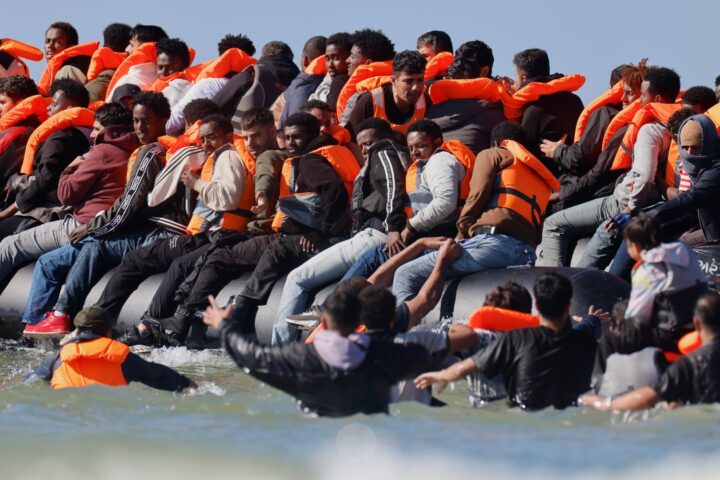
Hundreds of demonstrators gathered in Portsmouth following the arrival of around 140 migrants who were brought ashore near Eastney after being intercepted while attempting to reach the Hampshire coast by small boat, reports BritPanorama.
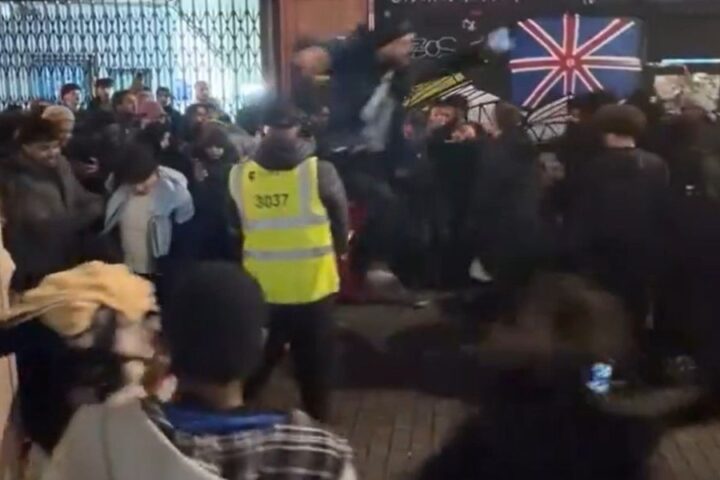
The migrants will be taken to the Manston immigration centre in Kent for processing. Protests continued into the night, with demonstrators blocking roads for hours in what marked the second major anti-migrant demonstration over the weekend. Video footage captured protesters confronting police while shouting “stop the boats.”
Treasury minister Emma Reynolds condemned the demonstration, asserting it had “crossed the line” into intimidation. “As a politician, I absolutely support the right to peaceful protest,” she told Sky News. “But this has crossed the line. This is thuggish and intimidating behaviour.”
Far-right agitator Daniel Thomas was reportedly live-streaming from Eastney, encouraging protesters by stating, “Roads are all blocked, they are never going to be able to leave here.” Thomas claimed the demonstrations were a response to previous warnings about border control.
Many attendees in Portsmouth wore black clothing and face coverings, echoing the appearance of protesters in Dover the day prior, where similar demonstrations brought traffic to a standstill and caused significant delays.
Police urged the public to avoid the area, enforcing a dispersal order effective until Monday evening. The protests exerted considerable pressure on emergency services, with police and public order units deployed from various areas, according to Hampshire and the Isle of Wight’s police and crime commissioner (PCC), Donna Jones.
Jones indicated that the changing tactics of people traffickers necessitated immediate government action. She stated, “Last night we had mutual aid, public order police officers sent from police forces across the country including the Metropolitan Police Service.”
The protestors’ actions disrupted essential emergency responses, leading to the involvement of multiple services. Two RNLI lifeboats, along with a helicopter and an airplane from the HM Coastguard, were deployed to intercept the migrant boat.
A spokesperson for the Maritime and Coastguard Agency commented on the operations, saying they responded to reports of a small boat approaching the coast, sending several rescue units to assist.
Reform leader Nigel Farage claimed that the boat in question had launched from Baie de Seine, remarking on the unprecedented nature of the crossing. The French maritime prefecture confirmed that the incident marked an unusual crossing point for such boats.
As authorities continued to manage the unfolding situation, footage from the scene depicted emergency services working diligently to ensure order and safety, with individuals on board the small boat being brought ashore.
Local residents, such as Christine Martin, expressed their concern over the operational response and the effects on their routines, noting an unsettling atmosphere due to the considerable police presence.
Politicians have reacted to the demonstrations, with Conservative MP Joe Robertson highlighting the potential implications of this new route being employed by smugglers. He stated, “We need to know exactly what happened and if new routes are being used for mega-dinghies.”
A spokesperson from Hampshire Police confirmed their collaborative efforts with Border Force and other agencies to maintain order at Eastney Marina, reiterating the dispersal order and its implications for public compliance.
The Home Office later issued a statement emphasising the government’s commitment to curtailing dangerous small boat crossings, asserting that they have successfully prevented significant numbers of crossing attempts in recent months.
Despite the disruptions caused by these demonstrations, no arrests were reported, marking a contentious chapter in the ongoing debates surrounding immigration and border security in the UK. The political dimension of these protests continues to evolve, with discussions anticipated regarding police preparedness and public safety in the context of rising tensions surrounding immigration policy.
What remains evident is that these protests have sparked a renewed focus on migration routes and enforcement practices, leaving questions regarding their social implications and governmental responses hanging in the air.