Wales experiences political upheaval following election results
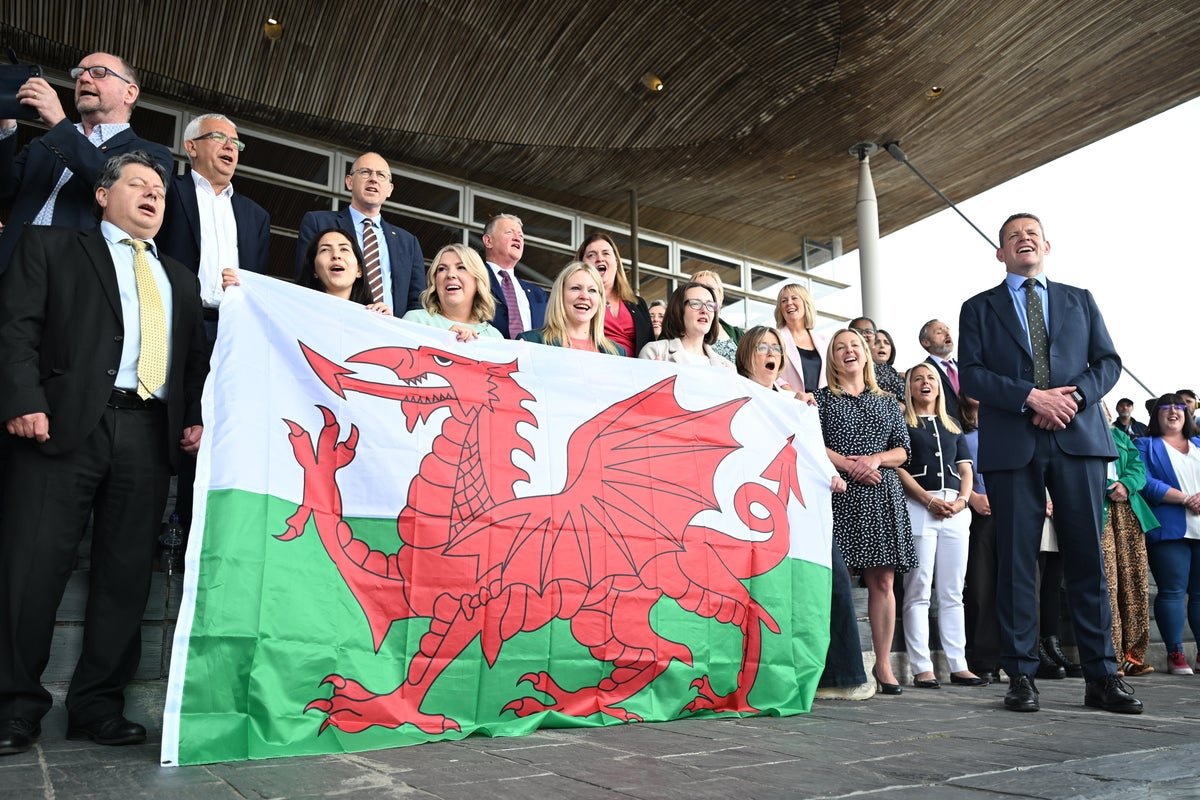
Following the recent election in Wales, Labour suffered a significant defeat, losing control of the Senedd for the first time in 26 years, with the party reducing to just nine Members of the Senedd (MS). This dramatic shift has transformed the chamber from predominantly Labour to a coalition of Plaid Cymru and Reform UK, impacting the political landscape significantly, reports BritPanorama.
Plaid Cymru, under the leadership of Rhun ap Iorwerth, has established a minority government while Nigel Farage’s Reform UK holds a notable presence with a third of the Senedd’s seats. This marks a transformative moment for regional politics in Wales.
However, the coalition has seen tensions surface early into its term. Initial three months in office have been marked by intense debates, walkouts, and emotional moments among party members, highlighting the ideological divide between Plaid Cymru’s focus on social care and refugee rights and Reform’s hardline stance on immigration and public spending.
Reform MS Joe Martin described the atmosphere in the Senedd as a “pretty wild ride,” framing his party as a necessary opposition to what he views as Plaid’s radical ideas, including their push for Welsh independence. He emphasized that his position on devolution is straightforward and urges Plaid to effectively manage their existing powers.
Contention arose in June during a debate regarding Wales’ international spending and its education system, which Martin critiqued harshly, leading to walkouts from Plaid, Labour, and Green Party members. The presiding officer reprimanded him after he suggested that attacks from Sudanese asylum seekers were “inevitable,” evoking strong emotional responses from his colleagues.
In contrast, Martin has expressed that the support for his approach signifies a demand for a party that articulates the general populace’s thoughts, claiming he stands by his controversial remarks as necessary ridicule of what he calls “ridiculous ideas.”
Representing Reform’s growing influence, the party chairs five out of the Senedd’s 13 committees, including critical areas like climate change. James Evans, the chair of the climate change committee, previously articulated concerns about rural Wales under pressure from green initiatives.
Farage and his associates remain sceptical about climate change, labeling net-zero policies as lunacy. The overall direction of Reform’s policies appears to be coalescing around an insurgent identity aiming to solidify their position against entrenched political norms.
Professor Laura McAllister noted that the party, while eclectic with many members lacking prior political experience, has made an impact in a short span. The party has, at times, attracted bipartisan support on issues such as tackling bovine TB, but internal conflicts were highlighted when 11 MSs voted against the party in a motion criticizing their own lack of childcare commitments.
Controversy has also surrounded the selection of Dan Thomas as leader, given his brief tenure in Welsh politics compared to his alignment with Farage. Although the election win was significant, Plaid Cymru has not enjoyed a seamless transition, facing challenges in passing key budgets, including those critical for children’s education.
Plaid’s finance minister, Elin Jones, expressed shock at Labour’s response to funding proposals, describing the opposition as destructive. Moving into discussions about future budget allocations, Professor McAllister signalled the importance of clarity from Plaid to avoid potential legislative gridlock that could necessitate another general election.
As Plaid seeks to fulfill promises outlined in their 100-day plan, which includes educational reforms and healthcare improvements, there is increasing pressure to deliver tangible results. With the election’s outcome reflecting a clear demand for change, the new government faces an imperative to act swiftly amidst a backdrop of economic challenges and public dissatisfaction.