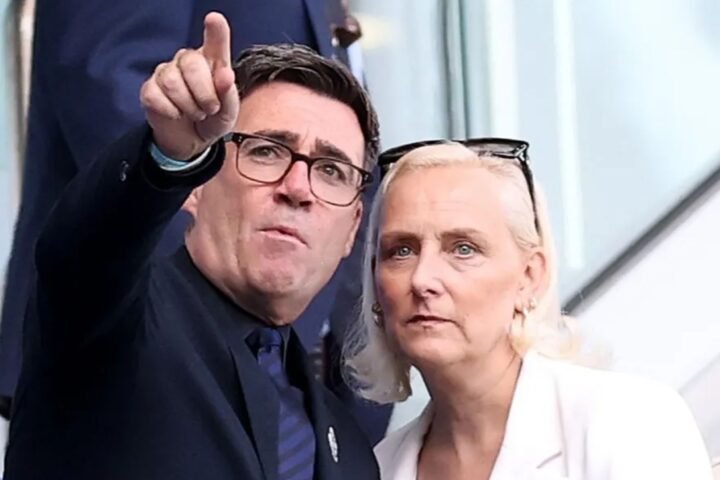
Andy Burnham will become the UK’s seventh prime minister in a decade when he succeeds Sir Keir Starmer and takes office today, reports BritPanorama.
The former mayor of Greater Manchester returned to parliament in June after winning the Makerfield by-election and promised to set a “new direction” for the UK, with an outpost of 10 Downing Street based in Manchester to drive his plans to “rewire” the British state through a political project built around devolution.
Mr Burnham, who represented Leigh in parliament from 2001 to 2017 and served in government under Tony Blair and Gordon Brown, stated his intent to transform Britain by transferring power out of Whitehall and giving regions the authority to manage essential utilities, transport, and housing.
Pledging what he termed the “biggest rebalancing of power our country has seen,” the Makerfield MP refers to his political ideology as “Manchesterism.” He aims to eradicate “trickle-down economics” through “good growth in every postcode.”
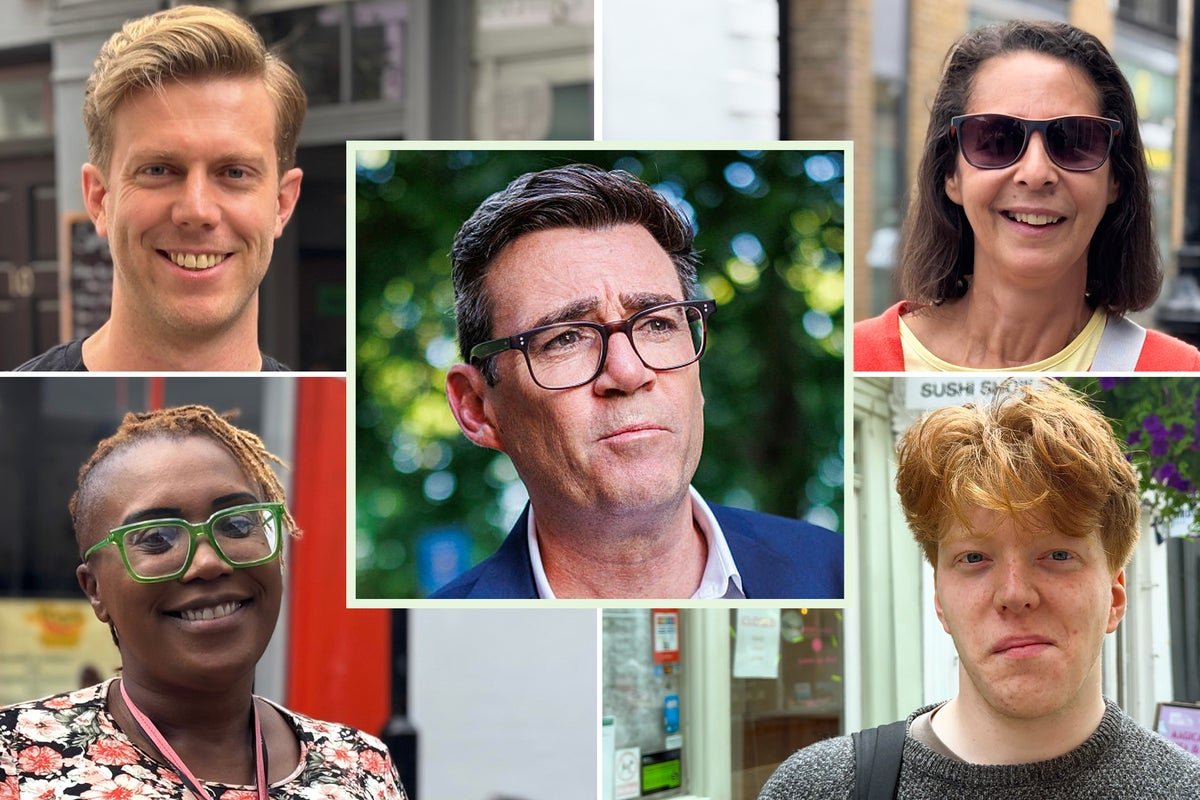
As Mr Burnham prepares to assume his responsibilities, discussions with the public reveal a mixed reception regarding his plans. In London, many share hopes for significant change while expressing uncertainty about his vision.
Alistair Milne, 32, physicist, originally from Australia
“I’m hopeful that he will enact some reasonable, I’d say radical change. I think that’s what people are after. I think Keir was actually doing quite a good job and it’s a bit sad in a way that he resigned. There’s an appetite for change, not in an incremental sense but in bold policy change that especially caters to young people and addresses the cost of living and housing,” said Alistair Milne.
“I’m curious to see how he thinks about land value tax, his devolution ideas, and how he’d spread the wealth around the country more effectively. Coming from Australia, it all seems too concentrated in London.”
Ellie Rich, 53, retail worker from London
“I know nothing about Andy Burnham. I don’t think many people know what he stands for or what he’s looking to deliver. We need a leader who brings people together. Every high street I go to is deteriorating; shops are closing. We need someone who will genuinely aim to help every section of society,” expressed Ellie Rich.
Dave Christie, 64, from Darlington, retired teacher
“I quite like Andy Burnham, but I liked Keir Starmer too, so I wasn’t particularly happy that he left. The country needs better wealth distribution. It appears he’s going to have to connect more with voters,” noted Dave Christie. “He seems down to earth, although I never really saw Keir Starmer as aloof.”
Nigel Fox, 66, software product director from Worcester
“I wouldn’t say I was excited about Burnham becoming prime minister, but I see it as probably the last hope. I think he’s very inclusive, and it’s going to be a big task,” remarked Nigel Fox.
“I’d like him to bring everyone into politics and make it more upbeat. Labour definitely needs to change, and with Burnham, I think he’s focused and has a vision that aligns with many.”
Georgia Heptonstall, 62, from Islington, retired
“I’m very sad to see Keir Starmer go; he’s decent. I don’t believe that Andy Burnham will come in with a pot of gold or do anything radically different. There’s so much backstabbing in politics; people don’t stay long enough. The real issue is funding—where’s Burnham going to get the money?” said Georgia Heptonstall.
Sam Goodwin, 20, student in London
“If Andy Burnham takes office halfway through the term, can he deliver successfully and be re-elected? Moving parts of the government north is good in theory, but how feasible is it? I’d like to see HS2 prioritized,” noted Sam Goodwin.
Amidst this mixed sentiment, the incoming prime minister faces the formidable challenge of uniting a divided nation while pushing forward with his ambitious reform agenda. The path ahead is laden with both promise and uncertainty.