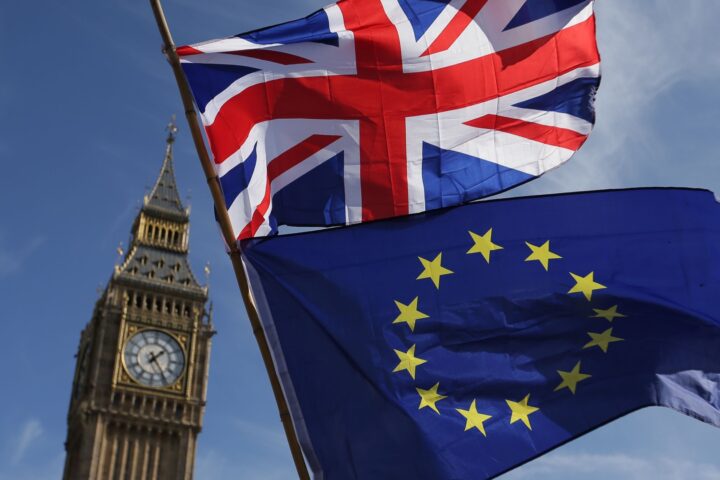
Andy Burnham is facing fresh pressure to scrap Labour’s Brexit ‘red lines’ after a major new poll found voters want Britain to develop closer ties with the European Union, reports BritPanorama.
The new prime minister has stated his intention to honour Sir Keir Starmer’s commitment to rule out rejoining the customs union and single market or allowing free movement of people. However, he also expressed a desire to be “bolder” than his predecessor in resetting relations with the bloc.
A poll conducted by think tank British Future revealed that 56 per cent of the public would support Burnham extending beyond Labour’s established red lines. An additional 10 per cent favoured a closer relationship that would not cross those boundaries, while 16 per cent preferred either maintaining the status quo or diverging further.
Amid preparations for a summit with EU leaders later this year, there is robust public support for Burnham to secure a historic agreement on a youth mobility scheme. Approximately 57 per cent of voters back a reciprocal programme for 18–30-year-olds, with only 12 per cent opposed.
Sunder Katwala, director of British Future, noted, “Andy Burnham has pragmatic permission from voters to seek closer ties with Europe and to strike a deal on youth mobility this autumn. There’s a real public appetite for practical cooperation – tempered with caution about free movement and the idea of another referendum.”
The think tank’s report, Britain and Europe: How close should we get?, also found that just 20 per cent believe Brexit has been a success and that there is a desire for improved trade links with the EU. Yet, Katwala cautioned against oversimplification: “The findings were not a simple story of a nation that wants to rejoin. The public has hard questions about trade-offs – on sovereignty, migration, and decision-making – that neither the government nor its opponents have yet answered.”
He added that politicians on both sides of the Brexit debate must move beyond the dynamics of the 2016 referendum to engage voters about future choices.
Burnham has faced calls from influential party figures to adopt a more flexible stance toward the EU, particularly regarding the potential for a youth mobility deal. In a July interview with The Independent, former Labour leader Neil Kinnock urged Burnham not to be limited by the party’s Brexit red lines, expressing optimism that the UK could enter a new phase of relations with the EU.
However, in August, the prime minister reaffirmed his commitment to the existing red lines, dampening hopes for a re-engagement with the bloc. Previously, as mayor of Greater Manchester, Burnham had indicated a desire for the UK to rejoin the EU.
No 10 has reiterated that the government remains “committed to the red lines set out in the manifesto. We’re not rejoining the European Union, and there will be no return to the customs union, the single market, or freedom of movement.”
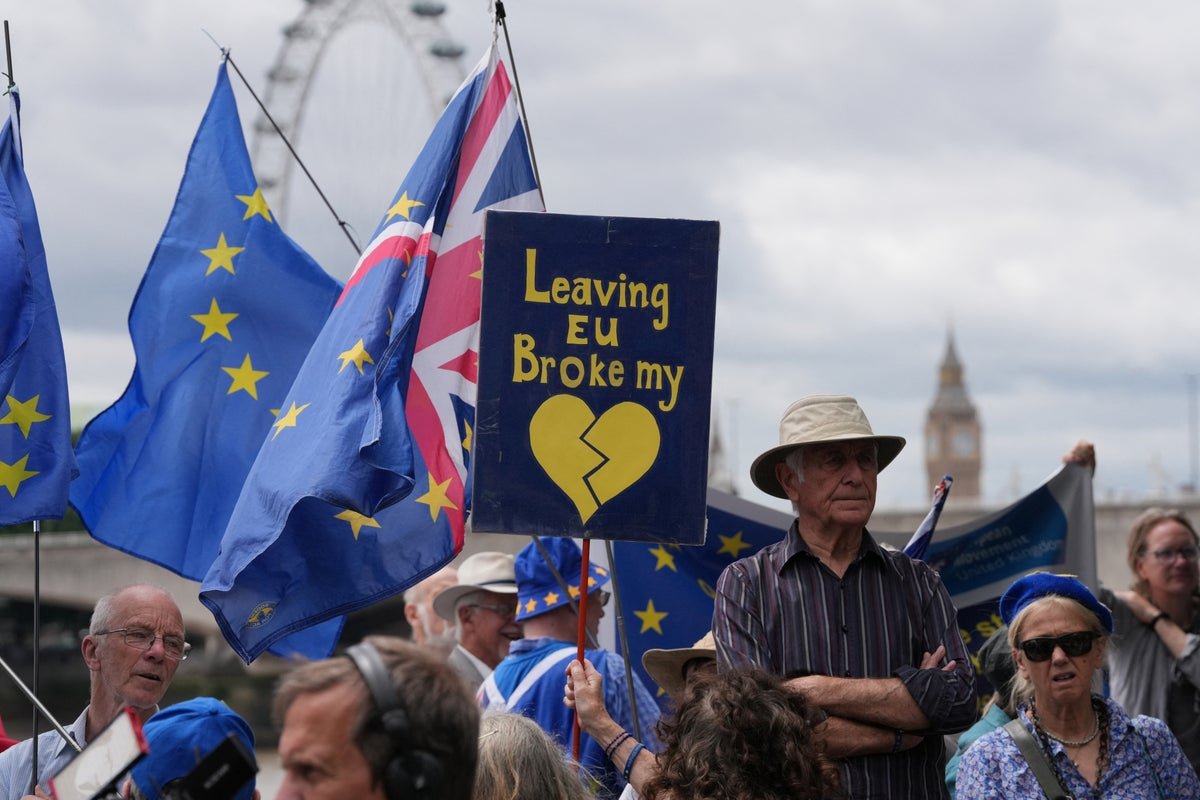
The poll revealed that 46 per cent of respondents would opt to rejoin the EU, while 29 per cent would prefer to remain outside, with the rest undecided. More than half, 57 per cent, now characterize Brexit as “more of a failure than a success.”
Labour MP Andrew Lewin remarked that the report confirms strong public backing for a youth mobility deal “and should embolden our government to move at pace in the negotiations this autumn.”
Jake Puddle, a co-author and Research Director at British Future, observed that while young voters are often assumed to lean towards rejoining, recent findings indicate they feel undecided and disengaged from the discussions that transpired in 2016. Nonetheless, the proposed youth mobility scheme has garnered popularity across all age groups, providing a channel for younger voices to engage in defining the UK-EU relationship.
Liberal Democrat Europe spokesperson Al Pinkerton commented on the need for action in the national interest, urging Burnham not to align too closely with his predecessor’s approach.
Tom Brufatto from Best for Britain emphasized that the Youth Mobility Scheme is vital for shaping future UK-EU relations. A government spokesperson concluded that efforts are underway to foster an ambitious relationship with the EU to benefit the economy broadly.
The poll surveyed 3,007 UK adults from June 2 to June 16, 2026.
As negotiations loom, the landscape of UK-EU relations continues to unfold with public sentiment increasingly advocating for closer ties.