Keir Starmer announces changes to inheritance tax policy for farmers
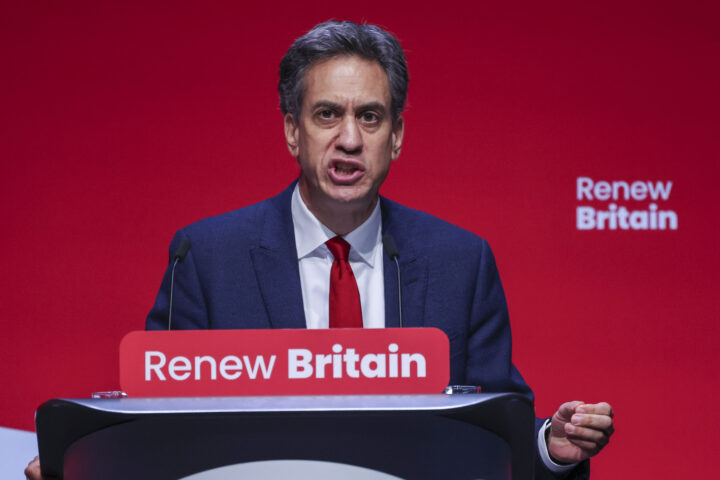
Sir Keir Starmer has announced a modification to the inheritance tax policy affecting farmers, increasing the threshold for the levy from £1 million to £2.5 million, reports BritPanorama.
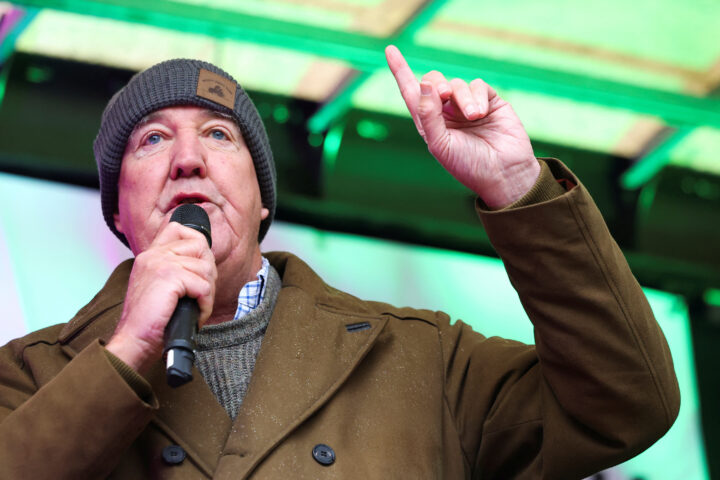
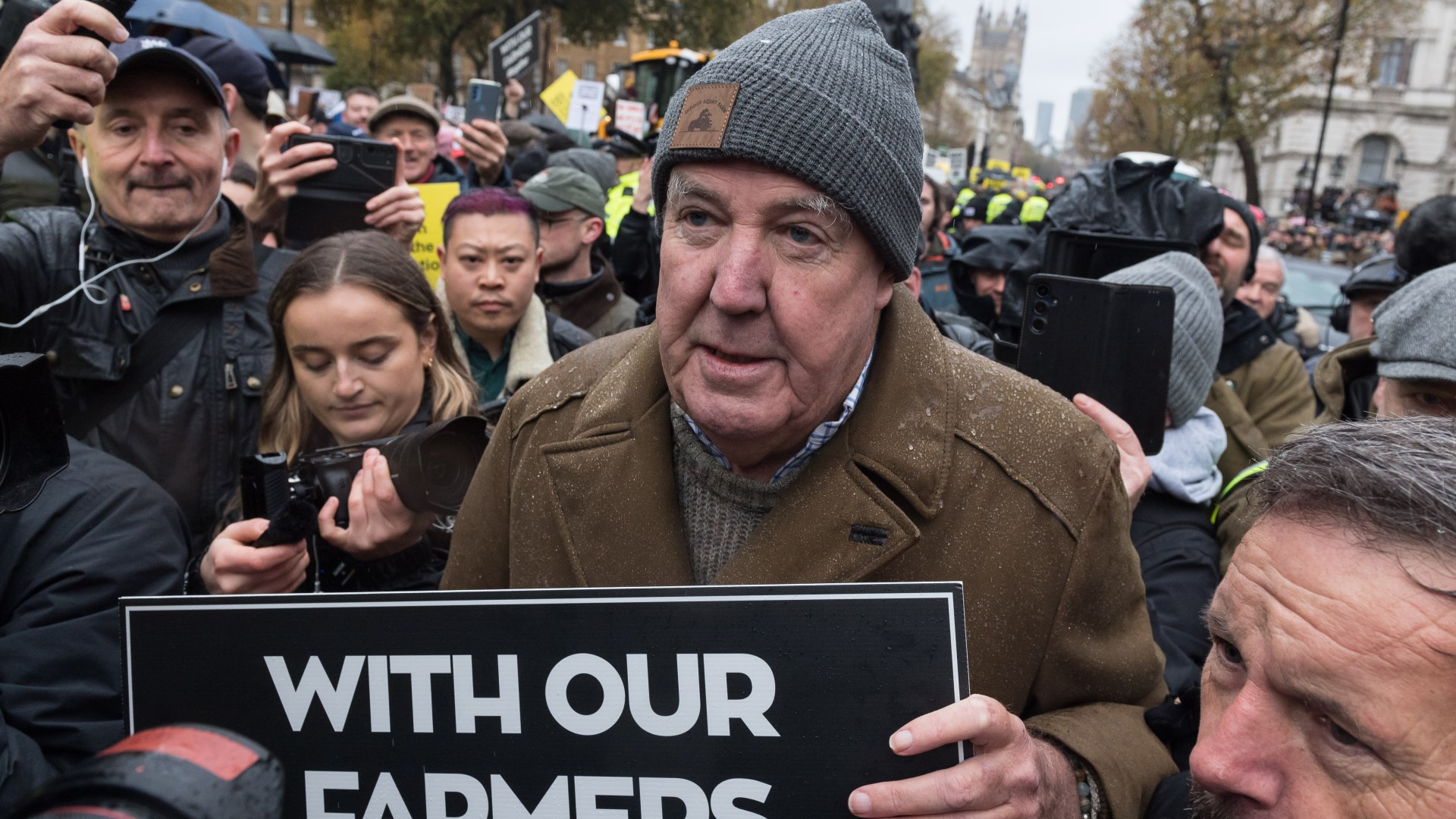
This adjustment permits spouses to transfer up to £5 million worth of agricultural assets before incurring inheritance tax. It follows a prolonged period of protests, lasting 14 months, led by prominent figures in the farming community, including television presenter Jeremy Clarkson.
The changes are expected to reduce the number of estates subject to the inheritance tax from 375 to 185, a significant decrease that reflects rising concerns among farmers about the previous policy’s implications. The decision, however, will cost the Treasury approximately £130 million.
Environment Secretary Emma Reynolds announced the policy change just ahead of Christmas, emphasizing the importance of farmers to the nation’s food security and environmental efforts. “We have listened closely to farmers across the country and we are making changes today to protect more ordinary family farms,” she stated.
The inheritance tax increase has faced backlash from Labour MPs representing rural areas since its introduction during last year’s Budget by Chancellor Rachel Reeves. Starmer has been urged to reconsider this policy for over a year, despite defending it until recently.
In response to this latest announcement, Shadow Environment Secretary Victoria Atkins remarked, “At long last, Labour has snuck out a partial U-turn on their vindictive Family Farm Tax,” but lamented that the delay has led to real harm, stating, “Businesses and lives have been lost.”
The Liberal Democrats have called for a complete removal of the tax. National Farmers’ Union President Tom Bradshaw welcomed the change, noting that while taxes would still apply, this decision would significantly alleviate the financial burden on many family farms, recognising the difficulties faced by rural communities.
The implications of this policy shift for the farming sector and the government’s relationship with rural constituencies will be closely monitored moving forward.