Calls for political donation cap amid Reform UK controversy
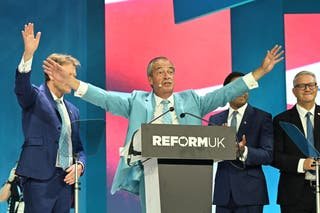
A Labour peer has urged the government to impose a cap on political donations – including from trade unions – amid concerns over Reform UK’s £72 million donation from crypto-billionaires, reports BritPanorama.
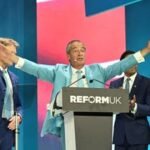
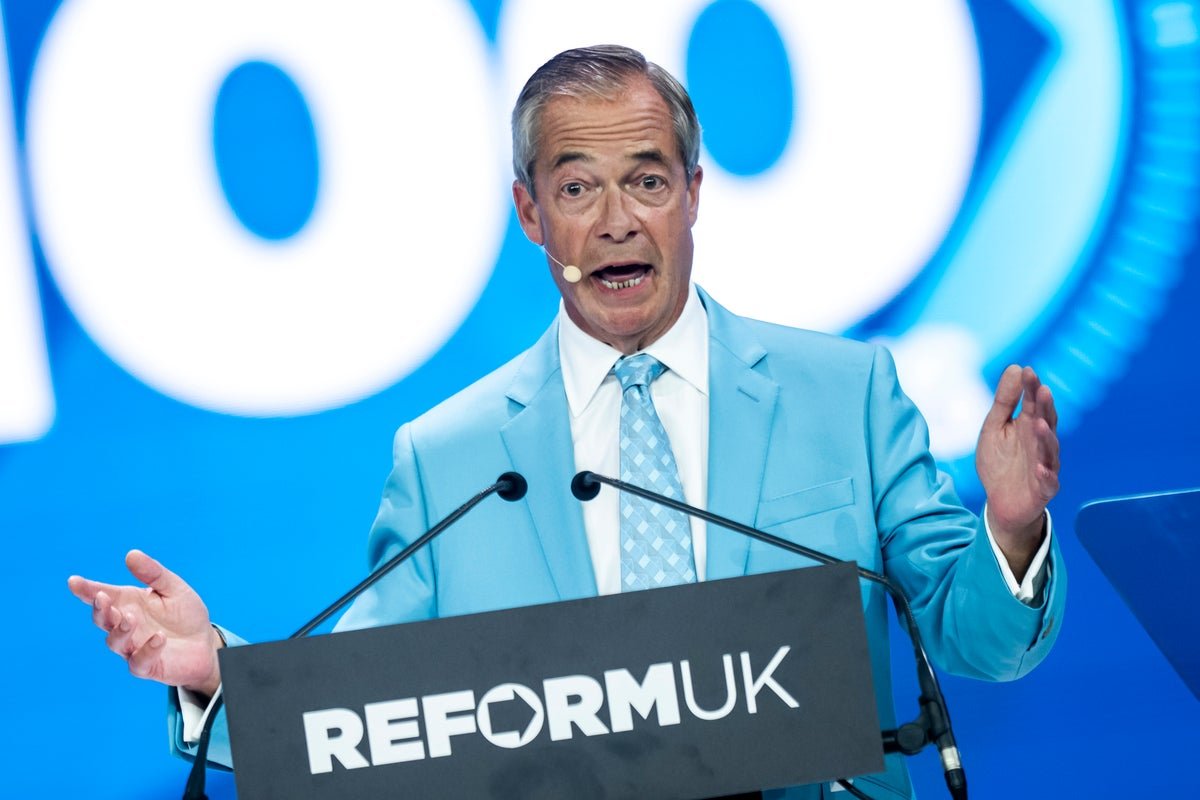
The government has promised to address limits on political donations after two crypto-billionaires disclosed contributions of £36 million each to Reform UK over the weekend. These donations represent three-quarters of the total money spent by all parties in the last general election, prompting calls from MPs and campaigners to limit political funding.
Labour peer and former home secretary Lord David Blunkett has called for a cap on political donations from wealthy individuals, labelling the sizeable contributions to Reform UK a “complete distortion of democracy”. He also advocated for restrictions on domestic donations, which could affect Labour’s own historical funding from trade unions.
“Obviously, we’ve been talking about overseas donations,” he told Times Radio. “I think there should be a cap on donations internally as well for domestic reasons.” He added that all donations should respect those who contribute modestly over the years, not just large sums from wealthy backers.
Union leaders have contested the proposal that trade unions should be included in any cap on donations from wealthy individuals. Sharon Graham, general secretary of Unite, is opposed to such measures, asserting that union donations are not comparable to the contributions made by crypto millionaires. Paul Nowak, general secretary of the Trades Union Congress (TUC), emphasized that trade union funding is among the “cleanest, most transparent money in British politics”.
Proposals for a cap are likely to feature prominently in the upcoming debates in the House of Lords regarding the government’s Representation of the People Bill. Currently, the Bill limits donations from overseas electors to £100,000 per year; however, attempts by MPs to impose a broader general cap have been unsuccessful, as the government has promised to investigate how such a measure might be implemented.
On Sunday, Deputy Labour leader Angela Rayner suggested a cap was still being considered, emphasizing a desire to prevent individuals from “overpowering and buying their way into democracy”. Reform UK has indicated that the donations will fund their preparations for governmental responsibilities, claiming they expect nothing in return.
Critics argue that the £72 million donations highlight the urgent need for a cap on political donations. Campaign group Spotlight on Corruption warned that this situation “creates risks that the game will be rigged in favour of those with the most cash”.
Questions persist regarding whether Reform UK will retain all of the £72 million, especially given Rayner’s suggestion that they could fall under the cap targeting overseas donors, made retroactively effective from March 25.
The proposed regulations limiting overseas donations were introduced in a review led by former civil servant Philip Rycroft, aiming to mitigate foreign influence in UK politics. These rules also apply to different scenarios for those moving back to the UK.
Robert Jenrick, the party’s economic spokesman, defended the legality of the donations on Sunday, asserting that they comply with existing laws and anticipated future regulations.
The discussion around political donations reveals significant tensions in the UK political landscape as legislators grapple with balancing funding sources and maintaining electoral integrity.