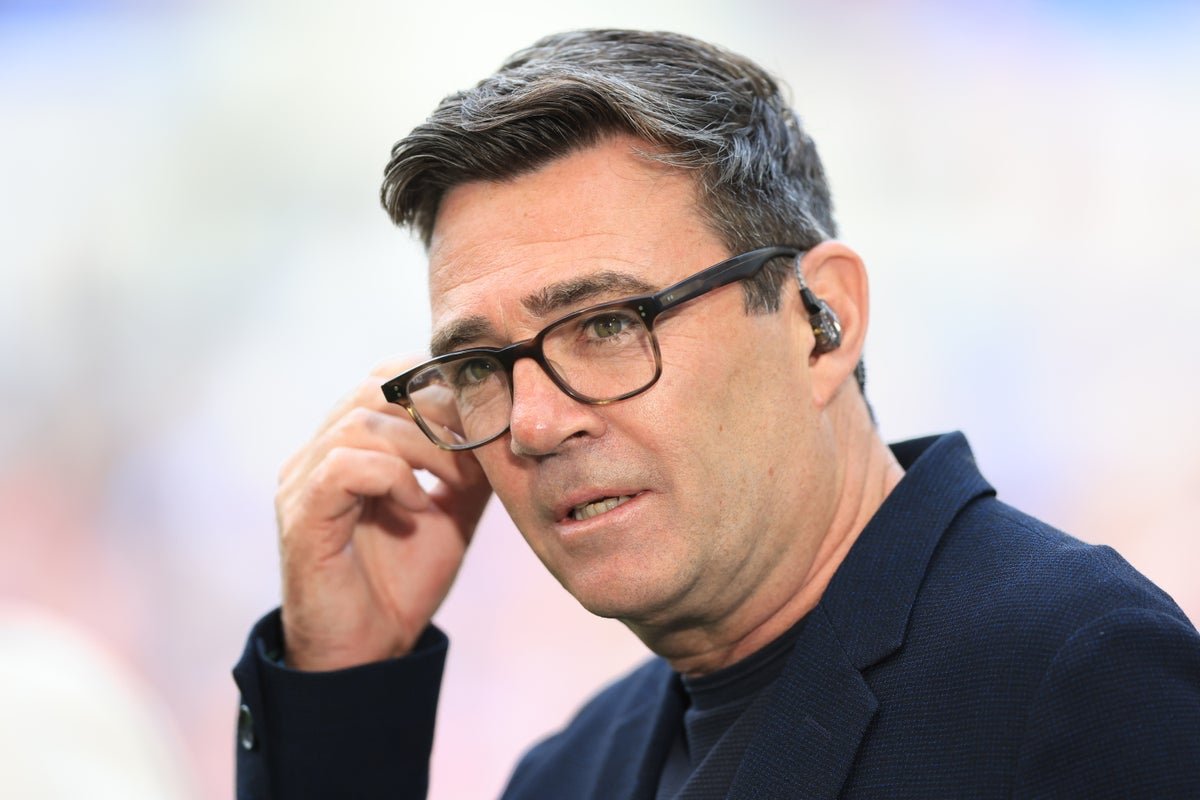
With less than a week until Sir Keir Starmer officially leaves No 10, Andy Burnham is effectively prime minister in all but name, reports BritPanorama.
The Makerfield MP is expected to take office on Monday, having secured the backing of over 300 Labour MPs. His pending tenure in No 10 has generated significant anticipation, as his ascent followed a smooth path stemming from his by-election triumph last month.
On the campaign trail and since returning to parliament, the prime-minister-in-waiting has articulated various policy intentions through a series of speeches. Key among his proposals is a seasoned push for devolution.
Devolution
Burnham, a longstanding advocate for devolution, has emphasized the need to transfer authority from Whitehall to local regions. In his first significant address following his return to parliament, he committed to spearheading a decade-long initiative aimed at empowering regions to manage essential services, infrastructure, and housing.
His signature initiative involves establishing a northern outpost of Downing Street in Manchester, termed ‘No 10 in the North’. This outpost is envisioned as a crucial location from which to implement priorities such as reindustrialisation and local regeneration. “This plan will represent the biggest rebalancing of power our country has seen,” Burnham remarked, aiming to ease the prevalent Whitehall reluctance towards substantial transformation.
Amid discussions surrounding taxation, Burnham indicated a willingness to explore adjustments within the Labour manifesto, mentioning “some room” for changing measures related to tax. He has signalled possible modifications to business rates, specifically proposing increases on large warehousing while providing relief for local shops and pubs.
He has also proposed a controversial “Amazon tax” as part of a broader reform of business rates aimed at revitalizing Britain’s struggling high streets while still adhering to Labour’s manifesto pledge of no increases in income tax, VAT, or national insurance contributions.
Growing support within the Labour Party for a wealth tax presents additional challenges. Recent polling indicates that 91 percent of party members advocate for increased taxation on the wealthy. One potential avenue for this could involve raising capital gains tax (CGT), suggested by some of Burnham’s allies, which could significantly adjust the current rates.
Burnham’s approach to reforming taxation may also extend to replacing existing frameworks like council tax and stamp duty with a land value tax, effectively taxing properties based on their market rental returns. In 2023, he endorsed the concept of a “national care levy” to replace inheritance tax, arguing that wealthier citizens would bear a proportional share of contributions.
Although Burnham has expressed a desire for the UK to eventually rejoin the EU, he has refrained from pushing for immediate re-entry, suggesting that a continual focus on rejoining could hinder progress. Notably, he has asserted a commitment to enhancing cooperation with Europe regarding defence and security issues, focusing on negotiations related to illegal migration and societal resilience to external threats.
Public ownership
Burnham envisions a governance model with three core objectives: reforming essential services, facilitating reindustrialisation, and regenerating communities. While he stops short of advocating complete nationalisation, he stresses the need for increased public control over essential utilities, including water, energy, and transportation.
On defence policy, he aims to reassure allies by maintaining commitments to NATO and strengthening the UK’s military capabilities. As he plans to modernize military equipment via the defence investment plan, he sees a potential for job creation and economic growth in regions that have faced economic decline.
However, Burnham will need to address a financial shortfall, with a £4.7 billion gap to reconcile, as his predecessor’s spending plan has left approximately £10.3 billion unfulfilled against a £15 billion commitment. The coming weeks will be critical as Burnham prepares to navigate this complex landscape, with eyes on balancing fiscal responsibilities against ambitious policy proposals.