Reopening of probe into firebomb attack linked to Ann Widdecombe’s death
The reopening of a probe into an alleged firebomb attack at Nigel Farage’s home is directly linked to Ann Widdecombe’s death, the Reform leader said, reports BritPanorama.
Mr Farage first discussed the attack at his Bromley home in Kent earlier this year. Counter-terrorism police have since referred themselves to the Independent Office of Police Conduct (IOPC) regarding the reported incident.
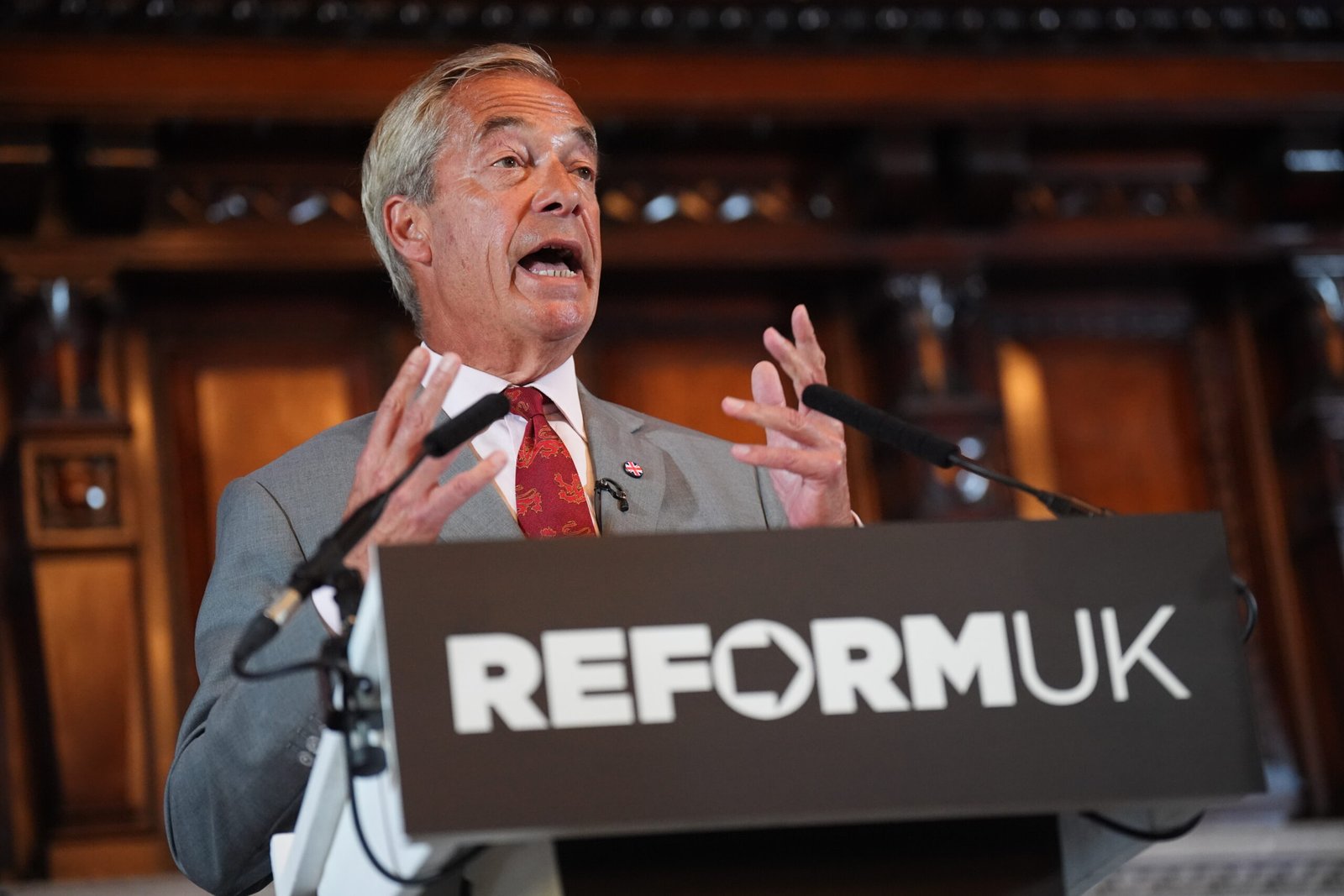
Speaking to reporters, Mr Farage stated, “Clearly, counter-terrorism made some mistakes, which is why they referred themselves to the IOPC.” He acknowledged that this development is unprecedented and emphasized its connection to the murder of Widdecombe, saying, “I’m afraid I just can’t tell you any more than that at this stage.”
He remarked on the broader implications, highlighting that it is a “tragedy” that it took Widdecombe’s death for security services to reassess the safety of Reform politicians and prominent figures. Mr Farage indicated that prior to this event, they had not received adequate attention from law enforcement.
Despite his criticism of the initial police response, he expressed renewed confidence in the counter-terrorism unit, asserting that they are now committed to fulfilling their responsibilities effectively. “I’m not going to say anything now to prejudice, because I do actually believe in my heart that counter-terrorism are now seriously doing this job and I have confidence in them,” he stated.
Mr Farage has described his horror at the police’s handling of the preliminary investigation into the firebomb attack. In April 2025, a “lit incendiary device” was reportedly pushed through his letterbox, initially classified by the police as an attempted burglary that was quickly closed without any arrests.
Following Widdecombe’s murder in Haytor last month, counter-terrorism investigators have reopened the inquiry into the April incident, acknowledging that they failed to pursue a significant line of inquiry at that time. Mr Farage revealed the police had now recognized this oversight.
Despite the referral to the IOPC, police have maintained that there is currently no indication linking the events surrounding Widdecombe’s murder to the alleged burglary at Farage’s residence, and no arrests related to that incident have been made. A source involved in the matter indicated that there had been a “very serious policing error,” justifying the self-referral by counter-terrorism.
Today, Mr Farage reiterated his confidence in the police following the renewed investigation, emphasizing the importance of accountability in law enforcement. “The fact they’ve done that shows you they’re not trying to cover up,” he asserted, reinforcing his belief in the integrity of the counter-terrorism unit.
This incident points to ongoing concerns regarding the safety of political figures in the UK, raising critical questions about the effectiveness of security measures for those in public life.
The events surrounding these investigations underscore the necessity for transparency and diligence within law enforcement, particularly as the political landscape in Britain continues to evolve. The interplay between political safety and state accountability remains a pertinent issue as investigations proceed.