Police oversight in firebombing incident involving Nigel Farage
The suspect who firebombed Nigel Farage’s property in April 2025 was captured on CCTV; however, police reportedly failed to notice this evidence, leading to significant oversight, reports BritPanorama.
The Metropolitan Police initially informed the Reform UK leader that the CCTV had not recorded the attack, despite this assertion later proving false. Following a review of the footage after a subsequent incident involving another political figure, it became clear that the attacker and their vehicle had been visible in the tapes for an extended period.
This oversight has sparked an investigation by a police watchdog, with Scotland Yard admitting their failure to protect the public. Counter-terrorism officials only recognized the error following the murder of Ann Widdecombe in July 2025, which heightened concerns about the security of politicians.
Authorities discovered the attacker had indeed been monitored on CCTV, contradicting previous claims. As a result, the officer responsible for the initial review is now under investigation by the Independent Office for Police Conduct (IOPC).
The IOPC is examining whether this officer met the required standards while assessing the crucial footage, raising questions about the implications of their lapse on public safety. To date, no arrests related to the attempted firebombing have been made.
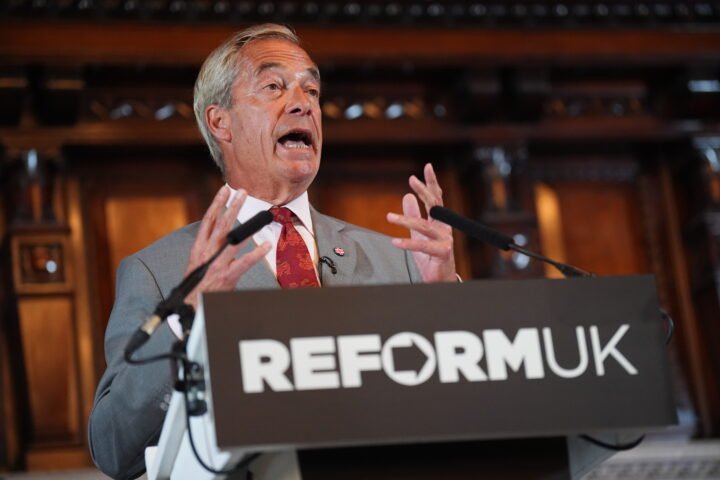
In response to the incident, Farage expressed disbelief that it took a tragic event for security services to take the threats faced by Reform UK politicians seriously. He indicated that prior to the murder of Widdecombe, their concerns had been inadequately addressed.
“It’s a great tragedy that it took the death of Ann for the security services in Britain to finally take seriously the safety and security of Reform politicians,” he said. The reaction underscores a broader need for enhanced security measures for political figures.
Farage noted that police had initially categorized the incident as an attempted burglary, closing the investigation without making any arrests. This classification has since been called into question following the revelation of the overlooked evidence.
In August 2025, police publicly acknowledged failing to pursue a key line of inquiry in their initial case review. A source connected to the investigation stated, “There has been a very serious policing error, which is why counter-terror police have referred themselves to the IOPC, which is unprecedented.”
As this situation unfolds, concerns regarding adequate protections for politicians have intensified. Richard Tice, deputy leader of Reform UK, emphasized that threats against them were not taken seriously until recently, urging a more vigilant approach moving forward.
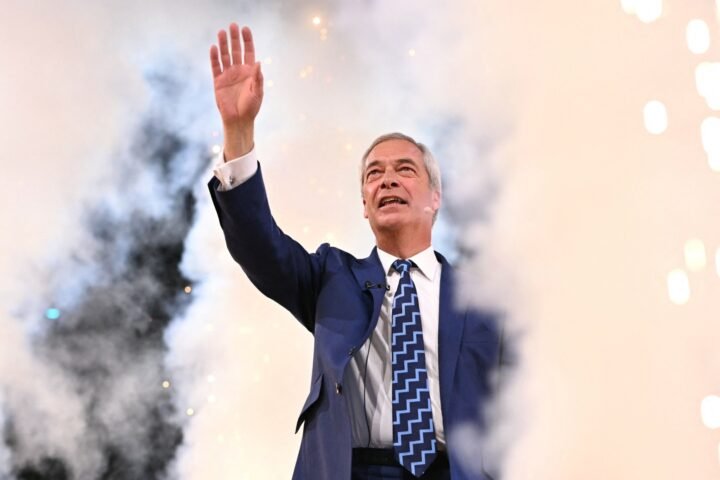
Amid these security concerns, Farage has received substantial financial support—£72 million in donations—from two wealthy supporters, which he states will be used to bolster the party’s infrastructure ahead of the upcoming general election.
This incident raises critical questions about the interplay of policing, political safety, and accountability within the UK’s security framework.
The case highlights the importance of rigorous oversight in police procedures, particularly concerning the safety of public figures. It reflects a growing awareness of the necessity for effective threat assessment as political violence becomes a more pressing concern in contemporary discourse.