Social media’s role in escalating unrest: lessons from the UK and France
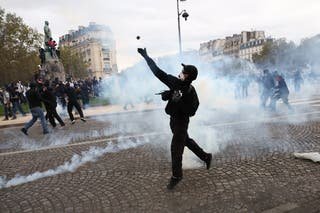
Violent riots erupted across France as peaceful protests escalated, leading to significant social unrest, with numerous incidents reported including looting and vandalism of public property, reports BritPanorama.
The unrest follows weeks of mounting tensions, with the violence first manifesting in urban areas before spreading to other regions. Shop owners have suffered losses as their businesses were vandalised during the turmoil. Initial peaceful demonstrations have deteriorated into chaos, raising concerns about public safety.
In response to the riots, French presidential candidate Gabriel Attal has called for a ban on social media, arguing that images of looting seen online can embolden potential offenders. This has reignited discussions about the impact of social networks on crowd behaviour and civil disorder.
The challenges surrounding the use of social media during unrest are not unique to France. In the UK, a similar situation arose during the Tottenham riots in 2011, when officials expressed a desire to restrict internet access to curb violence. Former senior government adviser Helen MacNamara noted that there were calls within the government to turn off social media platforms to reduce the communication channels used by rioters.
The 2011 riots, triggered by the police shooting of Mark Duggan, saw a rapid escalation from peaceful protests to widespread violence, resulting in five fatalities and over 3,000 arrests. The societal implications of unrest are profound, prompting concerns among UK officials about a potential recurrence of similar events.
MacNamara highlighted the need for a balanced approach when dealing with civil disorder, pointing out the difficulty in determining the appropriate level of governmental intervention. She emphasised that an overly aggressive response might inadvertently exacerbate public discontent.
As recent events in France demonstrate, the initial peaceful protests can easily spiral into violence if underlying grievances are not addressed. The situation remains precarious, raising questions about the effectiveness of government responses to public unrest.
The French government has implemented curfews in several cities to manage the situation, particularly aimed at underage participants. However, there is still a palpable tension, with fears that similar unrest could erupt in the UK without effective dialogue and engagement from authorities.
The narrative surrounding civil disorder and social media is complex, revealing a delicate balance between governance and public sentiment. Both the UK and France are now at a crossroads, facing the critical task of addressing citizens’ concerns while ensuring public safety remains a priority.
This ongoing dialogue about the role of digital platforms in civil unrest is likely to shape future policy decisions, as governments navigate the ever-evolving landscape of public communication and social movements.