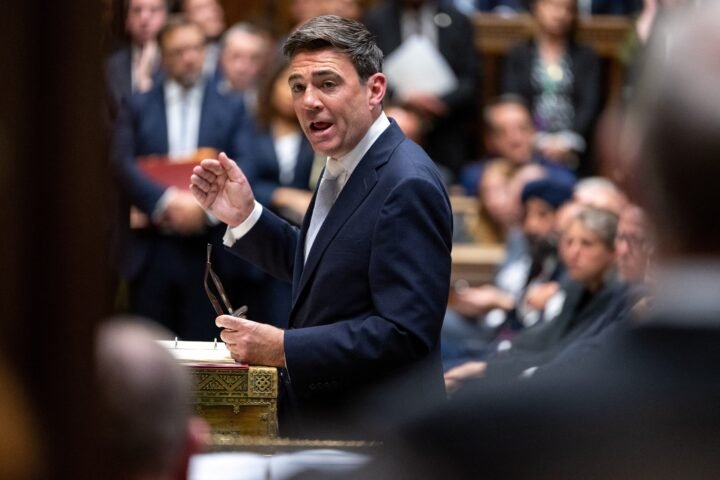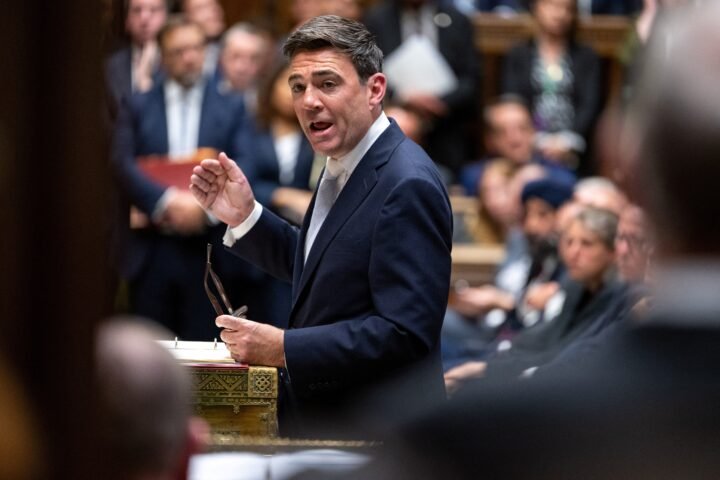
Burnham faces pressure to reduce pensions spending amid economic fallout
Andy Burnham has been urged to reduce spending on the pensions triple lock or welfare as the fallout from the Iran war continues to hit the economy, reports BritPanorama.
One of his former economic advisers, Jim O’Neill, stated that the new prime minister should rein in the “excesses” of government expenditure and tackle “sacred cows.”
O’Neill suggested that bond markets would respond favourably if Burnham were to take credible actions to manage the excesses of the triple lock or welfare spending. O’Neill, who advised the former Greater Manchester mayor on economic affairs as he prepared to enter Downing Street, emphasized that decisive measures were necessary for economic stability.
His warning coincides with UK government borrowing costs reaching their highest levels since the 2008 global financial crisis, exacerbated by ongoing global instability attributed to the Iran conflict. O’Neill noted, “If you have the markets carrying on doing what they’re doing globally… eventually they’re going to have absolutely no choice [but to cut spending] because the penalty of the debt servicing cost and the knock-on effect to other markets including mortgage rates will be too severe for a government to resist.”
The triple lock guarantees the state pension will rise by 2.5 percent, average earnings, or inflation—whichever is highest—and has faced criticism for being unaffordable and limiting the Treasury’s fiscal flexibility.
Before taking office, Burnham announced he would maintain the controversial pensions lock, stating the commitment in the manifesto was vital. Labour has pledged to keep the lock in its 2024 general election manifesto, while the Reform party has indicated it would also preserve it, albeit funded by significant cuts to benefits.
On Wednesday, Labour MP and former health minister under Keir Starmer, Zubir Ahmed, called for an “honest” and “grown-up” conversation about the pension triple lock as the party prepares for the next election. He suggested that “maybe the triple lock is quite a blunt instrument” that may require a more “sophisticated” approach to assist pensioners in need, although he reaffirmed that the lock was a manifesto commitment that Labour would adhere to throughout this parliament.
This discussion encapsulates the ongoing tension between economic pragmatism and electoral promises in UK politics as the nation grapples with fiscal challenges and public expectations.