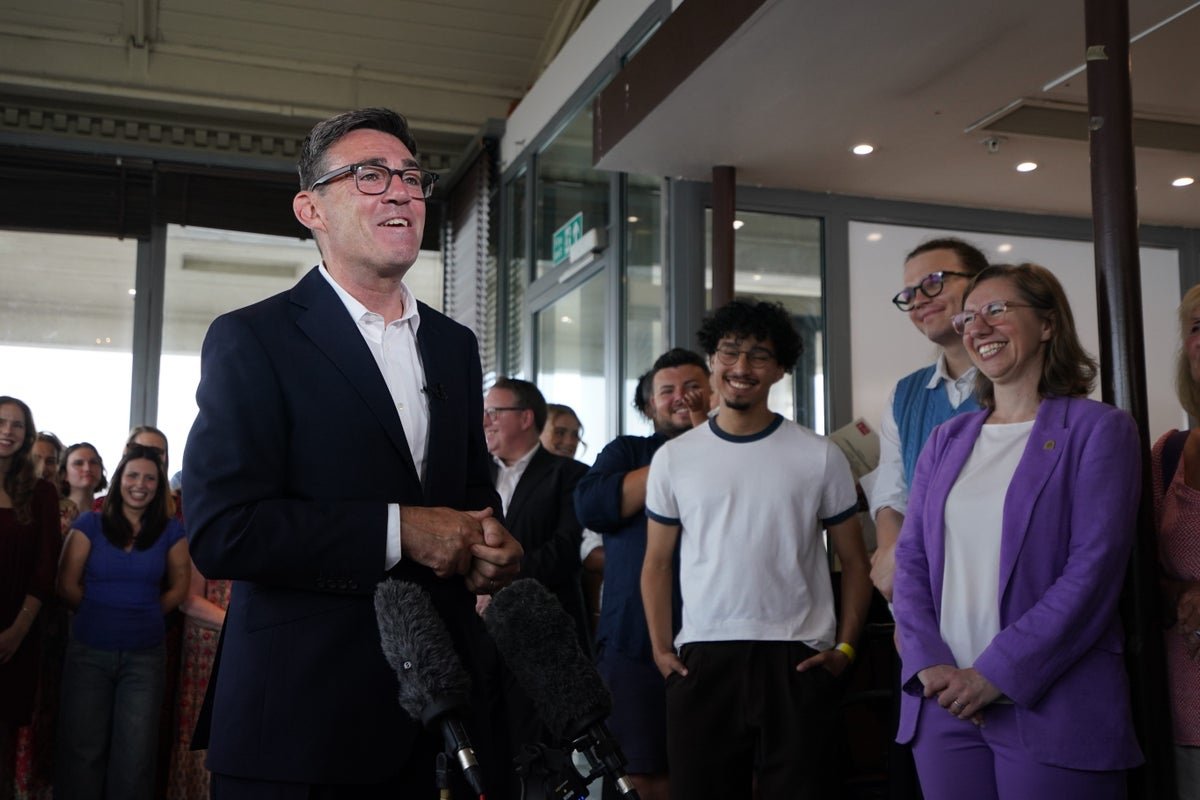
Incoming prime minister plans Thames Water administration
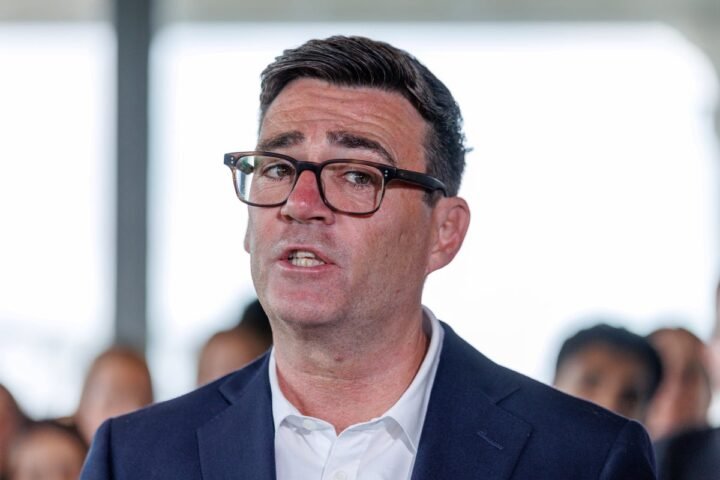
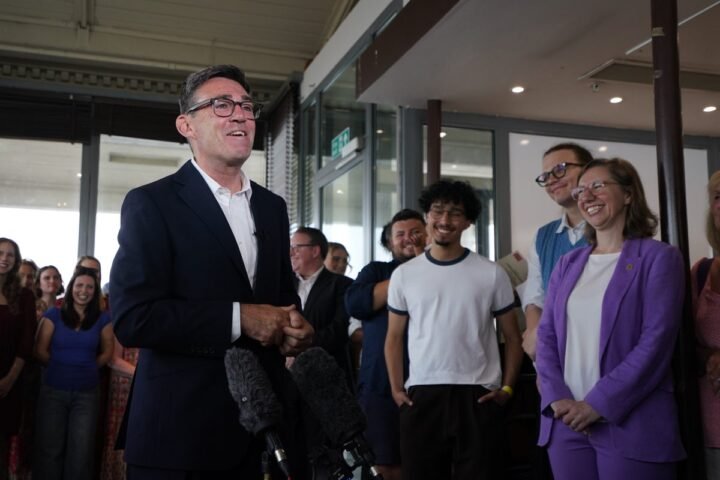
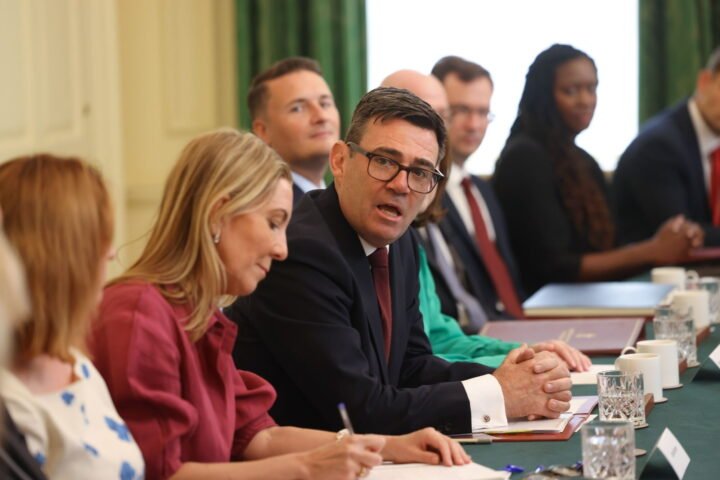
Incoming prime minister Andy Burnham is reportedly planning to put Thames Water into a special form of administration as he pledged to take greater “public control” of Britain’s utilities, reports BritPanorama.
Britain’s biggest water firm is on the brink of nationalisation, struggling under a £20 billion debt pile. The company faces being placed in a special administration regime (SAR) that would allow essential services to keep running until a buyer is found.
Thames Water has warned it will exhaust its funds by the end of 2026 if a deal is not reached with its creditors and the government. The Sunday Times reported that an emergency SAR is under consideration, a plan that could leave taxpayers responsible for the estimated £2 billion needed to maintain operations until the end of 2027.
Thames Water’s chief executive Chris Weston stated: “If they put us into a SAR, the government would have to fund us for the period of time that we were in the SAR.” Meanwhile, an ally of Mr Burnham emphasized that if taxpayer funds were needed, they should receive control in return, to secure water supplies for families and businesses.
Currently, no precedent exists for a water company entering an SAR, although energy supplier Bulb underwent a similar process in 2021 before its assets were sold to Octopus Energy, and was required to repay £3 billion as part of its financial recovery.
Weston has called for immediate clarity from Mr Burnham about his plans for the water sector, revealing that the company could deplete its cash reserves within months unless financial arrangements are established.
Mr Burnham, expected to be appointed prime minister on Monday, aims to implement a 10-year plan to renationalise the water industry, asserting a need for reforms prioritising public interest. His position casts doubt on the future of Thames Water.
Last month, he clarified intentions not to push for immediate full renationalisation, highlighting its complexity and potential costs, while suggesting a phased approach.
In previous comments, Mr Burnham described the water industry as “broken,” emphasizing that it operates under private interests while the public has no alternatives. He called for substantial reform, advocating for more public ownership and control over utilities.
Creditors are already attempting to secure a rescue deal for the utility following Environment Secretary Emma Reynolds’ warning that their £10 billion proposal for Thames Water lacked necessary protections for customers and the environment.
Ofwat was reportedly close to accepting an offer from a consortium proposing to inject £10 billion into Thames Water in exchange for a four-year waiver on fines for sewage leaks. Weston confirmed ongoing discussions about extending funding into 2027 to allow more time for negotiations, emphasizing the urgency of receiving government guidance.
Thames Water serves 16 million customers across London and the South East and recently reported a pre-tax profit of £226.4 million, a significant recovery from the previous year’s £1.65 billion loss. However, debts have risen to £19.77 billion from £17.73 billion as the company continues to draw down funds for capital investment.
A Thames Water spokesperson affirmed their commitment to work with all parties to secure an agreement ensuring the delivery of critical infrastructure upgrades while meeting customer needs. Burnham’s office has yet to provide further comment on the situation.