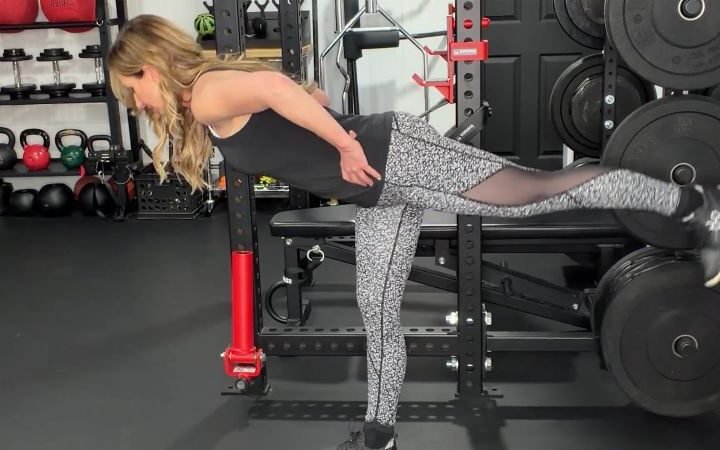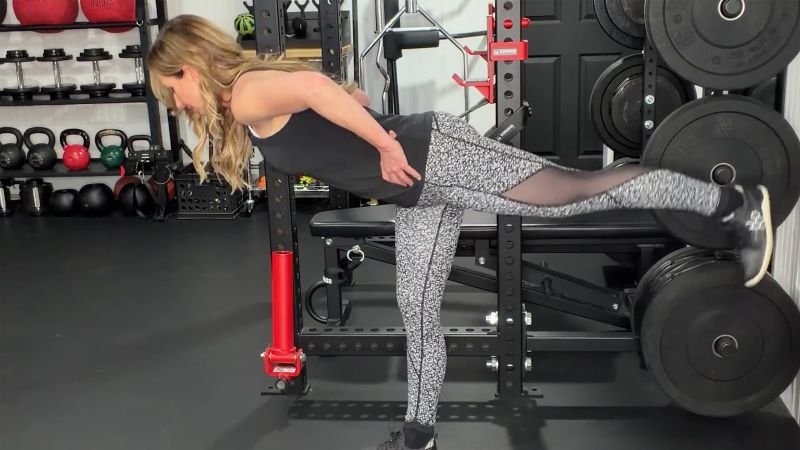
Warming up is often regarded as optional in various activities, but it plays a vital role in preparing one’s body for exercise or sports. A proper warm-up not only enhances performance but is also instrumental in injury prevention, reports BritPanorama.
Many individuals mistakenly prefer long-held static stretches before engaging in physical activity. Although static stretches can be effective for recovery, they are not suitable for warm-ups. Research indicates that static stretching may hinder performance, with evidence showing strength deficits following stretches lasting longer than 60 seconds.
In professional sports, mobility coaches typically avoid static stretches exceeding 30 seconds during warm-up routines. Instead, they opt for dynamic stretching and mobility exercises that actively engage muscles and promote joint stability, which better prepares athletes for their upcoming activities.
Important dos and don’ts of a proper warm-up
Misunderstandings abound regarding warm-up duration and effectiveness. A concise and effective warm-up can be completed in six to 16 minutes, depending on the activity and individual readiness. A well-structured warm-up should include various movements to increase heart rate and muscle temperature, enhancing overall performance.
Warm-ups can be customized using a four-part framework: breathe and roll, raise your temperature, mobilize and activate, and rehearse what comes next. Moving dynamically through exercises that engage all major muscle groups prepares the body effectively for the intended activity.
The 4-step formula
Before initiating any new exercise program, it is advisable to consult a healthcare professional. The warm-up consists of:
1. Breathe and roll (2 to 3 minutes)
Breathe deeply to establish proper mechanics and postural alignment while targeting areas of tension with a foam roller.
2. Raise your temperature (1 to 3 minutes)
Engage in easy, rhythmic movements that elevate heart rate, such as walking briskly or performing low-impact jumping jacks, to prepare the body for more intense activity.
3. Mobilize and activate (2 to 6 minutes)
Incorporate exercises that cover fundamental movement patterns and dynamic movements, ensuring the body is well-prepared for the demands of the upcoming activity.
4. Rehearse what comes next (1 to 5 minutes)
This final portion of the warm-up should mimic the activity to come, allowing for a smoother transition into intense physical exertion.
Personalize your warm-up to be efficient and effective
Warm-ups need not be uniform across all activities; they should be tailored to the specific demands of each workout. For strength training, longer rehearsal is necessary, while lighter, functional workouts require less preparation. Understanding the needs of your body and the specific activity will guide the customization of warm-up routines, making them both efficient and effective.
Ultimately, the proper warm-up enhances not only performance but also overall physical readiness, paving the way for a successful workout or competition. The evolving understanding of effective warm-ups reflects a growing recognition of their importance in fitness and sports.