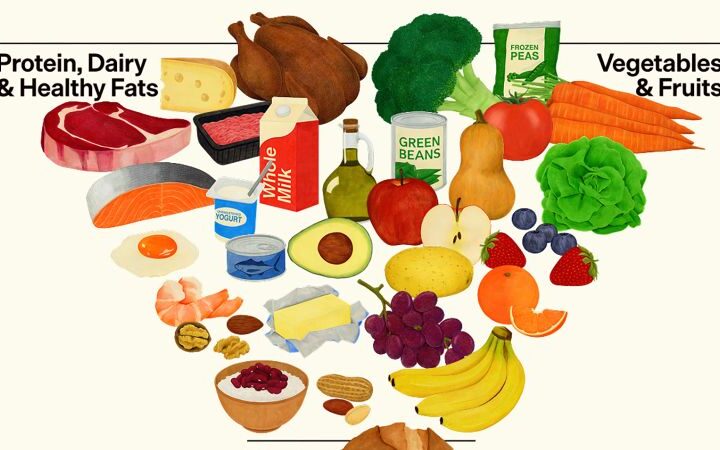
The updated Dietary Guidelines for Americans emphasize the importance of balanced nutrition, encouraging individuals to increase their daily intake of fruits, vegetables, and whole foods while reducing their consumption of ultraprocessed items. These guidelines also advocate for healthier cooking methods, such as baking chicken rather than frying, reports BritPanorama.
Released recently, the guidance retains significant elements from previous iterations while incorporating aspects of US Health and Human Services Secretary Robert F. Kennedy Jr.’s “Make America Healthy Again” initiative, which advocates for a diet rich in whole foods, healthy fats, and proteins while limiting added sugars and preservatives.
Experts have expressed mixed views regarding the new recommendations. Dr. Marion Nestle, Professor Emerita of Nutrition at New York University, noted positives that could significantly impact public health. However, she described some areas as “muddled, inconsistent, ideological, retro and hard to understand,” highlighting the need for clearer messaging regarding dietary choices.
Eat whole foods
The new guidelines suggest consumers enhance their diets with a variety of whole, fibrous, and colorful foods such as fruits, vegetables, grains, nuts, seeds, and legumes. Adopting these choices is set within a framework encouraging increased fiber consumption—a critical factor for maintaining a healthy microbiome, according to Nestle.
Additionally, the guidelines have reduced the recommended daily servings of fruits and vegetables from previous levels, raising concerns among nutritionists about the adequacy of fiber intake for health. The prior recommendation of 4.5 cups is now nearly halved, which has led Nestle to question the rationale behind this shift.
Consume less ultraprocessed food
Another notable aspect of the guidelines is the push to limit highly processed foods, which numerous studies link to various health complications including type 2 diabetes, obesity, and heart disease. Ultraprocessed foods are characterized by their high levels of added sugars, sodium, and saturated fats, along with ingredients typically not found in home kitchens.
Such additives, including preservatives and flavor enhancers, aim to enhance the appeal and shelf life of products, which consumers are advised to scrutinize closely when shopping.
Healthy fats and dairy intake
Recommendations also emphasize the inclusion of healthy fats in diets, including those derived from meats, omega-3-rich seafood, nuts, and seeds. While there is support for incorporating full-fat dairy into the diet, experts caution moderation is essential, especially in relation to the consumption of red meat, which the guidelines permit though recommend limiting.
In relation to protein, the new guidelines have increased the recommended daily intake, suggesting that the majority of Americans are already meeting or exceeding these requirements.
Sodium, sugar, and alcohol
The guidelines generally maintain previous recommendations regarding sodium, with a limit of 2,300 milligrams daily. Furthermore, experts continue to urge the reduction of added sugar intake, as excess sugar has no nutritional benefit beyond calories. Nestle highlighted the importance of minimizing added sugar to improve overall diet quality.
Although specific alcohol consumption limits are not detailed, the guidelines advocate for moderation, advising two drinks per day for men and one for women as a general recommendation.
As individuals adapt these recommendations according to their health needs, consulting healthcare professionals for personalized advice remains vital, especially for those considering significant dietary adjustments.
In navigating these evolving dietary guidelines, the balance of nutrition reflects constant changes in health research and public health strategies, highlighting the ongoing dialogue concerning what constitutes a healthy diet.